
Overview
Bachelor of Arts (BA) is a 3-year undergraduate degree that offers a broad education in the humanities, social sciences, and liberal arts. It is ideal for students interested in subjects like literature, psychology, history, political science, economics, sociology, and philosophy.
The BA program encourages critical thinking, communication skills, and a deeper understanding of society, culture, and human behavior. Students can choose from a wide range of specializations to align their academic interests with future career paths in education, civil services, media, writing, research, and public policy.
BA is one of the most flexible and widely recognized degrees in India and abroad. It not only opens doors to diverse career options but also prepares students for competitive exams like UPSC, SSC, and various state-level services.
Modern BA programs often include skill-based electives, internships, and interdisciplinary learning. Students can enhance their employability by pairing their core subjects with short-term certifications in digital marketing, foreign languages, journalism, or public speaking.
Whether your goal is to pursue teaching, public administration, social research, or creative fields, BA offers a strong academic foundation and multiple career directions.
Key Highlights
- Duration: 3 years (6 semesters)
- Eligibility: 10+2 (any stream)
- Average Fees: ₹5,000 – ₹80,000 per year
- Job Prospects: Teacher, Content Writer, Civil Services, Counselor, Journalist
- Higher Studies: MA, MBA, MSW, PG Diplomas
- Global Recognition: Widely accepted for postgraduate programs abroad
- Specializations: English, Psychology, History, Political Science, Economics, Sociology
Courses & Specializations
BA offers a diverse range of specializations across arts, humanities, and social sciences. Students can choose subjects that align with their interests in literature, history, psychology, economics, or public policy, providing both academic depth and career flexibility.
The BA curriculum focuses on critical thinking, research, communication, and interdisciplinary learning. Many universities offer elective choices, project-based assessments, and fieldwork to give students a comprehensive and practical learning experience.
Humanities
- BA in English Literature
- BA in History
- BA in Philosophy
- BA in Linguistics
- BA in Sanskrit
- BA in Foreign Languages
Social Sciences
- BA in Psychology
- BA in Sociology
- BA in Political Science
- BA in Economics
- BA in Anthropology
- BA in Geography
Communication & Media
- BA in Journalism
- BA in Mass Communication
- BA in Public Relations
- BA in Visual Communication
- BA in Digital Media
Policy & Development
- BA in Public Administration
- BA in International Relations
- BA in Development Studies
- BA in Social Work
- BA in Human Rights
Emerging Specializations
Several modern BA programs now include new-age interdisciplinary specializations that prepare students for global careers in policy, digital media, and cultural studies:
🌐 Global Studies
Explores international politics, diplomacy, and cross-cultural interactions in a globalized world.
🧠 Cognitive Science
Combines psychology, linguistics, AI, and philosophy to understand how the human mind works.
📺 Media & Cultural Studies
Analyzes mass media, pop culture, and their influence on society, identity, and behavior.
👩🎓 Gender & Diversity Studies
Focuses on gender theory, equality, intersectionality, and inclusive policy frameworks.
Subjects & Curriculum
The BA curriculum is structured to provide a strong foundation in liberal arts, humanities, and social sciences. It encourages critical thinking, analytical writing, and interdisciplinary exploration through a mix of core and elective subjects.
Across six semesters, students engage in classroom learning, research work, field projects, and seminars. The curriculum balances academic depth with practical exposure, preparing students for careers in education, media, civil services, public policy, and more.
Year 1 (Semesters 1–2)
Foundation & Core Concepts
- Introduction to Subject Major (e.g., Psychology, History, Economics)
- English Communication / Academic Writing
- Environmental Studies
- Indian Constitution / Human Rights
- General Elective – Language, Philosophy, Sociology
Year 2 (Semesters 3–4)
Subject Specialization & Skill Building
- Core Papers in Chosen Major
- Research Methods / Statistical Analysis
- Generic Elective – Interdisciplinary Subject
- Public Speaking / Critical Thinking Workshops
- Optional Fieldwork / Research Paper
Year 3 (Semesters 5–6)
Advanced Topics & Career Preparation
- Advanced Electives in Major
- Dissertation / Capstone Project
- Internship / Social Engagement Project
- Soft Skills & Career Readiness Training
- Optional Preparation for Civil Services / Competitive Exams
Assessment Methods
BA programs follow a holistic evaluation system to assess conceptual clarity, critical reasoning, and practical engagement:
Written Exams (50%)
End-semester theory exams testing subject knowledge and writing skills
Assignments & Essays (25%)
Research-based writing, comparative studies, and literature reviews
Presentations & Seminars (15%)
Oral presentations, group discussions, and peer-reviewed tasks
Projects / Internships (10%)
Fieldwork reports, social surveys, media projects, or thesis submission
Career Opportunities
A BA degree opens doors to a wide spectrum of careers across education, media, civil services, creative industries, and corporate sectors. The program cultivates communication, critical thinking, and analytical skills that are highly valued in today’s knowledge economy.
Students can pursue roles directly after graduation or opt for higher studies like MA, MBA, MSW, or preparation for competitive exams such as UPSC, SSC, or state services. With the right combination of specialization and skill-building, BA graduates enjoy diverse career possibilities.
Media & Communication
- Content Writer / Editor – ₹3–7 LPA (Agencies, media houses)
- Journalist / Reporter – ₹3–6 LPA (TV, print, digital)
- Social Media Executive – ₹3–6 LPA (Startups, brands)
- PR / Corporate Communications – ₹4–8 LPA (MNCs, PR firms)
Civil Services & Public Sector
- UPSC/State PSC Officer – ₹8–18 LPA (IAS, IPS, PCS)
- SSC / Bank Exams – ₹4–8 LPA (Government jobs)
- Indian Railways / Defense Exams – ₹5–10 LPA (Technical & admin posts)
- Teaching Assistant / UGC NET – ₹3–6 LPA (Colleges, universities)
Education & Research
- School Teacher – ₹3–6 LPA (After B.Ed)
- Research Associate – ₹4–7 LPA (Think tanks, NGOs, institutes)
- Academic Writer – ₹3–5 LPA (Publishing, online platforms)
Business & Consulting
- HR Executive / Recruiter – ₹3–6 LPA (Corporate & staffing firms)
- Market Research Analyst – ₹4–7 LPA (Analytics & consulting)
- Operations Executive – ₹3–5 LPA (FMCG, logistics, e-com)
Creative Industries
- Graphic Designer / Illustrator – ₹3–8 LPA (Studios, freelancing)
- Script Writer / Screenwriter – ₹4–10 LPA (TV, OTT, films)
- Photographer / Video Editor – ₹3–7 LPA (Media houses, brands)
- Performer / Theatre Artist – Variable (Live shows, festivals)
Development & NGOs
- Social Worker / NGO Executive – ₹3–6 LPA (CSR, development orgs)
- Program Coordinator – ₹4–7 LPA (UN, WHO, non-profits)
- Policy Analyst – ₹6–10 LPA (Research orgs, think tanks)
Freelancing & Entrepreneurship
- Freelance Writer / Designer – ₹3–10 LPA+ (Clients, platforms)
- Online Educator / Coach – ₹3–12 LPA (YouTube, course portals)
- Startup Founder (Creative/EdTech) – Variable (Independent venture)
Admission Process
The admission process for BA programs varies across universities, with most institutions offering admission through merit lists based on 12th marks. Some central and state universities may conduct entrance exams for specific honors programs.
Admissions usually begin in April and continue through July, with the academic session commencing between July and September. Candidates should stay updated with the official notifications of their chosen institutions.
Eligibility Criteria
Candidates must meet the following requirements to apply:
- Educational Qualification: 10+2 or equivalent from a recognized board
- Stream: Open to Arts, Commerce, and Science students (depending on specialization)
- Minimum Marks: 40%–50% aggregate (may vary by college and category)
- Age Limit: No upper age limit in most institutions
- Language Requirement: English or regional language proficiency (as per course medium)
Types of Admission
Merit-Based Admission
Based on 12th marks; applicable to most universities including DU, BHU, and state colleges.
Entrance Exam Based
Required for select honors programs in universities like JNU, BHU, CUET-based central universities.
Direct Admission
Private colleges may offer direct admission based on availability and basic eligibility.
Application Process
Step-by-step process:
- Check Eligibility: Confirm subject and marks criteria
- Apply Online: Register on the official university/college portals
- Pay Fees: Complete application fee payment
- Upload Documents: Upload required academic and identity documents
- Entrance Test: Appear if applicable (e.g., CUET, BHU UET)
- Merit List/Counseling: Participate in allotment based on scores
- Seat Confirmation: Accept offer and download allotment/admission letter
- Document Verification: Submit original certificates at reporting college
- Final Payment: Pay admission/semester fees to confirm seat
Required Documents
- 10th & 12th Mark Sheets
- Transfer & Character Certificate
- Passport-size Photographs
- Category Certificate (if applicable)
- Government-issued ID (Aadhar, PAN, etc.)
- Domicile/Income Certificate (if required)
- Entrance Scorecard (if applicable)
Important Dates & Timeline
April - May
Application forms released & registration begins
June - July
Entrance exams (if any), merit lists, results declared
July - August
Admission confirmation, fee payment & document verification
August - September
Session starts, orientation & classes commence
Fee Structure
The fee structure for BA programs varies depending on the type of college—whether government, private, or autonomous. Government colleges tend to be highly affordable, while private and deemed universities may have higher tuition and associated costs.
Alongside tuition, students should consider expenses for hostel accommodation, books, extracurricular activities, and personal needs. Scholarships and government schemes are widely available for BA students from various socio-economic backgrounds.
| College Type | Average Annual Fees | Total Course Fee | Additional Costs |
|---|---|---|---|
| Government Colleges | ₹2,000 - ₹15,000 | ₹6,000 - ₹45,000 | ₹10,000 - ₹25,000 |
| Private Colleges | ₹20,000 - ₹1,20,000 | ₹60,000 - ₹3,60,000 | ₹20,000 - ₹50,000 |
| Deemed Universities | ₹30,000 - ₹1,50,000 | ₹90,000 - ₹4,50,000 | ₹30,000 - ₹70,000 |
| International Universities | ₹3,00,000 - ₹10,00,000 | ₹9,00,000 - ₹30,00,000 | ₹2,00,000 - ₹5,00,000 |
Detailed Cost Breakdown
Academic Expenses
- Tuition Fees: ₹2,000 - ₹1,50,000 per year
- Library & Resources: ₹1,000 - ₹5,000 per year
- Exam & Registration: ₹1,000 - ₹6,000 per year
- Books & Study Material: ₹3,000 - ₹12,000 per year
- Lab Fees (for practical subjects): ₹1,000 - ₹5,000 (if applicable)
Living Expenses
- Hostel/PG: ₹20,000 - ₹1,00,000 per year
- Mess/Food: ₹20,000 - ₹50,000 per year
- Internet & Devices: ₹5,000 - ₹15,000 per year
- Personal Expenses: ₹10,000 - ₹25,000 per year
Financial Aid Options
- Merit Scholarships: 50% - 100% tuition waiver
- Government Schemes: Up to ₹25,000 per year for eligible categories
- NGO/Trust Scholarships: Based on merit and need
- Education Loans: ₹30,000 – ₹5,00,000 from public/private banks
Miscellaneous Costs
- Workshops & Seminars: ₹1,000 - ₹5,000 per year
- Extracurricular Activities: ₹2,000 - ₹8,000 per year
- Field Work & Research Projects: ₹2,000 - ₹10,000 (for certain honors courses)
- Study Tours & Trips: ₹3,000 - ₹10,000 per year
Note: The mentioned fees are indicative and subject to change based on institution, specialization, and location. Students are advised to verify fee details from official college sources before applying.
Course Comparison
Choosing the right undergraduate course is crucial to shaping your academic and professional future. Below is a comparison of the BA program with other major undergraduate degrees to help you decide based on your interests, strengths, and career plans.
| Course | Duration | Focus Area | Career Scope | Average Salary | Higher Studies |
|---|---|---|---|---|---|
| BA | 3 years | Humanities, Social Sciences, Languages | Civil Services, Media, Teaching, Research | ₹2–8 LPA | MA, MBA, MSW, UPSC |
| BBA | 3 years | Business & Management | Marketing, HR, Finance, Startups | ₹3–10 LPA | MBA, PGDM |
| B.Com | 3 years | Commerce, Accounting, Finance | Banking, Auditing, CA/CS | ₹2–8 LPA | M.Com, MBA, CA |
| B.Sc | 3 years | Pure Sciences (Math, Physics, etc.) | Research, Labs, Education, Govt. Exams | ₹3–9 LPA | M.Sc, Ph.D, UPSC |
| BCA | 3 years | Computer Applications & Programming | Software, Web, Tech Support | ₹3–12 LPA | MCA, MBA |
| BFA | 3–4 years | Fine Arts, Visual & Performing Arts | Design, Film, Animation, Art Direction | ₹2–10 LPA | MFA, MA (Fine Arts), Animation PG |
Course Analysis
BA vs BBA
Choose BA if: You're passionate about subjects like History, Sociology, Political Science, or Literature and may want to enter civil services, teaching, or journalism.
Choose BBA if: You’re interested in business operations, marketing, or starting your own enterprise.
BA vs B.Com
Choose BA if: You're inclined toward liberal arts and theoretical disciplines with career goals in education, media, or research.
Choose B.Com if: You're good with numbers and aiming for a future in banking, commerce, or chartered accountancy.
BA vs B.Sc
Choose BA if: You enjoy analysis, critical thinking, social theory, or literature-based disciplines.
Choose B.Sc if: You're focused on natural sciences, lab research, and technical problem-solving.
BA vs BCA
Choose BA if: Your strengths lie in communication, critical writing, and understanding human society or culture.
Choose BCA if: You prefer hands-on coding, software, and want to build a career in the IT sector.
Popular Colleges
India is home to several prestigious institutions offering Bachelor of Arts (BA) programs across diverse disciplines such as History, Political Science, Psychology, Economics, Literature, and more. These colleges are known for academic excellence, vibrant campus life, and holistic development opportunities.
Lady Shri Ram College for Women (LSR)
Location: New Delhi | NIRF Ranking: 9 (2023)
Fee Range: ₹20,000 - ₹25,000 per year
Specializations: English, Psychology, Economics, Political Science
Notable Features: DU-affiliated, top placement records, reputed alumni
St. Xavier’s College
Location: Mumbai, Maharashtra | NIRF Ranking: 90 (2023)
Fee Range: ₹25,000 - ₹35,000 per year
Specializations: Sociology, Mass Media, Psychology, English
Notable Features: Heritage college, strong faculty, extracurricular excellence
Loyola College
Location: Chennai, Tamil Nadu | NIRF Ranking: 7 (2023)
Fee Range: ₹20,000 - ₹30,000 per year
Specializations: Economics, English, History, Sociology
Notable Features: Legacy institution, cultural diversity, value-based education
Miranda House
Location: New Delhi | NIRF Ranking: 1 (2023)
Fee Range: ₹18,000 - ₹24,000 per year
Specializations: Philosophy, History, Geography, English
Notable Features: DU topper, high NIRF rank, women-centric education
Presidency University
Location: Kolkata, West Bengal | NIRF Ranking: 151-200 (2023)
Fee Range: ₹10,000 - ₹20,000 per year
Specializations: History, Political Science, English, Sociology
Notable Features: Public university, research-driven, reputed professors
Fergusson College
Location: Pune, Maharashtra | NIRF Ranking: 101-150 (2023)
Fee Range: ₹15,000 - ₹30,000 per year
Specializations: Political Science, Philosophy, Psychology, Literature
Notable Features: Autonomous status, modern facilities, liberal environment
Christ University
Location: Bangalore, Karnataka | NIRF Ranking: 13 (2023)
Fee Range: ₹80,000 - ₹1,50,000 per year
Specializations: Journalism, English, Economics, Performing Arts
Notable Features: Professional grooming, modern pedagogy, excellent campus
Banaras Hindu University (BHU)
Location: Varanasi, Uttar Pradesh | NIRF Ranking: 11 (2023)
Fee Range: ₹5,000 - ₹15,000 per year
Specializations: Sanskrit, Hindi, History, Music, Philosophy
Notable Features: Central university, cultural richness, strong alumni network
State-wise Top Colleges
North India
- Miranda House (Delhi)
- Lady Shri Ram College (Delhi)
- Banaras Hindu University (Varanasi)
- Panjab University (Chandigarh)
West India
- St. Xavier’s College (Mumbai)
- Fergusson College (Pune)
- MS University (Baroda)
- Rajasthan University (Jaipur)
East India
- Presidency University (Kolkata)
- Ravenshaw University (Cuttack)
- Patna University (Patna)
- St. Xavier’s College (Ranchi)
South India
- Christ University (Bangalore)
- Loyola College (Chennai)
- Osmania University (Hyderabad)
- St. Joseph’s College (Bangalore)
Central India
- Barkatullah University (Bhopal)
- Rani Durgavati University (Jabalpur)
- Jiwaji University (Gwalior)
- Dr. Harisingh Gour University (Sagar)
North-East India
- Tezpur University (Assam)
- Mizoram University (Aizawl)
- NEHU (Shillong)
- Tripura University (Agartala)
Top Entrance Exams
Admission to BA programs in India is typically merit-based, but several top universities and institutions conduct entrance exams to select candidates based on aptitude, general knowledge, language proficiency, and subject-specific skills. Preparing strategically helps students secure seats in reputed institutions.
CUET (Common University Entrance Test)
Purpose: Admission to BA programs in central, state, and private universities
Exam Date: May-June | Application: February-April
Subjects: General Test, Language Test (English/Hindi), Domain-specific subjects (History, Pol. Science, Economics, etc.)
Participating Universities: Delhi University, BHU, JNU, Allahabad University, 200+ others
IPU CET (Indraprastha University Common Entrance Test)
Purpose: Admission to BA courses in journalism, English, economics, and more at GGSIPU
Exam Date: April-May | Application: March
Subjects: English, General Awareness, Logical Reasoning
Colleges: Vivekananda Institute of Professional Studies (VIPS), Maharaja Agrasen College
Christ University Entrance Test
Purpose: Admission to BA programs (Psychology, English, Economics, Media) at Christ University
Exam Date: April-May | Application: January-March
Subjects: English, Reasoning, GK, Media Awareness (for Journalism)
Mode: Online Test + Interview + Micro Presentation
SET (Symbiosis Entrance Test)
Purpose: Admission to BA Liberal Arts and BA Mass Communication at Symbiosis School
Exam Date: May | Application: February-April
Subjects: Reading Comprehension, General Awareness, Reasoning, English
Location: Pune, Maharashtra
TISS BAT (Tata Institute of Social Sciences – Bachelor’s Admission Test)
Purpose: Admission to BA Social Sciences & Social Work programs at TISS campuses
Exam Date: Typically May | Application: March-April
Subjects: Reading Comprehension, Social Awareness, Logical Reasoning
Campuses: Tuljapur, Hyderabad, Guwahati
Ashoka University Admission Test
Purpose: Admission to interdisciplinary BA (Hons) Liberal Arts programs
Exam Date: Multiple rounds | Application: Rolling basis
Mode: Aptitude Test + On-the-spot essay + Interview
Specializations: English, History, Political Science, Psychology, Economics
State-Level Entrance Exams
Odisha CPET
Used for admission to BA and other UG programs across government colleges in Odisha
Subjects: Subject-specific questions (based on 12th syllabus)
Punjab University CET
Entrance exam for BA (Hons) programs at Panjab University and its affiliated colleges
Presidency University Entrance Test (PUBDET)
Conducted by WBJEEB for BA programs in Presidency University, Kolkata
Maharashtra CET (Optional)
Some autonomous colleges conduct internal entrance tests for BA (Mass Comm, Economics, etc.)
Preparation Tips
Study Strategy
- Focus on reading comprehension, grammar, and vocabulary
- Build strong GK and awareness of current and social issues
- Practice writing essays and solving previous year question papers
- For subject-specific tests, revise NCERTs of History, Polity, Economics, etc.
Time Management
- Make a schedule dividing time between GK, language, and subject preparation
- Use digital flashcards and weekly quizzes for revision
- Take mock tests to simulate real exam environment
- Balance preparation with school board exam studies
Featured Colleges
These institutions are renowned for their BA programs in India, offering academic excellence in humanities, social sciences, and liberal arts along with dynamic learning environments, experienced faculty, and career readiness initiatives.

University of Delhi (DU)
Top public university offering a wide range of BA specializations across prestigious colleges.
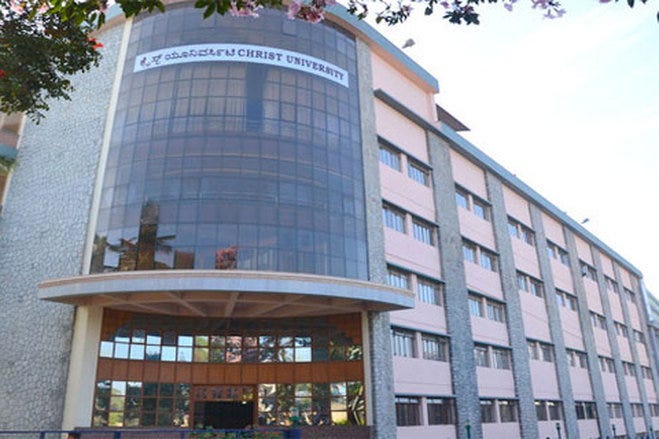
Christ University, Bangalore
Known for its BA programs in Psychology, Economics, English, and Sociology with global exposure.
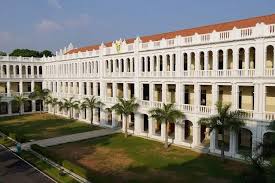
Loyola College, Chennai
Autonomous institution offering diverse BA programs with excellent faculty and academic strength.
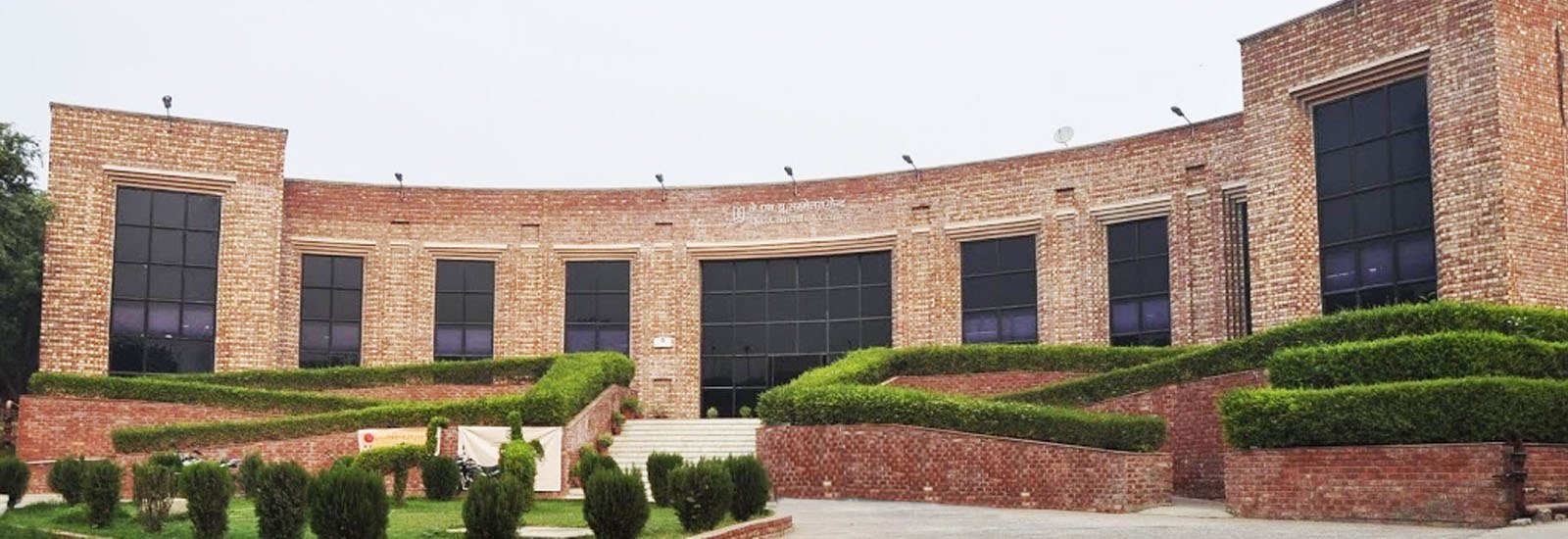
Jawaharlal Nehru University (JNU), Delhi
Premier institution for BA (Hons) in languages, international studies, political science, and economics.
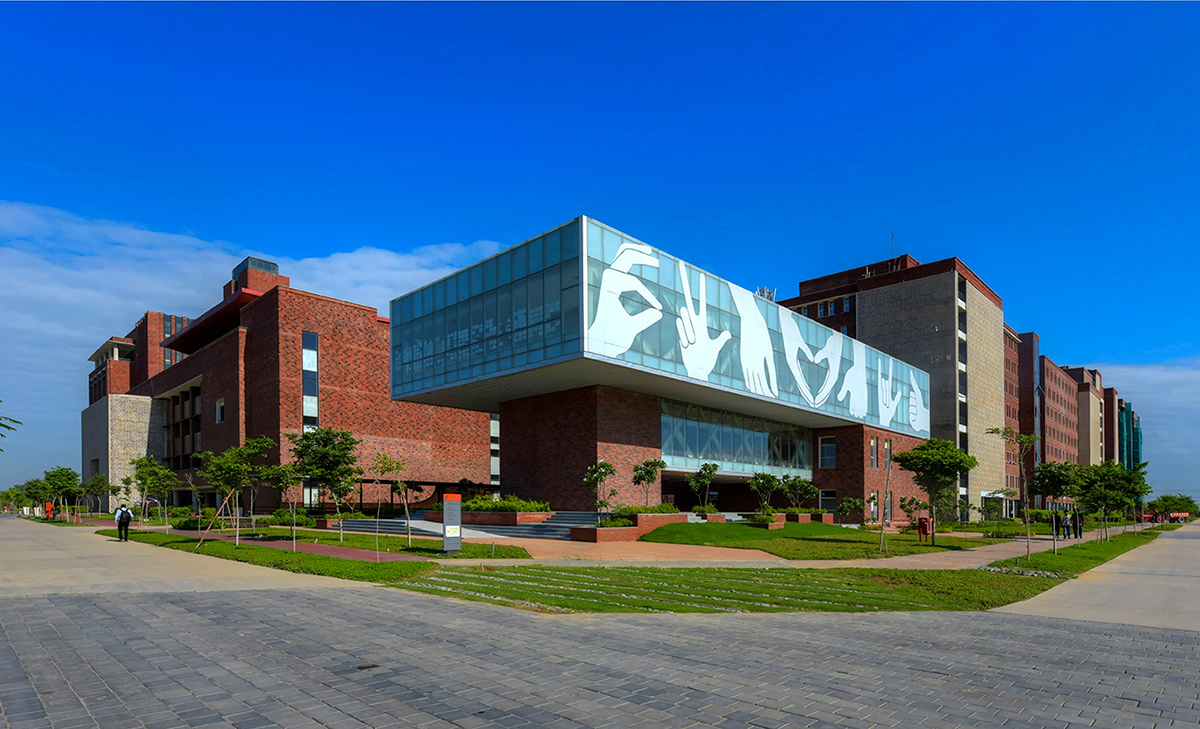
Ashoka University, Haryana
India’s leading liberal arts university offering interdisciplinary BA programs with global faculty.
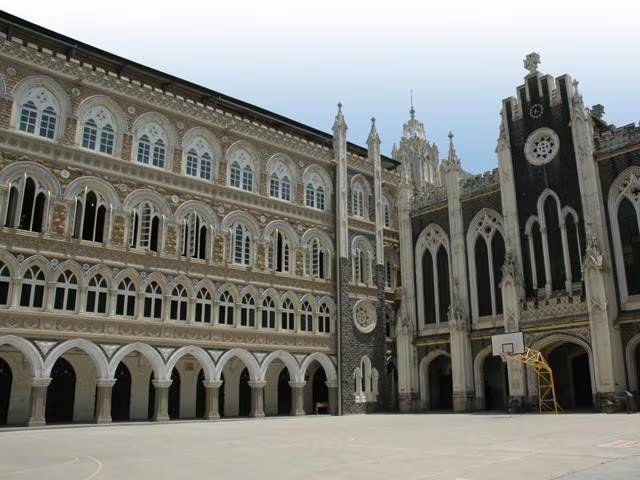
St. Xavier’s College, Mumbai
Reputed autonomous college offering BA in Psychology, Sociology, History, and Mass Media.
Selection Criteria for Featured Colleges
Academic Reputation
Faculty credentials, course diversity, research output, and curriculum innovation
Placement Support
Internship opportunities, career cell performance, and alumni network
Campus Infrastructure
Libraries, student centers, digital classrooms, and extracurricular spaces
Holistic Education
Focus on communication, critical thinking, ethics, and interdisciplinary learning
Global Exposure
Exchange programs, international collaborations, and multilingual training
Affordability & Scholarships
Need-based aid, merit scholarships, and financial inclusivity
Frequently Asked Questions
Here are detailed answers to common questions about the BA program, including career options, subject choices, higher education opportunities, and the value of a liberal arts education.
What is the scope of a BA degree?
BA is a versatile undergraduate degree focusing on humanities, social sciences, and liberal arts. Graduates can pursue careers in education, civil services, content, media, law, research, and more.
Popular Fields:
- Public Administration, Policy Research
- Journalism, Mass Communication
- Teaching, Academic Research
- NGOs, Development Sector
- Corporate HR, Marketing, Content
Which subjects can I choose in BA?
BA programs offer a wide range of subject combinations. Popular subjects include:
- Psychology, Sociology, Political Science
- History, Geography, Economics
- English, Hindi, Regional Languages
- Philosophy, Anthropology, Education
- Mass Communication, Fine Arts, Public Administration
Colleges may offer BA General or BA Honours (single-subject focused) tracks.
What are the career options after BA?
BA graduates can pursue diverse careers depending on their specialization and skills.
Top Career Paths:
- UPSC & State PSCs (Civil Services)
- Media & Journalism
- Teaching & Academic Research
- Social Work, NGOs, Policy Research
- Law (via LLB), Management (via MBA)
Can I pursue higher studies after BA?
Yes, BA provides a strong base for postgraduate education in many fields.
Postgraduate Options:
- MA in chosen discipline (e.g., MA in English, Economics, Political Science)
- Master of Social Work (MSW)
- MBA (via CAT, XAT, etc.)
- LLB (Law) through CLAT/DU LLB
- Journalism, Public Policy, International Relations
Is BA a good option if I want to prepare for government exams?
Yes, BA is a preferred degree for students preparing for competitive exams like:
- UPSC Civil Services (IAS, IPS, IFS)
- SSC CGL, Bank PO, RBI Grade B
- State PSC Exams
- Teaching (TET, CTET, NET)
The subjects in BA (History, Pol. Sci., Geography, etc.) align well with these exams’ syllabi.
Can I study abroad after BA?
Yes, BA graduates can pursue master's degrees abroad in liberal arts, social sciences, journalism, public policy, and management.
Top Destinations:
- UK & Europe: MA, MSc, or MBA programs (1-2 years)
- USA & Canada: MA/MS programs, PG diplomas
- Australia & New Zealand: Arts, Education, Public Health
Requirements: Strong academics, SOP, IELTS/TOEFL, GRE/GMAT (some cases)
What is the average salary after a BA?
Salaries vary widely based on subject, job role, and location.
General Overview:
- NGO / Policy Analyst / Research Assistant: ₹3–6 LPA
- Content Writer / Media / PR: ₹4–7 LPA
- UPSC cleared / Govt job: ₹7–15+ LPA
- MA + PhD / Teaching / Academic: ₹6–12 LPA
- MBA after BA: ₹8–25+ LPA