
Overview
Bachelor of Medicine, Bachelor of Surgery (MBBS) is a rigorous and esteemed undergraduate medical degree program that lays the foundation for a career in healthcare and medicine. Widely recognized in India and around the world, the MBBS course combines both theoretical knowledge and practical clinical training, preparing students to become competent medical practitioners.
The MBBS curriculum is designed to provide in-depth understanding of human anatomy, physiology, biochemistry, pathology, microbiology, pharmacology, forensic medicine, and community health. Students also undergo intensive clinical training through rotations in various medical departments including surgery, pediatrics, gynecology, psychiatry, and internal medicine.
MBBS students are trained to diagnose illnesses, recommend treatments, and perform medical procedures under supervision. The course places strong emphasis on ethical medical practice, patient care, communication skills, and clinical decision-making. Graduates are eligible to register with the Medical Council of India (NMC) and pursue internships or postgraduate studies.
Given the global demand for healthcare professionals, MBBS graduates enjoy a wide range of career opportunities, both in India and abroad. They can work in hospitals, private practices, research institutions, NGOs, and public health organizations. Many also choose to specialize further through MD/MS programs in disciplines such as cardiology, neurology, surgery, radiology, and more.
With the healthcare sector evolving rapidly, MBBS professionals are also in demand in telemedicine, health tech startups, policy-making bodies, and international health organizations. The program not only equips students with clinical expertise but also fosters critical thinking, empathy, and a lifelong commitment to learning.
Key Highlights
- Duration: 5.5 years (4.5 years academic + 1-year compulsory internship)
- Eligibility: 10+2 with Physics, Chemistry, Biology; must qualify NEET-UG
- Average Fees: ₹50,000 – ₹25,00,000 per year (varies by college type)
- Job Prospects: Doctor, Surgeon, Medical Officer, Researcher, Public Health Expert
- Higher Studies: MD, MS, DNB, MPH, MBA in Healthcare
- Global Recognition: Recognized by WHO and medical councils worldwide (depending on country)
- Internship: Mandatory 12-month internship in clinical settings
Courses & Specializations
MBBS is a foundational medical program that leads to a wide range of advanced specializations in the medical and healthcare fields. While the MBBS itself is a general degree covering all major aspects of medicine, students can pursue specialization through postgraduate programs (MD, MS, DNB, etc.) and allied diplomas or certifications.
These specializations equip medical graduates with in-depth expertise in a particular branch of medicine or surgery. Postgraduate medical education is critical to becoming a consultant, specialist, or super-specialist in fields ranging from cardiology to radiology. Allied health courses are also available for those who wish to enter related domains like diagnostics, rehabilitation, or hospital management.
Clinical Specializations (Post-MBBS)
- MD – General Medicine
- MD – Pediatrics
- MS – General Surgery
- MS – Orthopaedics
- MS – Obstetrics & Gynaecology
- MD – Dermatology
- MD – Psychiatry
- MD – Anesthesiology
- MD – Emergency Medicine
Super Specializations (Post MD/MS/DNB)
- DM – Cardiology
- DM – Neurology
- MCh – Cardiothoracic Surgery
- MCh – Neurosurgery
- DM – Nephrology
- DM – Gastroenterology
- MCh – Urology
- DM – Oncology
- DM – Endocrinology
Allied Medical Fields
- Medical Laboratory Technology
- Radiology & Imaging Technology
- Physiotherapy & Rehabilitation
- Optometry & Ophthalmic Sciences
- Clinical Nutrition & Dietetics
- Occupational Therapy
- Public Health & Epidemiology
- Medical Social Work
- Hospital Administration
Alternative Medicine & Public Health
- Master of Public Health (MPH)
- Healthcare Management (MBA)
- Doctor of Medicine in Ayurveda (MD-Ayurveda)
- Bachelor of Ayurvedic Medicine and Surgery (BAMS)
- Homeopathy (BHMS)
- Unani Medicine (BUMS)
- Siddha Medicine (BSMS)
- Yoga & Naturopathy (BNYS)
Emerging Medical Fields
The medical industry is evolving with technological advancements and interdisciplinary integration. Here are some of the emerging and in-demand medical specializations:
🧬 Medical Genetics
Focuses on genetic disorders, hereditary diseases, and the role of genomics in diagnostics and therapy.
🧠 Neuropsychiatry
Combines neurology and psychiatry to treat mental disorders rooted in neurological dysfunctions.
🤖 Robotic Surgery
Involves minimally invasive procedures using robotic systems for higher precision and reduced recovery time.
🩺 Telemedicine & Digital Health
Involves the use of technology to deliver medical services remotely, especially in underserved areas.
Subjects & Curriculum
The MBBS curriculum is structured to deliver an in-depth understanding of human health, disease, diagnostics, and treatment. It spans 4.5 years of academic study followed by a mandatory 1-year rotating internship. The program is divided into pre-clinical, para-clinical, and clinical phases, ensuring progressive learning and hands-on clinical exposure throughout the course.
The National Medical Commission (NMC) mandates a competency-based medical education (CBME) system to help students develop clinical, ethical, and communication skills from early on. The curriculum is delivered through lectures, lab work, hospital postings, and community-based projects.
Phase I – Pre-Clinical (Year 1)
Fundamental Medical Sciences
- Anatomy: Gross anatomy, histology, embryology, and dissection
- Physiology: Human body systems, homeostasis, lab-based physiology
- Biochemistry: Molecular biology, metabolism, enzymes, clinical applications
- Foundation Course: Medical ethics, communication, IT skills, basic clinical exposure
- Early Clinical Exposure (ECE): Hospital visits and patient interaction from the first year
Phase II – Para-Clinical (Year 2)
Core Concepts of Pathological Processes & Disease
- Pathology: Mechanisms of disease, systemic pathology, histopathology
- Pharmacology: Drug actions, prescriptions, rational use of medicines
- Microbiology: Bacteriology, virology, immunology, clinical microbiology
- Forensic Medicine: Medicolegal procedures, toxicology, autopsy
- Community Medicine (Part 1): Epidemiology, health programs, biostatistics
- Clinical Postings Begin: Initial hospital-based practice under supervision
Phase III – Clinical (Years 3 & 4)
Full-Time Clinical Training with Rotations
- General Medicine
- General Surgery
- Pediatrics
- Obstetrics & Gynaecology
- Ophthalmology
- ENT (Ear, Nose, Throat)
- Psychiatry & Dermatology
- Orthopaedics & Radiology
- Community Medicine (Part 2)
- Integrated Teaching & Case-Based Learning
Compulsory Rotating Internship (Year 5)
Real-world Clinical Experience
- Duration: 12 months of supervised hospital work
- Departments: Medicine, Surgery, OBG, Pediatrics, Casualty, Community Health, etc.
- Objectives: Develop clinical judgment, patient management, and procedural skills
- Eligibility: Mandatory for degree conferral and permanent registration
Assessment Methods
MBBS assessments follow a combination of theoretical, practical, and competency-based evaluations to ensure students are both knowledgeable and clinically proficient:
Theory Examinations (40%)
Written exams conducted at the end of each phase covering long and short-answer questions
Practical/Clinical Exams (30%)
Viva-voce, clinical case presentations, spotters, and procedural demonstrations
Internal Assessment (20%)
Regular class tests, logbooks, seminar participation, and clinical skill evaluation
Competency Evaluation (10%)
OSCEs (Objective Structured Clinical Examinations), attitude & communication skill tracking
Career Opportunities
MBBS graduates have access to a vast array of career opportunities in clinical practice, medical research, public health, hospital management, and global healthcare systems. The degree serves as the foundation for becoming a licensed medical doctor and offers long-term career stability, global mobility, and the ability to specialize in highly respected fields of medicine and surgery.
While many MBBS graduates pursue postgraduate degrees (MD/MS/DNB), others enter the healthcare workforce directly or explore related sectors such as public policy, pharmaceuticals, or medical technology. The healthcare sector’s constant evolution ensures ongoing demand for competent medical professionals worldwide.
Career options after MBBS are not limited to clinical roles; graduates also thrive in research, medical education, government healthcare services, entrepreneurship, and even technology-driven sectors like telemedicine and health informatics.
Clinical Practice
Direct patient care in hospitals, clinics, or private practice remains the most pursued career path:
- General Physician – ₹6–12 LPA (Private clinics, hospitals)
- Resident Doctor – ₹8–18 LPA (Government/private hospitals, emergency services)
- Medical Officer – ₹6–15 LPA (Public health centers, military, railways, PSUs)
- Junior Consultant – ₹10–20 LPA (Specialist hospitals and clinics)
- Private Practice – Income varies (Independent setups or group practice)
Postgraduate Specializations (MD/MS/DNB)
MBBS is the stepping stone to advanced specialization in medical and surgical fields:
- MD – Internal Medicine, Pediatrics, Radiology, Dermatology
- MS – General Surgery, Orthopedics, ENT, Ophthalmology
- DNB – Broad specialty & super-specialty training (recognized nationally)
- Super Specializations (DM/MCh) – ₹20–40 LPA+ (Cardiology, Neurology, Oncology, etc.)
Government & Administrative Services
Government roles offer stability, national impact, and career growth:
- UPSC/State PCS Medical Officer – ₹10–18 LPA (Health services)
- CGHS/ESIC/Indian Railways/Defence Medical Services – ₹9–20 LPA
- AIIMS/NHM/NCDC Positions – ₹10–25 LPA (Policy & public health)
- Hospital Administrator/CMO – ₹12–25 LPA (Administrative roles)
Research & Academia
Medical graduates contribute to advancing science and training future doctors:
- Medical Research Scientist – ₹8–20 LPA (ICMR, AIIMS, international fellowships)
- Clinical Research Associate – ₹6–14 LPA (Trials, CROs, pharma)
- MBBS Lecturer/Professor – ₹10–25 LPA (Medical colleges, PG institutes)
- PhD/MD Research Scholar – ₹5–12 LPA (Academic institutions, fellowships)
Public Health & Policy
Doctors in this domain focus on community health, policy, and preventive care:
- Master of Public Health (MPH) – ₹8–20 LPA (WHO, UNICEF, NGOs, global health)
- Health Program Manager – ₹10–18 LPA (Government and NGO sectors)
- Epidemiologist – ₹8–15 LPA (Disease surveillance, public health agencies)
- Health Policy Analyst – ₹10–20 LPA (NITI Aayog, think tanks, research orgs)
Healthcare & Pharmaceutical Industry
Opportunities in pharma, devices, and health tech are rapidly growing:
- Medical Advisor/Reviewer – ₹10–18 LPA (Pharma companies)
- Medical Science Liaison – ₹12–20 LPA (MNCs, medical affairs)
- Drug Safety Associate – ₹6–12 LPA (Pharmacovigilance)
- Clinical Data Analyst – ₹8–16 LPA (Big data in healthcare)
Emerging Career Fields
New technologies and innovations are opening exciting avenues for MBBS graduates:
- Telemedicine Consultant – ₹6–15 LPA (Remote care, virtual clinics)
- Health Tech Entrepreneur – Income varies (Startups in AI/medtech)
- Medical Legal Advisor – ₹8–18 LPA (Insurance, forensic, legal firms)
- Genomic Medicine Specialist – ₹10–20 LPA (Genetics and precision medicine)
- Medical Content Creator – ₹4–12 LPA (Media, YouTube, publishing)
Admission Process
Admission to the MBBS program in India is highly competitive and is conducted through a centralized process based on the National Eligibility cum Entrance Test (NEET-UG), conducted by the National Testing Agency (NTA). Over 20 lakh students compete annually for a limited number of seats across government and private medical colleges.
After qualifying NEET, candidates participate in counseling sessions conducted by MCC (for All India Quota & deemed universities) and state authorities (for state quota). Timely registration, document verification, and preference selection are crucial for securing a seat.
Eligibility Criteria
Candidates must meet the following basic eligibility criteria:
- Educational Qualification: Passed 10+2 or equivalent with Physics, Chemistry, Biology/Biotechnology, and English as core subjects
- Minimum Marks: UR – 50%, OBC/SC/ST – 40%, PwD – 45% (in PCB aggregate)
- Age Limit: Minimum 17 years as on 31st December of admission year (no upper age limit as of now)
- Nationality: Indian Nationals, NRIs, OCIs, PIOs, and Foreign Nationals eligible (as per specific colleges)
- Medical Fitness: Candidates must be medically fit as per norms
Types of Admission
All India Quota (AIQ) – 15%
Centralized counseling by MCC for government colleges across India and 100% seats in deemed universities.
State Quota – 85%
Counseling by respective state authorities for candidates with domicile certificates; includes govt., private, and minority colleges.
Management/NRI Quota
Offered by private/deemed universities for Indian and international candidates; higher fee structure applies.
Application Process
Here’s a step-by-step outline of the MBBS admission process via NEET:
- NEET Registration: Apply for NEET-UG through the official NTA portal (Feb–Mar)
- NEET Exam: Appear for the NEET exam (usually in May)
- Result Declaration: NEET results announced on the NTA website (June)
- AIQ/State Counseling Registration: Register separately for MCC and state-level counseling
- Choice Filling: Fill and lock choices for colleges during each round
- Seat Allotment: Based on NEET rank, category, and preferences
- Document Verification: At designated centers or online (depending on state)
- Admission Confirmation: Pay fees and report to allotted college within deadline
Required Documents
The following documents are generally required during counseling and admission:
- NEET Admit Card & Scorecard
- 10th & 12th Mark Sheets and Passing Certificates
- Domicile Certificate (for state quota)
- Caste/Category Certificate (SC/ST/OBC/EWS if applicable)
- Disability Certificate (for PwD candidates)
- Character Certificate from school/institution
- Migration/Transfer Certificate
- Passport-size Photographs (6–8 copies)
- Identity Proof: Aadhar card, PAN card, or passport
- Provisional Allotment Letter (issued by MCC/state authority)
Important Dates & Timeline
February - March
NEET-UG application opens
May
NEET-UG exam conducted
June
NEET result declaration
July - September
AIQ & State counseling rounds, seat allotment, and admission reporting
October
Academic session begins (MBBS Year 1)
Fee Structure
The fee structure for MBBS programs varies significantly depending on the type of institution—government, private, deemed universities, or international medical colleges. Government medical colleges are heavily subsidized, while private and deemed universities have higher fee brackets. Abroad MBBS programs often have a more affordable total cost but may include additional travel and living expenses.
Besides tuition fees, students should also plan for hostel costs, clinical training, books, exam fees, and living expenses. Scholarships, state-level schemes, and education loans are available to ease the financial burden for eligible students.
| Institution Type | Average Annual Fees | Total Course Fee (5.5 Years) | Additional Costs |
|---|---|---|---|
| Government Colleges | ₹10,000 - ₹80,000 | ₹50,000 - ₹4,00,000 | ₹1,00,000 - ₹2,00,000 |
| Private Colleges | ₹5,00,000 - ₹12,00,000 | ₹25,00,000 - ₹70,00,000 | ₹2,00,000 - ₹5,00,000 |
| Deemed Universities | ₹10,00,000 - ₹25,00,000 | ₹50,00,000 - ₹1,25,00,000 | ₹3,00,000 - ₹6,00,000 |
| International Universities | ₹3,00,000 - ₹10,00,000 | ₹15,00,000 - ₹60,00,000 | ₹4,00,000 - ₹10,00,000 (travel, visa, etc.) |
Detailed Cost Breakdown
Academic Expenses
- Tuition Fees: ₹10,000 - ₹25,00,000 per year (depending on college type)
- Clinical Training & Lab Charges: ₹20,000 - ₹1,00,000 per year
- Library & Academic Facilities: ₹5,000 - ₹20,000 per year
- Exam Fees: ₹5,000 - ₹15,000 per year
- Books & Study Materials: ₹10,000 - ₹25,000 per year
Living Expenses
- Hostel Accommodation: ₹40,000 - ₹1,50,000 per year
- Food & Mess: ₹30,000 - ₹70,000 per year
- Transportation: ₹5,000 - ₹25,000 per year
- Personal Expenses: ₹20,000 - ₹40,000 per year
Financial Aid Options
- Government Scholarships: For reserved & economically weaker sections
- State Quota Subsidy: Lower fees for domicile holders in state colleges
- Education Loans: Upto ₹10–₹50 lakhs from national banks with moratorium period
- Private Scholarships: Offered by NGOs, trusts, and international programs
Miscellaneous Costs
- Medical Equipment & Uniforms: ₹5,000 - ₹20,000 annually
- Internet, Phone, Stationery: ₹5,000 - ₹10,000 per year
- Extracurricular & Sports Activities: ₹2,000 - ₹8,000 per year
- Internship Year Expenses: Travel & daily expenses ₹20,000 - ₹50,000
Note: Fees and expenses are indicative and vary by institution, location, and facilities. Always check the official college prospectus or counseling authority for updated and accurate figures.
Course Comparison
Choosing the right undergraduate medical course is a crucial step for aspiring healthcare professionals. Here's a detailed comparison of MBBS with other prominent undergraduate programs in the healthcare and science domain to help you decide based on your career goals, interests, and future aspirations.
| Course | Duration | Focus Area | Career Scope | Average Salary | Higher Studies |
|---|---|---|---|---|---|
| MBBS | 5.5 years (incl. internship) | Medicine & Surgery | Doctor (Physician, Surgeon, Specialist) | ₹8-25 LPA | MD/MS, DNB, MHA, MPH |
| BDS | 5 years | Dental Science | Dentist, Dental Surgeon | ₹4-12 LPA | MDS, MPH |
| BAMS | 5.5 years | Ayurvedic Medicine | Ayurvedic Practitioner | ₹3-10 LPA | MD (Ayurveda), Ph.D |
| BHMS | 5.5 years | Homeopathic Medicine | Homeopathy Doctor | ₹3-8 LPA | MD (Homeopathy) |
| B.Sc Nursing | 4 years | Nursing & Patient Care | Registered Nurse, Clinical Instructor | ₹3-7 LPA | M.Sc Nursing, NP programs |
| BPT | 4.5 years | Physiotherapy | Physiotherapist, Rehab Specialist | ₹3-8 LPA | MPT, Sports Therapy |
| B.Sc (Life Sciences) | 3 years | Biology, Microbiology, Biotech | Research, Lab Tech, Pharma | ₹2.5-7 LPA | M.Sc, MBA, Ph.D |
Course Analysis
MBBS vs BDS
Choose MBBS if: You aim to become a general physician, surgeon, or medical specialist and practice allopathic medicine.
Choose BDS if: You're focused on oral health, dental surgery, and cosmetic dentistry with faster entry into practice.
MBBS vs BAMS/BHMS
Choose MBBS if: You want to practice modern medicine with exposure to advanced diagnostics, surgery, and pharmacology.
Choose BAMS/BHMS if: You're inclined toward traditional systems of medicine like Ayurveda or Homeopathy and prefer holistic approaches.
MBBS vs B.Sc Nursing/BPT
Choose MBBS if: You want a leadership role in clinical diagnosis, treatment, and surgery.
Choose B.Sc Nursing or BPT if: You're passionate about patient care, rehabilitation, or nursing leadership roles with shorter course durations.
MBBS vs B.Sc Life Sciences
Choose MBBS if: You're committed to becoming a licensed medical doctor with direct patient responsibilities.
Choose B.Sc Life Sciences if: You're more interested in laboratory research, genetics, biotech, or working in non-clinical roles.
Popular Medical Colleges in India
India is home to some of the world's most prestigious medical colleges offering the MBBS program. These institutions are known for their academic excellence, clinical training, research output, and national-level competitiveness. Admission to these colleges is typically through NEET-UG based counseling.
All India Institute of Medical Sciences (AIIMS), New Delhi
Location: New Delhi | NIRF Ranking: 1 (2023)
Fee Range: ₹1,400 per year
Seats: 125 (approx.)
Highlights: Premier institute, world-class infrastructure, minimal fees, high research exposure
Christian Medical College (CMC), Vellore
Location: Tamil Nadu | NIRF Ranking: 3 (2023)
Fee Range: ₹25,000 - ₹50,000 per year
Seats: 100 (approx.)
Highlights: Excellent clinical exposure, strong alumni, mission-based healthcare model
Maulana Azad Medical College (MAMC)
Location: New Delhi | NIRF Ranking: Top 10
Fee Range: ₹2,500 - ₹5,000 per year
Seats: 250 (approx.)
Highlights: High NEET cutoff, central location, reputed hospital tie-ups
Armed Forces Medical College (AFMC)
Location: Pune, Maharashtra | NIRF Ranking: 6 (2023)
Fee Range: ₹6,300 per year + service bond
Seats: 150 (incl. women quota)
Highlights: Prestigious military-run college, full stipend, compulsory army service
King George's Medical University (KGMU)
Location: Lucknow, UP | NIRF Ranking: 12 (2023)
Fee Range: ₹60,000 - ₹90,000 per year
Seats: 250+
Highlights: Government medical university, excellent clinical exposure
Jawaharlal Institute of Postgraduate Medical Education & Research (JIPMER)
Location: Puducherry | NIRF Ranking: 5 (2023)
Fee Range: ₹12,000 - ₹20,000 per year
Seats: 200 (approx.)
Highlights: Central government institution, unique curriculum, excellent campus
Institute of Medical Sciences, BHU
Location: Varanasi, UP | NIRF Ranking: 10 (2023)
Fee Range: ₹10,000 - ₹30,000 per year
Seats: 100+
Highlights: Part of BHU, good research, affordable education
State-wise Top Government Medical Colleges
North India
- AIIMS, New Delhi
- MAMC, Delhi
- KGMU, Lucknow
- SMS Medical College, Jaipur
South India
- CMC, Vellore
- Stanley Medical College, Chennai
- JIPMER, Puducherry
- Osmania Medical College, Hyderabad
East India
- SCB Medical College, Cuttack
- Medical College and Hospital, Kolkata
- North Bengal Medical College, Siliguri
West India
- AFMC, Pune
- Grant Medical College, Mumbai
- GMC, Nagpur
Central India
- Gandhi Medical College, Bhopal
- Netaji Subhash Chandra Bose Medical College, Jabalpur
- Pt. Jawaharlal Nehru Memorial Medical College, Raipur
North-East India
- NEIGRIHMS, Shillong
- Gauhati Medical College, Assam
- Regional Institute of Medical Sciences, Imphal
Top Entrance Exams for MBBS
Admission to MBBS programs in India is primarily based on the NEET-UG (National Eligibility cum Entrance Test). This national-level exam determines entry to government, private, and deemed medical colleges. Understanding the exam pattern, syllabus, and preparation approach is essential for success.
NEET-UG (National Eligibility cum Entrance Test)
Purpose: Mandatory for admission to MBBS, BDS, AYUSH, and other medical courses in India
Exam Date: Usually 1st Sunday of May | Application: February–March
Subjects: Physics, Chemistry, Biology (Botany + Zoology)
Exam Mode: Offline (Pen & Paper)
Participating Institutions: All government, private, AIIMS, JIPMER, and deemed universities
AIIMS & JIPMER (via NEET-UG)
Purpose: Admission to AIIMS and JIPMER MBBS courses (merged under NEET from 2020)
Institutes: 20 AIIMS institutions + JIPMER Puducherry & Karaikal
Admission Process: Through NEET-UG rank & centralized AIQ counseling
FMGE (For Foreign MBBS Graduates)
Purpose: Licensing exam for Indian nationals with foreign medical degrees (not for MBBS admission)
Conducted By: National Board of Examinations (NBE)
Exam Date: June & December
State-Level Counseling (Post-NEET)
MCC AIQ Counseling
Conducted By: Medical Counseling Committee (MCC)
Scope: 15% All India Quota (AIQ), Deemed Universities, Central Institutes (AIIMS, JIPMER)
State Quota Counseling
Conducted By: Respective State Directorates of Medical Education
Scope: 85% of seats in state-run and private colleges (for domiciled candidates)
Examples:
- UP NEET Counseling – DGME UP
- Maharashtra NEET – CET Cell
- Karnataka NEET – KEA
- West Bengal NEET – WBMCC
- Tamil Nadu NEET – DME TN
Preparation Tips for NEET
Study Strategy
- Start preparation at least 12–18 months before the exam
- Use NCERT textbooks as the primary resource
- Practice mock tests and past year papers regularly
- Clear fundamentals in Physics, Chemistry, and Biology
Time Management
- Create a daily/weekly study timetable and stick to it
- Break down the syllabus month-wise and topic-wise
- Allocate more time to weak areas
- Take short breaks to stay refreshed and avoid burnout
Featured Medical Colleges
These medical institutions are renowned for their MBBS programs, cutting-edge research, modern infrastructure, clinical training, and placement in top hospitals. They consistently rank among the best in India for medical education.
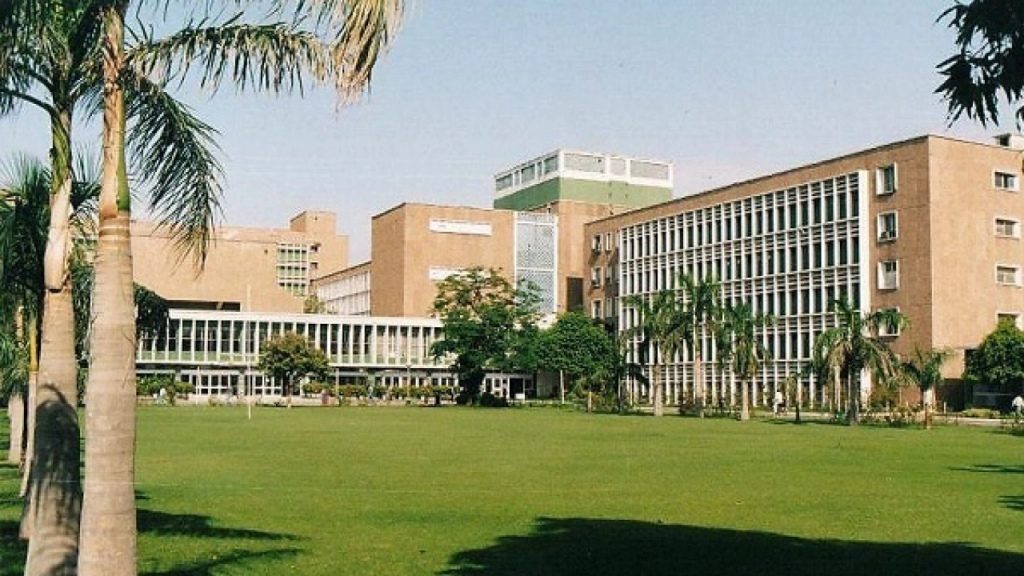
AIIMS, New Delhi
India’s most prestigious medical institute known for academic excellence, research, and patient care.
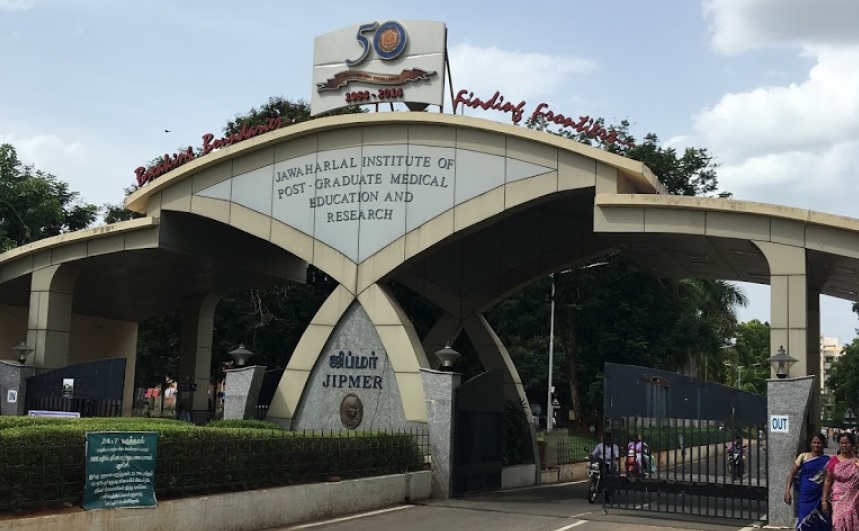
JIPMER, Puducherry
Autonomous institute under the Ministry of Health offering top-tier clinical exposure and academic rigor.

AFMC, Pune
Premier medical college under the Armed Forces, known for disciplined training and guaranteed placement in defense services.

Christian Medical College (CMC), Vellore
Top private medical institution known for clinical excellence and rural health outreach.
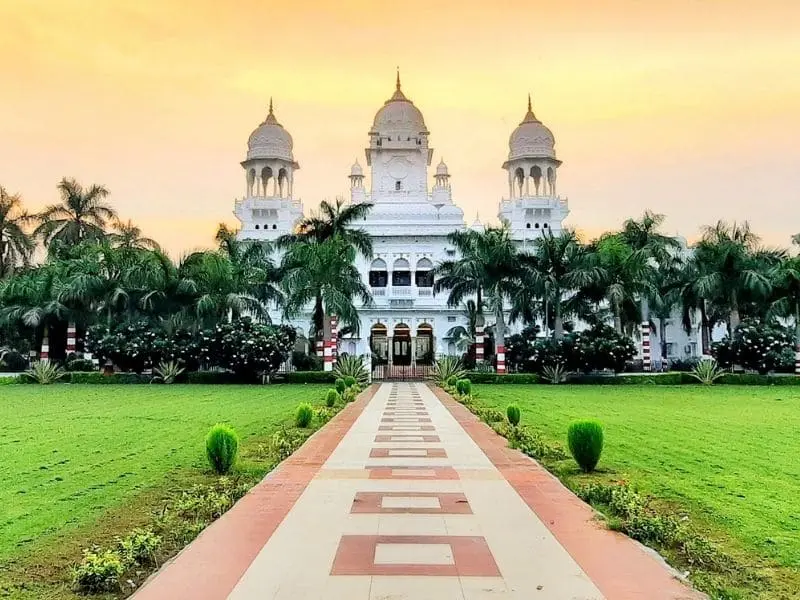
King George’s Medical University (KGMU), Lucknow
Government medical university with state-of-the-art medical infrastructure and super-specialty training.

Maulana Azad Medical College (MAMC), Delhi
Affiliated with the University of Delhi and one of India’s top government medical colleges with top NEET cutoffs.
Selection Criteria for Featured Medical Colleges
Academic Reputation
NIRF rankings, entrance exam cutoffs (NEET), clinical exposure, and curriculum quality
Internship & Residency Opportunities
Hospital infrastructure, stipend during internship, PG preparation support
Research & Publications
Research funding, publications, conference participation, and lab facilities
Alumni Network
Influence of alumni in India and abroad in academia, healthcare, and policy
Affordability & ROI
Low tuition in government colleges with high return via residency and future PG admissions
Location & Exposure
Urban vs rural clinical exposure, specialty hospitals, emergency cases, public health projects
Frequently Asked Questions
Here are detailed answers to the most common questions related to the MBBS course, admission process, career scope, and preparation strategies.
What is the eligibility for MBBS in India?
To pursue MBBS in India, candidates must:
- Have completed 10+2 with Physics, Chemistry, Biology/Biotechnology, and English
- Have scored a minimum of 50% (40% for reserved categories)
- Be at least 17 years of age at the time of admission
- Qualify in the NEET-UG exam (National Eligibility cum Entrance Test)
What is the duration and structure of the MBBS course?
The MBBS course duration is 5.5 years, including:
- 4.5 years academic study (9 semesters)
- 1 year compulsory rotating internship in hospitals and clinics
Subjects include Anatomy, Physiology, Biochemistry, Pathology, Pharmacology, Microbiology, Medicine, Surgery, Pediatrics, Obstetrics & Gynecology, etc.
Is NEET mandatory for MBBS admission?
Yes, NEET-UG is mandatory for MBBS admission in India across all government, private, central, and deemed universities. No admission is possible without a valid NEET score.
It is also required for studying MBBS abroad (from 2018 onwards, as per MCI/NMC regulations).
What are the career options after MBBS?
After MBBS, students can pursue:
- Postgraduate studies: MD/MS, Diploma courses
- Super-specialty: DM/M.Ch after MD/MS
- Government jobs: UPSC CMS, AIIMS, Railways, State Health Services
- Private practice or clinical jobs in hospitals, diagnostics, etc.
- Research and academics: Teaching in medical colleges, clinical trials
- Non-clinical options: Hospital management, health IT, medical writing, public health
How much does it cost to study MBBS in India?
The cost of MBBS varies based on the type of college:
- Government colleges: ₹10,000 – ₹1.5 lakh total (highly subsidized)
- Private colleges: ₹40 lakh – ₹1.2 crore total (5.5 years)
- Deemed universities: ₹25 lakh – ₹80 lakh total
Additional expenses include hostel, books, materials, and living costs.
Can I pursue MBBS abroad and practice in India?
Yes, Indian students can pursue MBBS abroad (e.g., in Russia, Philippines, Georgia, Ukraine, Kazakhstan) and return to practice in India. However:
- You must qualify NEET-UG before going abroad
- After graduation, pass the Foreign Medical Graduate Examination (FMGE) in India
- Complete a 1-year internship in India and register with State/National Medical Council
What is the salary after MBBS in India?
MBBS salary depends on experience, job type, and location:
- Internship Stipend: ₹20,000 – ₹30,000/month (varies by state/institute)
- Resident Doctor: ₹50,000 – ₹90,000/month
- Junior Doctors: ₹6 – ₹12 LPA (private hospitals)
- Government Doctors: ₹60,000 – ₹1.2 lakh/month + benefits
Postgraduates and specialists (MD/MS, DM/M.Ch) earn significantly higher based on specialization.
Which are the top specializations after MBBS?
Popular MD/MS specializations include:
- MD – General Medicine, Pediatrics, Radiology, Dermatology, Psychiatry
- MS – General Surgery, Orthopedics, Obstetrics & Gynaecology, ENT
Super-specialty (DM/M.Ch) includes:
- DM – Cardiology, Neurology, Gastroenterology, Endocrinology
- M.Ch – Neurosurgery, Urology, Cardiothoracic Surgery
Choice depends on aptitude, interest, and NEET PG rank.