
Overview
Bachelor of Science (B.Sc) is a comprehensive three-year undergraduate degree program that serves as the cornerstone of scientific education in India and worldwide. This prestigious degree focuses extensively on scientific and technical subjects, providing students with an unparalleled foundation in mathematics, pure sciences, applied sciences, and cutting-edge research methodologies.
The B.Sc program is meticulously designed to cultivate analytical thinking, advanced problem-solving capabilities, and a genuine scientific temperament among students. Through rigorous coursework, extensive laboratory sessions, and hands-on research projects, students develop critical thinking skills that are highly valued across industries. The curriculum emphasizes both theoretical understanding and practical application, ensuring graduates are well-prepared for the challenges of the modern scientific landscape.
B.Sc graduates enjoy remarkable versatility in their career paths, with opportunities spanning research institutions, multinational corporations, educational establishments, government organizations, healthcare sectors, environmental agencies, and technology companies. The degree serves as an excellent foundation for further specialization through master's programs, professional courses, or direct entry into the workforce.
In today's rapidly evolving technological landscape, B.Sc graduates are increasingly sought after for their strong analytical foundation, research capabilities, and adaptability to new technologies. The program's emphasis on scientific methodology and data analysis makes graduates particularly valuable in emerging fields like data science, biotechnology, environmental science, and digital innovation.
The interdisciplinary nature of modern B.Sc programs allows students to explore connections between different scientific fields, fostering innovation and creative problem-solving. Many programs now incorporate elements of computer science, statistics, and research methodology across all specializations, preparing students for the increasingly data-driven nature of scientific work.
Key Highlights
- Duration: 3 years (6 semesters) with option for integrated programs
- Eligibility: 10+2 with Science subjects (Physics, Chemistry, Mathematics/Biology)
- Average Fees: ₹10,000 - ₹2,00,000 per year (varies by institution type)
- Job Prospects: Research, Teaching, Industry, Government, Healthcare, IT
- Higher Studies: M.Sc, MBA, M.Tech, Professional courses
- Global Recognition: Internationally accepted degree
- Specializations: 50+ specialization options available
Courses & Specializations
B.Sc offers an extensive range of specializations across diverse fields of science, each designed to meet the evolving demands of modern industries and research sectors. Students can choose from traditional core subjects to cutting-edge interdisciplinary programs that combine multiple scientific disciplines.
The specialization landscape has expanded significantly in recent years, with universities introducing innovative programs that address contemporary challenges in technology, environment, healthcare, and data science. These programs are designed in consultation with industry experts to ensure graduates possess skills that are immediately applicable in the professional world.
Physical Sciences
- B.Sc Physics (Honours/General)
- B.Sc Chemistry (Organic/Inorganic/Physical)
- B.Sc Mathematics (Pure/Applied)
- B.Sc Statistics & Data Analytics
- B.Sc Astronomy & Astrophysics
- B.Sc Geology & Earth Sciences
- B.Sc Materials Science
- B.Sc Nuclear Science
Life Sciences
- B.Sc Biology (Molecular/Cell Biology)
- B.Sc Botany (Plant Sciences)
- B.Sc Zoology (Animal Sciences)
- B.Sc Biotechnology & Genetic Engineering
- B.Sc Microbiology & Immunology
- B.Sc Biochemistry
- B.Sc Bioinformatics
- B.Sc Marine Biology
- B.Sc Forensic Science
Applied Sciences
- B.Sc Computer Science & Programming
- B.Sc Information Technology
- B.Sc Electronics & Communication
- B.Sc Environmental Science & Sustainability
- B.Sc Food Technology & Nutrition
- B.Sc Agricultural Sciences
- B.Sc Data Science & Analytics
- B.Sc Artificial Intelligence
- B.Sc Cyber Security
Interdisciplinary Programs
- B.Sc Medical Laboratory Technology
- B.Sc Radiography & Medical Imaging
- B.Sc Psychology & Neuroscience
- B.Sc Sports Science & Fitness
- B.Sc Climate Science
- B.Sc Renewable Energy
- B.Sc Digital Forensics
- B.Sc Nanotechnology
Emerging Specializations
Universities are continuously introducing new specializations to keep pace with technological advancement and industry requirements. Some of the newest and most sought-after specializations include:
🧬 Computational Biology
Combines biology, computer science, and mathematics to analyze biological data and solve complex biological problems using computational methods.
🌍 Climate Change Studies
Focuses on understanding climate systems, environmental impact assessment, and developing solutions for climate-related challenges.
🤖 Machine Learning & AI
Covers artificial intelligence, machine learning algorithms, neural networks, and their applications in various scientific fields.
🧪 Pharmaceutical Sciences
Integrates chemistry, biology, and pharmacology to study drug development, testing, and therapeutic applications.
Subjects & Curriculum
The B.Sc curriculum is meticulously structured to provide a perfect balance between comprehensive theoretical knowledge and extensive practical experience. The program follows a semester-based system that allows for progressive learning and skill development throughout the three-year duration.
Each semester is designed to build upon previous knowledge while introducing new concepts and methodologies. The curriculum includes core subjects, elective courses, laboratory sessions, project work, and industry internships to ensure holistic development of students.
Modern B.Sc programs emphasize interdisciplinary learning, incorporating elements from multiple scientific fields to prepare students for the interconnected nature of contemporary scientific research and industry applications.
Year 1 (Semesters 1-2)
Foundation Building Phase
- Core Subjects Introduction: Basic principles and fundamental concepts
- Mathematics/Statistics: Calculus, algebra, probability, and statistical methods
- English/Communication Skills: Scientific writing, presentation skills
- Laboratory Work: Basic experimental techniques and safety protocols
- Environmental Studies: Ecology, sustainability, and environmental awareness
- Computer Applications: Basic programming and data analysis tools
- Research Methodology: Introduction to scientific method and research ethics
Year 2 (Semesters 3-4)
Specialization Development Phase
- Advanced Core Subjects: In-depth study of chosen specialization
- Elective Subjects: Interdisciplinary courses and specialized topics
- Advanced Research Methodology: Data collection, analysis, and interpretation
- Extensive Practical Sessions: Advanced laboratory techniques and instrumentation
- Minor Project Work: Independent research under faculty guidance
- Industry Exposure: Guest lectures, industrial visits, and workshops
- Soft Skills Development: Leadership, teamwork, and professional communication
Year 3 (Semesters 5-6)
Professional Preparation Phase
- Advanced Specialization Subjects: Cutting-edge topics and current research trends
- Industry Internship: 2-3 months practical experience in relevant organizations
- Major Research Project: Comprehensive research work with original contribution
- Seminar Presentations: Regular presentations on current scientific developments
- Dissertation Writing: Detailed report on research project with literature review
- Career Preparation: Interview skills, resume building, and job placement assistance
- Higher Studies Guidance: Preparation for entrance exams and application processes
Assessment Methods
The evaluation system in B.Sc programs is comprehensive and includes multiple assessment methods:
Written Examinations (40%)
Semester-end examinations testing theoretical knowledge and problem-solving abilities
Practical Examinations (30%)
Laboratory-based assessments evaluating experimental skills and data analysis
Continuous Assessment (20%)
Regular assignments, quizzes, and class participation throughout the semester
Project Work (10%)
Research projects, presentations, and dissertation work demonstrating independent learning
Career Opportunities
B.Sc graduates enjoy an exceptionally diverse range of career opportunities across multiple sectors, with the degree serving as a gateway to numerous professional paths. The strong analytical foundation, research skills, and scientific temperament developed during the program make graduates highly sought after in today's knowledge-based economy.
The career landscape for B.Sc graduates has expanded dramatically in recent years, with new opportunities emerging in technology, healthcare, environmental sciences, data analytics, and interdisciplinary fields. Many graduates also choose to pursue entrepreneurial ventures, leveraging their scientific knowledge to develop innovative solutions.
The versatility of a B.Sc degree allows graduates to transition between different sectors throughout their careers, adapting to changing market demands and personal interests. This flexibility is particularly valuable in today's rapidly evolving job market.
Research & Development
The R&D sector offers exciting opportunities for B.Sc graduates to contribute to scientific advancement and innovation:
- Research Scientist - ₹4-12 LPA (Government labs, private R&D centers)
- Laboratory Technician - ₹2.5-6 LPA (Hospitals, diagnostic centers, research institutes)
- Quality Control Analyst - ₹3-8 LPA (Pharmaceutical, food, chemical industries)
- Clinical Research Associate - ₹4-10 LPA (Clinical trials, pharmaceutical companies)
- Product Development Specialist - ₹5-12 LPA (Manufacturing, technology companies)
- Technical Writer - ₹3-8 LPA (Scientific publications, technical documentation)
- Patent Analyst - ₹4-10 LPA (IP firms, technology companies)
Education Sector
Teaching and educational roles offer stable career paths with opportunities for continuous learning and growth:
- School Teacher (TGT/PGT) - ₹3-8 LPA (Government and private schools)
- College Professor/Lecturer - ₹6-20 LPA (Universities, colleges)
- Educational Content Developer - ₹4-10 LPA (EdTech companies, publishers)
- Academic Counselor - ₹3-7 LPA (Educational institutions, consultancies)
- Curriculum Designer - ₹5-12 LPA (Educational boards, institutions)
- Online Course Creator - ₹3-15 LPA (E-learning platforms, freelance)
- Science Communicator - ₹4-10 LPA (Media, museums, science centers)
Industry & Corporate
Private sector opportunities span across various industries, offering competitive salaries and growth prospects:
- Data Analyst/Scientist - ₹5-15 LPA (IT, finance, healthcare, e-commerce)
- Software Developer - ₹4-18 LPA (IT companies, startups, MNCs)
- Business Analyst - ₹5-12 LPA (Consulting, finance, technology)
- Market Research Analyst - ₹4-10 LPA (Market research firms, corporations)
- Environmental Consultant - ₹4-12 LPA (Environmental firms, government)
- Biotechnology Specialist - ₹5-15 LPA (Biotech companies, pharmaceuticals)
- Food Safety Officer - ₹4-8 LPA (Food industry, regulatory bodies)
Government Jobs
Government sector provides job security, benefits, and opportunities to serve the nation:
- Civil Services (IAS/IPS/IFS) - ₹8-20 LPA (Administrative services)
- Forest Officer - ₹6-12 LPA (Forest department, wildlife conservation)
- Scientific Officer - ₹7-15 LPA (DRDO, ISRO, BARC, CSIR labs)
- Food Inspector - ₹4-8 LPA (Food safety departments)
- Agricultural Officer - ₹5-10 LPA (Agriculture departments)
- Meteorologist - ₹6-12 LPA (Indian Meteorological Department)
- Geologist - ₹6-14 LPA (Geological Survey of India)
Healthcare & Medical
Healthcare sector offers rewarding careers in medical technology and patient care:
- Medical Laboratory Technologist - ₹3-8 LPA (Hospitals, diagnostic labs)
- Radiographer - ₹4-10 LPA (Hospitals, imaging centers)
- Clinical Data Manager - ₹5-12 LPA (Clinical research organizations)
- Biomedical Equipment Technician - ₹3-7 LPA (Hospitals, equipment companies)
- Pharmaceutical Sales Representative - ₹3-8 LPA (Pharmaceutical companies)
- Health Data Analyst - ₹4-10 LPA (Healthcare organizations, insurance)
Emerging Career Fields
New-age careers that are gaining prominence with technological advancement:
- Artificial Intelligence Specialist - ₹6-20 LPA (Tech companies, startups)
- Cybersecurity Analyst - ₹5-15 LPA (IT security, government, banking)
- Sustainability Consultant - ₹4-12 LPA (Environmental consulting, corporations)
- Genetic Counselor - ₹5-12 LPA (Hospitals, genetic testing companies)
- Space Technology Specialist - ₹8-18 LPA (ISRO, private space companies)
- Digital Forensics Expert - ₹6-15 LPA (Law enforcement, cybersecurity firms)
Admission Process
The admission process for B.Sc programs varies across institutions, with most universities following either merit-based selection or entrance exam-based admission. Understanding the complete admission process is crucial for securing admission to your preferred college and specialization.
The admission timeline typically begins in March-April with application forms being released, followed by entrance exams in May-June, and counseling sessions in July-August. Early preparation and awareness of deadlines are essential for successful admission.
Eligibility Criteria
Basic eligibility requirements that candidates must fulfill:
- Educational Qualification: Passed 10+2 or equivalent examination from a recognized board
- Subject Requirements: Physics, Chemistry, and Mathematics/Biology as mandatory subjects
- Minimum Marks: 50% marks in aggregate (45% for SC/ST, 47% for OBC categories)
- Age Limit: Generally 17-25 years (relaxation for reserved categories)
- English Proficiency: English as a compulsory subject in 10+2
- Medical Fitness: Medical certificate for certain specializations
- Domicile Requirements: State domicile for state quota seats (where applicable)
Types of Admission
Merit-Based Admission
Selection based on 10+2 marks, commonly used by state universities and many private colleges. Cut-off marks vary by college and specialization.
Entrance Exam Based
Admission through national, state, or university-level entrance exams. Examples include CUET, JEE Main, state CETs.
Interview & Counseling
Some institutions conduct personal interviews or counseling sessions as part of the selection process.
Application Process
Step-by-step guide to the application process:
- Research & Selection: Research colleges, courses, and admission requirements
- Application Form: Fill out the application form online/offline with accurate information
- Document Upload: Upload scanned copies of all required documents
- Fee Payment: Pay application fees through online/offline modes
- Entrance Exam: Appear for entrance exam (if applicable) and download admit card
- Result Declaration: Check results and merit lists on official websites
- Counseling Process: Attend counseling sessions and choose preferences
- Seat Allotment: Check seat allotment results and confirm admission
- Document Verification: Complete document verification at allotted college
- Fee Payment: Pay admission fees and complete formalities
Required Documents
Essential documents needed for the admission process:
- Academic Documents: 10th & 12th mark sheets, passing certificates, and migration certificate
- Transfer Certificate: From the last attended institution
- Character Certificate: From school principal or head of institution
- Category Certificates: SC/ST/OBC/EWS certificates (if applicable)
- Identity Proof: Aadhar card, passport, or other government-issued ID
- Photographs: Recent passport-size photographs (usually 6-8 copies)
- Medical Certificate: Fitness certificate from registered medical practitioner
- Income Certificate: For fee concessions or scholarships
- Domicile Certificate: For state quota admissions
- Gap Certificate: If there's a gap year after 12th
Important Dates & Timeline
March - April
Application forms released, registration begins
May - June
Entrance exams conducted, results declared
July - August
Counseling, seat allotment, and admission process
August - September
Classes commence, orientation programs
Fee Structure
The fee structure for B.Sc programs varies significantly based on the type of institution, location, specialization, and facilities provided. Understanding the complete cost structure helps in financial planning and making informed decisions about college selection.
Apart from tuition fees, students should also consider additional expenses such as hostel accommodation, books, laboratory fees, examination fees, and living expenses. Many institutions offer scholarships and financial aid to deserving students.
| College Type | Average Annual Fees | Total Course Fee | Additional Costs |
|---|---|---|---|
| Government Colleges | ₹10,000 - ₹50,000 | ₹30,000 - ₹1,50,000 | ₹20,000 - ₹40,000 |
| Private Colleges | ₹50,000 - ₹2,00,000 | ₹1,50,000 - ₹6,00,000 | ₹50,000 - ₹1,00,000 |
| Deemed Universities | ₹1,00,000 - ₹3,00,000 | ₹3,00,000 - ₹9,00,000 | ₹75,000 - ₹1,50,000 |
| International Universities | ₹5,00,000 - ₹15,00,000 | ₹15,00,000 - ₹45,00,000 | ₹2,00,000 - ₹5,00,000 |
Detailed Cost Breakdown
Academic Expenses
- Tuition Fees: ₹10,000 - ₹3,00,000 per year
- Laboratory Fees: ₹5,000 - ₹25,000 per year
- Library Fees: ₹1,000 - ₹5,000 per year
- Examination Fees: ₹2,000 - ₹10,000 per year
- Books & Study Materials: ₹8,000 - ₹15,000 per year
Living Expenses
- Hostel Accommodation: ₹30,000 - ₹1,20,000 per year
- Food & Mess: ₹25,000 - ₹60,000 per year
- Transportation: ₹5,000 - ₹20,000 per year
- Personal Expenses: ₹15,000 - ₹30,000 per year
Financial Aid Options
- Merit-based Scholarships: Up to 100% fee waiver
- Need-based Financial Aid: Up to 75% assistance
- Government Scholarships: Various schemes available
- Education Loans: Up to ₹10 lakhs at low interest
Miscellaneous Costs
- Internet & Mobile: ₹5,000 - ₹12,000 per year
- Extracurricular Activities: ₹2,000 - ₹10,000 per year
- Clothing & Personal Items: ₹5,000 - ₹15,000 per year
- Field Trips & Workshops: ₹3,000 - ₹20,000 per year
Note: Fees may vary significantly based on location, specialization, college reputation, and facilities provided. It's advisable to check with individual institutions for exact fee structures and available financial aid options.
Course Comparison
Choosing the right undergraduate program is crucial for your career trajectory. Here's a comprehensive comparison of B.Sc with other popular undergraduate courses to help you make an informed decision based on your interests, career goals, and aptitude.
| Course | Duration | Focus Area | Career Scope | Average Salary | Higher Studies |
|---|---|---|---|---|---|
| B.Sc | 3 years | Pure Sciences | Research, Teaching, Industry | ₹3-12 LPA | M.Sc, MBA, M.Tech |
| B.Tech | 4 years | Engineering & Technology | Engineering, IT, Management | ₹4-20 LPA | M.Tech, MBA, MS |
| BCA | 3 years | Computer Applications | Software Development, IT | ₹3-15 LPA | MCA, MBA, M.Sc IT |
| B.Pharm | 4 years | Pharmaceutical Sciences | Pharmacy, Drug Research | ₹3-10 LPA | M.Pharm, MBA, MS |
| B.Com | 3 years | Commerce & Business | Finance, Banking, Accounting | ₹2-8 LPA | M.Com, MBA, CA, CS |
| BBA | 3 years | Business Administration | Management, Marketing, HR | ₹3-10 LPA | MBA, PGDM |
Course Analysis
B.Sc vs B.Tech
Choose B.Sc if: You're interested in pure sciences, research, and theoretical knowledge. Better for those planning higher studies in science or research careers.
Choose B.Tech if: You prefer practical applications, engineering solutions, and immediate job opportunities in technology sectors.
B.Sc vs BCA
Choose B.Sc (Computer Science) if: You want a broader scientific foundation with computer science specialization and flexibility for diverse career paths.
Choose BCA if: You're specifically focused on computer applications, software development, and IT industry careers.
B.Sc vs B.Pharm
Choose B.Sc (Life Sciences) if: You're interested in broader biological sciences, research opportunities, and diverse career options in healthcare and research.
Choose B.Pharm if: You're specifically interested in pharmaceutical sciences, drug development, and pharmacy practice.
Popular Colleges
India hosts numerous prestigious institutions offering B.Sc programs with excellent faculty, infrastructure, and placement opportunities. These colleges are recognized for their academic excellence, research contributions, and industry connections.
Delhi University (DU)
Location: New Delhi | NIRF Ranking: 11 (2023)
Fee Range: ₹15,000 - ₹45,000 per year
Specializations: Physics, Chemistry, Mathematics, Biology, Computer Science
Notable Features: 77 affiliated colleges, excellent faculty, strong alumni network
Banaras Hindu University (BHU)
Location: Varanasi, UP | NIRF Ranking: 16 (2023)
Fee Range: ₹12,000 - ₹35,000 per year
Specializations: All major science subjects, strong research focus
Notable Features: Central university status, beautiful campus, research opportunities
Jadavpur University
Location: Kolkata, WB | NIRF Ranking: 17 (2023)
Fee Range: ₹8,000 - ₹25,000 per year
Specializations: Physics, Chemistry, Mathematics, Statistics
Notable Features: Strong research culture, excellent placement record
University of Mumbai
Location: Mumbai, Maharashtra | NIRF Ranking: 24 (2023)
Fee Range: ₹20,000 - ₹55,000 per year
Specializations: All science subjects, biotechnology, environmental science
Notable Features: Industry connections, modern laboratories, diverse programs
Jamia Millia Islamia
Location: New Delhi | NIRF Ranking: 12 (2023)
Fee Range: ₹18,000 - ₹40,000 per year
Specializations: Biosciences, Computer Science, Applied Sciences
Notable Features: Central university, diverse student body, research focus
Aligarh Muslim University (AMU)
Location: Aligarh, UP | NIRF Ranking: 19 (2023)
Fee Range: ₹15,000 - ₹35,000 per year
Specializations: Physics, Chemistry, Biology, Mathematics, Geology
Notable Features: Historic institution, strong alumni network, research opportunities
University of Hyderabad
Location: Hyderabad, Telangana | NIRF Ranking: 25 (2023)
Fee Range: ₹16,000 - ₹38,000 per year
Specializations: Life Sciences, Physical Sciences, Mathematics & Statistics
Notable Features: Research-intensive, beautiful campus, excellent faculty
Presidency University, Kolkata
Location: Kolkata, WB | NIRF Ranking: 30 (2023)
Fee Range: ₹12,000 - ₹30,000 per year
Specializations: Physics, Chemistry, Mathematics, Statistics, Economics
Notable Features: Historic institution, strong academic tradition, notable alumni
State-wise Top Colleges
North India
- Delhi University (Delhi)
- Panjab University (Chandigarh)
- Kurukshetra University (Haryana)
- Himachal Pradesh University (HP)
West India
- University of Mumbai (Maharashtra)
- University of Pune (Maharashtra)
- Gujarat University (Gujarat)
- Rajasthan University (Rajasthan)
East India
- University of Calcutta (West Bengal)
- Jadavpur University (West Bengal)
- Utkal University (Odisha)
- Gauhati University (Assam)
South India
- University of Madras (Tamil Nadu)
- Bangalore University (Karnataka)
- University of Kerala (Kerala)
- Andhra University (Andhra Pradesh)
Central India
- Barkatullah University (Madhya Pradesh)
- Rani Durgavati University (Madhya Pradesh)
- Pt. Ravishankar Shukla University (Chhattisgarh)
- Makhanlal Chaturvedi University (Madhya Pradesh)
North-East India
- North-Eastern Hill University (Meghalaya)
- Manipur University (Manipur)
- Mizoram University (Mizoram)
- Tripura University (Tripura)
Top Entrance Exams
Entrance examinations serve as gateways to prestigious institutions and specialized programs. Understanding the exam pattern, syllabus, and preparation strategy is crucial for success in these competitive examinations.
CUET (Common University Entrance Test)
Purpose: Admission to central universities and participating institutions across India
Exam Date: May-June | Application: March-April
Subjects: Physics, Chemistry, Mathematics/Biology, General Test
Participating Universities: 45+ Central Universities, 13 State Universities
JEE Main
Purpose: Admission to NITs, IIITs, and other technical institutes offering B.Sc programs
Exam Date: January & April (Multiple sessions) | Application: December-January
Subjects: Physics, Chemistry, Mathematics
Participating Institutes: 31 NITs, 25 IIITs, 26 GFTIs
NEST (National Entrance Screening Test)
Purpose: Admission to NISER Bhubaneswar and UM-DAE CBS Mumbai for integrated programs
Exam Date: June | Application: February-April
Subjects: Biology, Chemistry, Mathematics, Physics, General Questions
Program: 5-year integrated M.Sc programs in basic sciences
IISER Aptitude Test
Purpose: Admission to Indian Institutes of Science Education and Research
Exam Date: May-June | Application: March-April
Subjects: Physics, Chemistry, Mathematics, Biology
Institutes: 7 IISERs across India offering BS-MS dual degree
KVPY (Kishore Vaigyanik Protsahan Yojana)
Purpose: Scholarship program for science students, provides direct admission to IISc and IISERs
Exam Date: November | Application: July-September
Streams: SA (Class 11), SB (Class 12), SX (1st year B.Sc)
Benefits: Monthly fellowship + admission to premier institutes
BITSAT (Birla Institute of Technology and Science Admission Test)
Purpose: Admission to BITS Pilani campuses for various programs including B.Sc
Exam Date: May-June | Application: January-March
Subjects: Physics, Chemistry, Mathematics/Biology, English, Logical Reasoning
Campuses: Pilani, Goa, Hyderabad, Dubai
State-Level Entrance Exams
Maharashtra CET
For admission to government and aided colleges in Maharashtra
Subjects: Physics, Chemistry, Mathematics/Biology
Karnataka CET
For admission to professional courses in Karnataka
Subjects: Physics, Chemistry, Mathematics, Biology
West Bengal JEE
For admission to engineering and pharmacy courses in West Bengal
Subjects: Mathematics, Physics, Chemistry
Tamil Nadu TNEA
For admission to engineering colleges in Tamil Nadu
Basis: 12th standard marks (no separate exam)
Delhi CUET
CUET is used by Delhi University and other central universities for UG admissions
Subjects: Domain-specific subjects + General test
Telangana TS EAMCET
For engineering, agriculture, and medical admissions in Telangana
Subjects: Physics, Chemistry, Mathematics/Biology
Preparation Tips
Study Strategy
- Start preparation at least 6 months before the exam
- Focus on NCERT textbooks for conceptual clarity
- Practice previous year question papers regularly
- Take mock tests to improve time management
Time Management
- Create a realistic study schedule
- Allocate time based on subject weightage
- Regular revision is more important than lengthy study sessions
- Take breaks to avoid burnout
Featured Colleges
These institutions stand out for their exceptional academic programs, research facilities, industry connections, and overall student experience. They represent the best of B.Sc education in India.
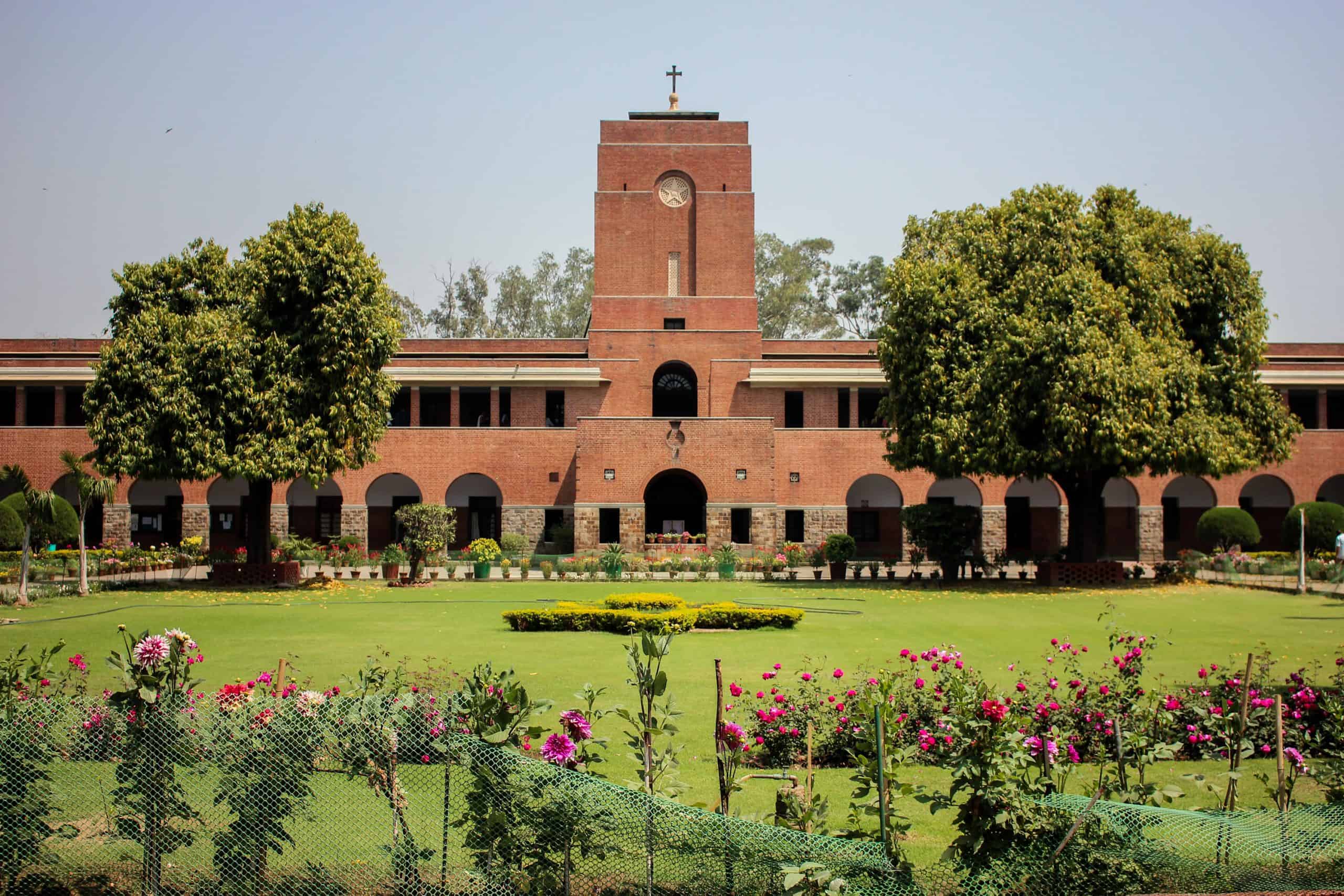
St. Stephen's College, Delhi
Premier college affiliated to Delhi University, known for academic excellence and distinguished alumni network.
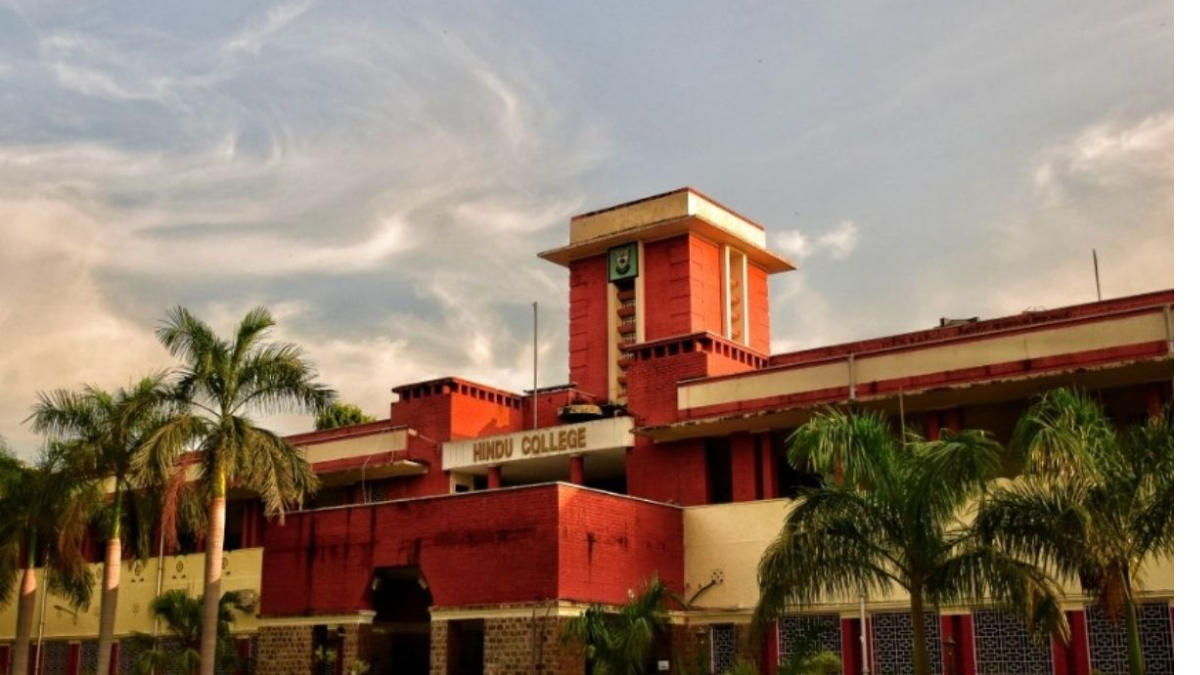
Hindu College, Delhi
One of the oldest and most prestigious colleges of Delhi University with excellent science departments.
Loyola College, Chennai
Autonomous college known for quality education and strong industry connections in South India.
Fergusson College, Pune
Historic institution with excellent science departments and strong alumni network in western India.
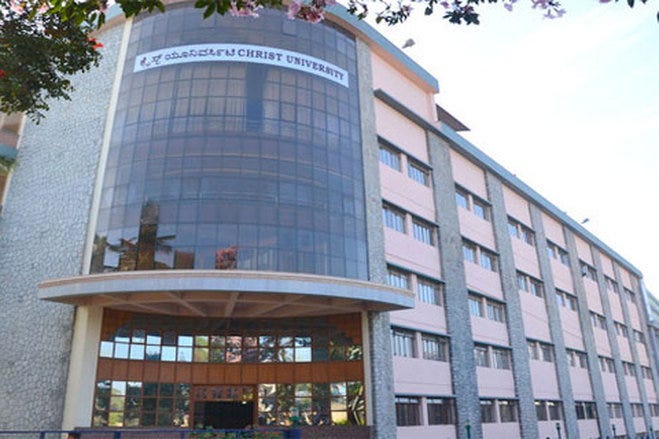
Christ University, Bangalore
Private university known for innovative curriculum and excellent placement opportunities.
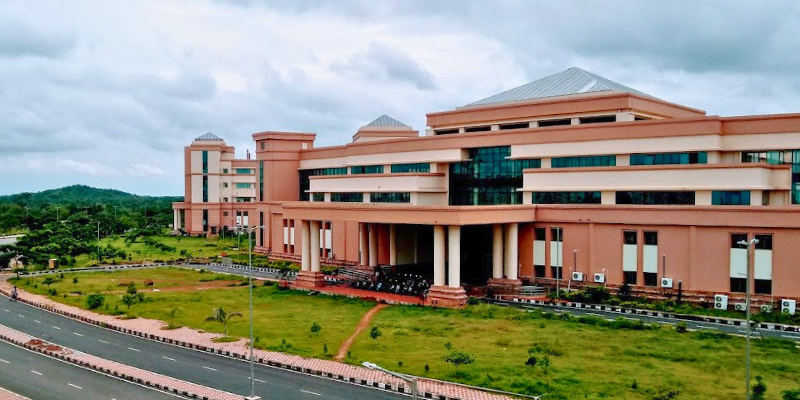
NISER, Bhubaneswar
National Institute of Science Education and Research offering integrated BS-MS programs.
Selection Criteria for Featured Colleges
Academic Excellence
NIRF rankings, accreditation status, faculty qualifications, and research output
Placement Record
Placement percentage, average salary packages, and top recruiting companies
Infrastructure
Laboratory facilities, library resources, campus amenities, and technology integration
Alumni Network
Notable alumni achievements, industry connections, and mentorship opportunities
Affordability
Tuition fees, cost of living, scholarship availability, and return on investment
Location & Accessibility
Proximity to home, urban/rural setting, public transport, and climate considerations
Frequently Asked Questions
Here are comprehensive answers to the most commonly asked questions about B.Sc programs, admission processes, career prospects, and academic requirements.
What is the difference between B.Sc and B.Tech?
B.Sc (Bachelor of Science) is a 3-year undergraduate program focusing on theoretical knowledge and research in pure sciences like Physics, Chemistry, Biology, and Mathematics. It emphasizes scientific principles, research methodology, and analytical thinking.
B.Tech (Bachelor of Technology) is a 4-year engineering program that emphasizes practical application, engineering principles, and technology implementation. It focuses on solving real-world problems through engineering solutions.
Key Differences:
- Duration: B.Sc - 3 years, B.Tech - 4 years
- Focus: B.Sc - Pure sciences and research, B.Tech - Applied engineering
- Career Path: B.Sc - Research, teaching, further studies; B.Tech - Engineering, technology, industry
- Admission: B.Sc - Merit/entrance based, B.Tech - JEE Main/Advanced
Can I pursue B.Sc without Mathematics?
Yes, you can pursue B.Sc without Mathematics in your 12th standard, but your specialization options will be limited to life sciences and certain other fields.
B.Sc courses available without Mathematics:
- B.Sc Biology/Life Sciences
- B.Sc Botany
- B.Sc Zoology
- B.Sc Biotechnology
- B.Sc Microbiology
- B.Sc Environmental Science
- B.Sc Psychology
- B.Sc Forensic Science
Mathematics required for: Physics, Chemistry, Computer Science, Statistics, Data Science, and most applied science programs.
What are the job prospects after B.Sc?
B.Sc graduates have excellent job prospects across diverse sectors with opportunities for both immediate employment and career growth through higher studies.
Immediate Job Opportunities:
- Private Sector: IT companies, pharmaceutical firms, biotechnology companies, research organizations
- Government Sector: Civil services, scientific organizations (DRDO, ISRO, CSIR), teaching positions
- Healthcare: Hospitals, diagnostic labs, clinical research organizations
- Education: Schools, colleges, coaching institutes, content development
Higher Studies Options:
- M.Sc for specialization and research careers
- MBA for management roles
- M.Tech for technical advancement
- Professional courses like B.Ed, LLB, etc.
Salary Range: ₹2.5-15 LPA depending on specialization, company, and experience.
Is B.Sc a good choice for career growth?
Absolutely! B.Sc provides excellent career growth opportunities and serves as a strong foundation for various professional paths.
Career Growth Advantages:
- Strong Foundation: Develops analytical thinking, problem-solving, and research skills
- Versatility: Opens doors to multiple career paths and industries
- Higher Studies: Gateway to specialized master's programs and professional courses
- Industry Demand: Growing demand for science graduates in emerging fields
Growth Trajectory Examples:
- Research Assistant → Senior Scientist → Research Director
- Data Analyst → Data Scientist → Chief Data Officer
- Lab Technician → Lab Manager → Quality Head
- Teacher → Principal → Education Consultant
The key to career growth is continuous learning, skill development, and staying updated with industry trends.
Which B.Sc specialization has the best job opportunities?
Job opportunities vary by specialization, but some fields currently offer better prospects due to industry demand and technological advancement.
High-Demand Specializations:
- Computer Science & IT: Software development, data science, cybersecurity
- Biotechnology: Pharmaceutical industry, research, healthcare
- Data Science & Statistics: Analytics, business intelligence, research
- Environmental Science: Sustainability consulting, government agencies
- Forensic Science: Law enforcement, legal consulting
Traditional but Stable:
- Physics, Chemistry, Mathematics - Research, teaching, government jobs
- Biology - Healthcare, research, pharmaceutical industry
Choose based on your interests and aptitude rather than just job prospects, as passion leads to better career success.
What is the scope of B.Sc in abroad studies?
B.Sc degree from Indian universities is widely recognized internationally, opening doors to higher studies and career opportunities abroad.
Higher Studies Abroad:
- Master's Programs: M.Sc, MS, MBA in universities worldwide
- Research Opportunities: PhD programs in top international universities
- Professional Courses: Specialized certifications and diplomas
Popular Destinations:
- USA: MS programs, research opportunities, STEM OPT benefits
- Canada: Master's programs, immigration-friendly policies
- UK: 1-year master's programs, post-study work visa
- Australia: Research programs, skilled migration opportunities
- Germany: Low-cost education, strong research focus
Requirements: Good academic record, English proficiency (IELTS/TOEFL), standardized tests (GRE/GMAT), and relevant work experience.
How much can I earn after completing B.Sc?
Salary after B.Sc varies significantly based on specialization, industry, location, and company type. Here's a comprehensive breakdown:
Fresher Salaries (0-2 years experience):
- IT/Software: ₹3-8 LPA
- Data Science: ₹4-10 LPA
- Biotechnology: ₹2.5-6 LPA
- Research: ₹3-7 LPA
- Government Jobs: ₹4-8 LPA
- Teaching: ₹2.5-5 LPA
Mid-Career (5-10 years experience):
- Senior positions: ₹8-20 LPA
- Management roles: ₹12-25 LPA
- Specialized expertise: ₹10-30 LPA
Factors Affecting Salary:
- Specialization and skills
- Company size and industry
- Location (metro vs non-metro)
- Additional qualifications and certifications