
Overview
Bachelor of Business Administration (BBA) is a dynamic three-year undergraduate program that lays a strong foundation in business management, entrepreneurship, and leadership. It is one of the most popular choices among commerce and management aspirants in India and globally, designed to equip students with essential skills for a wide range of business-related careers.
The BBA curriculum covers core areas such as marketing, finance, human resource management, operations, business analytics, and organizational behavior. The program also emphasizes the development of soft skills, leadership abilities, and critical thinking through case studies, internships, live projects, and presentations.
BBA is a gateway to numerous career opportunities in the corporate world, startups, financial institutions, government sectors, and NGOs. Graduates are well-prepared to take up roles in management, consulting, banking, sales, and entrepreneurship. The program also serves as an ideal stepping stone for pursuing advanced degrees like MBA, PGDM, or other professional certifications.
With the rise of digital transformation and globalization, BBA graduates are in high demand for their managerial acumen, business awareness, and adaptability. Many universities also offer specializations in areas like International Business, Business Analytics, and Digital Marketing to help students stay relevant in today’s evolving market.
Modern BBA programs often include experiential learning components such as industry visits, business simulations, and mentorship from industry experts. This helps bridge the gap between academic theory and real-world practice, producing graduates who are job-ready and innovation-driven.
Key Highlights
- Duration: 3 years (6 semesters) with options for integrated MBA programs
- Eligibility: 10+2 in any stream (Commerce preferred); some colleges may require entrance exams
- Average Fees: ₹50,000 – ₹5,00,000 per year (varies by institution)
- Job Prospects: Marketing, Finance, HR, Operations, Consulting, Entrepreneurship
- Higher Studies: MBA, PGDM, MIM, Professional certifications (CA, CFA, etc.)
- Global Recognition: Accepted by universities and employers worldwide
- Specializations: Finance, Marketing, HR, IB, Business Analytics, Digital Marketing, etc.
Courses & Specializations
BBA offers a wide array of specializations catering to the diverse domains of business and management. These specializations are designed to align with evolving industry needs, equipping students with domain-specific knowledge and practical skills for various corporate, entrepreneurial, and public sector roles.
Many universities now offer niche and contemporary BBA programs that integrate data analytics, digital transformation, and global business practices. These courses are curated in collaboration with industry professionals to ensure students are future-ready and competitive in today’s fast-paced business environment.
Core Specializations
- BBA in Finance
- BBA in Marketing
- BBA in Human Resource Management
- BBA in Operations Management
- BBA in International Business
- BBA in Entrepreneurship
- BBA in General Management
Technology & Analytics
- BBA in Business Analytics
- BBA in Information Technology
- BBA in E-Commerce
- BBA in Digital Marketing
- BBA in Data Science & Business Intelligence
- BBA in FinTech
Sector-Specific
- BBA in Healthcare Management
- BBA in Retail Management
- BBA in Logistics & Supply Chain
- BBA in Hospitality & Tourism
- BBA in Media & Communication
- BBA in Event Management
Global & Integrated Programs
- BBA with International Immersion
- Integrated BBA + MBA (5-year program)
- BBA with Foreign Language Electives
- BBA with CFA/CPA/ACCA Track
- BBA with Start-Up Incubation Support
Emerging Specializations
To meet the dynamic demands of the digital and global economy, institutions are increasingly offering innovative and emerging BBA specializations. These include:
📊 BBA in Artificial Intelligence for Business
Focuses on AI applications in marketing, customer service, and decision-making using predictive analytics and machine learning tools.
🌍 BBA in Sustainability & ESG Management
Prepares students to lead sustainability initiatives, manage ESG (Environmental, Social, and Governance) risks, and drive ethical business practices.
📱 BBA in Digital Business & Innovation
Explores how businesses leverage digital platforms, automation, and disruptive technologies to innovate and scale operations.
💹 BBA in Financial Technology (FinTech)
Combines finance with cutting-edge technologies like blockchain, robo-advisory, and digital banking systems to transform financial services.
Subjects & Curriculum
The BBA curriculum is carefully crafted to strike a balance between theoretical frameworks and real-world business applications. Structured over six semesters, the program integrates core management principles with emerging business trends to foster a strong foundation in leadership, analytical thinking, and strategic decision-making.
Each year builds upon the previous one, gradually introducing students to advanced business concepts, specialized electives, and industry-driven projects. The curriculum combines classroom learning, case study analysis, group discussions, internships, and simulation exercises to provide a 360-degree learning experience.
Modern BBA programs also emphasize digital literacy, entrepreneurship, and ethical business practices, preparing students for the complexities of today’s global economy.
Year 1 (Semesters 1-2)
Foundation Building Phase
- Principles of Management: Fundamentals of planning, organizing, staffing, and controlling
- Business Economics: Micro and macroeconomic concepts applied to business
- Business Mathematics & Statistics: Quantitative techniques for decision-making
- Business Communication: Oral and written communication in a professional setting
- Financial Accounting: Accounting principles, journal entries, ledgers, and trial balance
- IT for Business: MS Office, data management tools, and basic business software
- Environmental Studies & CSR: Sustainability, ethics, and social responsibility in business
Year 2 (Semesters 3-4)
Specialization Development Phase
- Marketing Management: Consumer behavior, branding, and promotional strategies
- Financial Management: Capital budgeting, working capital, and financial ratios
- Human Resource Management: Recruitment, training, performance appraisal
- Operations & Supply Chain: Logistics, procurement, inventory management
- Research Methodology: Survey design, hypothesis testing, and business research tools
- Legal Aspects of Business: Indian Contract Act, Companies Act, and business regulations
- Entrepreneurship Development: Business plan creation and innovation strategies
Year 3 (Semesters 5-6)
Professional Preparation Phase
- Strategic Management: Competitive advantage, SWOT, BCG matrix, and corporate strategy
- Electives & Specializations: Based on chosen track such as Marketing, Finance, HR, etc.
- Digital Business & E-commerce: Online marketing, digital transformation, e-business models
- Industry Internship: 6–12 weeks of hands-on training in a business organization
- Major Project/Dissertation: In-depth study of a real-world business problem with recommendations
- Leadership & Ethics: Business leadership styles, workplace ethics, and integrity
- Career Preparation: Resume writing, mock interviews, group discussions, and placement training
Assessment Methods
The BBA evaluation system incorporates a variety of assessment tools to measure both academic understanding and practical application:
Written Examinations (40%)
Semester-end exams testing conceptual clarity and theoretical knowledge
Project Work & Presentations (25%)
Business research, group projects, and real-time case study analysis
Continuous Assessment (20%)
Assignments, quizzes, attendance, and classroom participation
Internship & Viva (15%)
Performance evaluation based on internship work and final presentation
Career Opportunities
BBA graduates have access to a wide spectrum of career opportunities across corporate, entrepreneurial, government, and global sectors. The program’s focus on business fundamentals, leadership, and practical experience makes BBA graduates highly valuable in today’s competitive and fast-paced economy.
The career landscape for BBA graduates continues to expand with the rise of digital business models, startups, and global trade. Whether entering the workforce directly or pursuing higher studies like an MBA, BBA students are equipped to adapt to various roles in business operations, finance, marketing, and strategy.
Graduates can start with entry-level roles and quickly climb the ladder with experience, skills, and specialization. The versatility of the BBA degree also allows for movement between industries and career paths over time.
Corporate Sector
Ideal for graduates seeking fast-paced roles in private organizations and MNCs:
- Business Analyst – ₹4–10 LPA (Consulting firms, tech companies, BFSI)
- Marketing Executive – ₹3–8 LPA (FMCG, media, digital marketing agencies)
- Financial Analyst – ₹4–12 LPA (Banks, NBFCs, investment firms)
- Human Resource Associate – ₹3–7 LPA (Recruitment, L&D, HR operations)
- Operations Manager (Trainee) – ₹4–9 LPA (Manufacturing, logistics, e-commerce)
- Client Relationship Manager – ₹4–10 LPA (IT services, banking, BPO)
- Sales Executive/Manager – ₹3–8 LPA (Retail, finance, tech products)
Entrepreneurship & Startups
BBA provides a strong foundation for students aspiring to launch their own ventures:
- Startup Founder – Earnings vary (Incubators, bootstrapped ventures)
- Business Development Head – ₹6–15 LPA (Early-stage startups)
- Digital Entrepreneur – ₹4–20 LPA (E-commerce, content, SaaS platforms)
- Freelance Consultant – ₹5–12 LPA (Branding, growth strategy)
Banking, Finance & Insurance
Lucrative roles in finance-focused organizations and institutions:
- Banking Officer (Private/Public) – ₹4–9 LPA (ICICI, SBI, HDFC, Axis)
- Credit Analyst – ₹4–10 LPA (NBFCs, credit bureaus)
- Insurance Advisor – ₹3–7 LPA + incentives (LIC, ICICI Prudential, etc.)
- Investment Analyst – ₹5–12 LPA (Brokerage houses, mutual funds)
Digital & Tech-Enabled Roles
Growing demand for BBA graduates in technology-integrated roles:
- Digital Marketing Executive – ₹3.5–9 LPA (Agencies, startups, brands)
- Social Media Manager – ₹4–10 LPA (Brands, influencers, e-commerce)
- Business Development Executive (SaaS) – ₹4–12 LPA (IT companies)
- Product Management Associate – ₹5–15 LPA (Tech platforms)
Government & Public Sector
BBA graduates can crack competitive exams and enter respected roles in public service:
- SSC, UPSC, and Banking Exams – ₹5–12 LPA (Government jobs)
- Accounts Assistant – ₹3–6 LPA (Govt. departments, PSUs)
- Public Sector Management Trainee – ₹5–10 LPA (LIC, ONGC, GAIL, etc.)
- Export Promotion Executive – ₹4–8 LPA (Trade bodies, ministries)
Higher Education & Certifications
Popular academic and professional pathways after BBA:
- MBA/PGDM – Specialize in Finance, Marketing, HR, IB, etc.
- CFA/CPA/ACCA – For finance professionals aiming for global roles
- MIM/MS in Management – Especially for international careers
- Digital Marketing, Data Analytics, Six Sigma – Short-term certifications
Emerging Career Paths
Innovative and trending roles for future-ready BBA graduates:
- Sustainability Manager – ₹6–15 LPA (CSR, ESG, compliance)
- Growth Hacker – ₹5–12 LPA (Startups, digital-first companies)
- FinTech Product Analyst – ₹6–14 LPA (Neo-banks, payment apps)
- UX Strategy Consultant – ₹7–16 LPA (Tech firms, service design)
- Remote/Hybrid Business Roles – Location-flexible roles across domains
Admission Process
The admission process for BBA programs typically includes merit-based selection or entrance exam-based admission, depending on the institution. Private universities, top business schools, and central/state universities may follow slightly different procedures, so it’s crucial to stay informed about specific eligibility and deadlines.
The application cycle for BBA usually starts in March-April, with entrance exams or merit evaluations conducted in May-June. Final admissions are completed through counseling sessions or interviews by July-August. Timely preparation ensures better chances of getting into reputed colleges.
Eligibility Criteria
Candidates must meet the following basic requirements:
- Educational Qualification: Passed 10+2 (any stream: Commerce/Arts/Science) from a recognized board
- Minimum Marks: Generally 50%–60% aggregate marks (Relaxation for SC/ST/OBC may apply)
- Age Limit: Typically 17–25 years at the time of admission
- English Proficiency: English as a compulsory subject in Class 12 is often required
- Subject Stream: No specific stream restriction (Commerce preferred for some universities)
Types of Admission
Merit-Based Admission
Admission based on 10+2 scores, commonly followed by state universities and many private institutions.
Entrance Exam Based
Selection through exams like CUET, NPAT, IPMAT, SET, UGAT, or university-level BBA entrance exams.
Interview & Counseling
Some colleges conduct personal interviews, group discussions, or counseling rounds post entrance results.
Application Process
Step-by-step guide for applying to BBA programs:
- Research & Shortlisting: Identify preferred universities, courses, and entrance tests
- Application Form: Fill online/offline applications for colleges and/or entrance exams
- Document Upload: Upload necessary academic and personal documents
- Application Fee: Pay via online banking or other accepted payment modes
- Admit Card: Download exam admit card, if applicable
- Entrance Exam: Appear for CUET, SET, IPMAT, or other exams
- Result Declaration: Check merit lists or exam results
- Personal Interview/Counseling: Participate in further selection rounds (if required)
- Document Verification: Submit hard copies during counseling or admission
- Final Admission: Pay fees and secure your seat in the program
Required Documents
Documents commonly required at various stages:
- 10th & 12th Mark Sheets: For academic eligibility verification
- Transfer Certificate: From the previous institution
- Character Certificate: From school principal
- Category Certificate: For SC/ST/OBC/EWS applicants (if applicable)
- Photo ID Proof: Aadhar card, passport, voter ID, etc.
- Photographs: Passport-size recent photographs (usually 4–6)
- Domicile Certificate: If applying under state quota
- Medical Certificate: May be required by select institutions
- Entrance Scorecard: If admission is entrance-based
Important Dates & Timeline
March - April
Application forms released for most universities
May - June
Entrance exams conducted and results declared
July - August
Interviews, counseling, seat allotment, and admission confirmation
August - September
Session begins; classes and orientation programs start
Fee Structure
The fee structure for BBA programs varies widely depending on the type of institution, university ranking, location, and the facilities offered. Government colleges tend to have lower fees compared to private or deemed universities. Additionally, BBA programs with international exposure or dual degrees may have higher costs.
Besides tuition, students should account for other costs such as hostel, meals, books, extracurriculars, and travel. Many colleges provide scholarships and financial aid based on merit, need, or entrance exam performance.
| College Type | Average Annual Fees | Total Course Fee | Additional Costs |
|---|---|---|---|
| Government Colleges | ₹10,000 - ₹50,000 | ₹30,000 - ₹1,50,000 | ₹20,000 - ₹40,000 |
| Private Colleges | ₹75,000 - ₹2,50,000 | ₹2,25,000 - ₹7,50,000 | ₹50,000 - ₹1,00,000 |
| Deemed Universities | ₹1,50,000 - ₹4,00,000 | ₹4,50,000 - ₹12,00,000 | ₹75,000 - ₹1,50,000 |
| International Universities | ₹6,00,000 - ₹15,00,000 | ₹18,00,000 - ₹45,00,000 | ₹2,00,000 - ₹5,00,000 |
Detailed Cost Breakdown
Academic Expenses
- Tuition Fees: ₹20,000 - ₹4,00,000 per year
- Library & IT Services: ₹2,000 - ₹10,000 per year
- Examination Fees: ₹1,000 - ₹5,000 per year
- Books & Study Materials: ₹5,000 - ₹15,000 per year
- Industrial Visits & Guest Lectures: ₹5,000 - ₹20,000 annually
Living Expenses
- Hostel Accommodation: ₹40,000 - ₹1,50,000 per year
- Food & Mess Charges: ₹30,000 - ₹70,000 per year
- Transportation: ₹10,000 - ₹25,000 per year
- Personal Expenses: ₹20,000 - ₹40,000 per year
Financial Aid Options
- Merit-based Scholarships: Up to 100% tuition waiver
- Need-based Aid: Up to 75% fee concession in select colleges
- Government Schemes: National and state-level financial support
- Education Loans: Available up to ₹10–20 lakhs with repayment flexibility
Miscellaneous Costs
- Internet & Phone: ₹5,000 - ₹15,000 per year
- Extracurricular Activities: ₹2,000 - ₹10,000 per year
- Clothing & Utilities: ₹5,000 - ₹12,000 per year
- Workshops & Certifications: ₹3,000 - ₹25,000 per year
Note: Fee structures differ across colleges and regions. Always verify with the official college website or admission brochure before applying. Scholarships and EMI options can significantly reduce your financial burden.
Course Comparison
Choosing the right undergraduate course is a critical decision that shapes your academic and professional future. Below is a comparison of BBA with other popular undergraduate programs to help you determine the best fit for your interests, career goals, and aptitude.
| Course | Duration | Focus Area | Career Scope | Average Salary | Higher Studies |
|---|---|---|---|---|---|
| BBA | 3 years | Business Administration | Management, Marketing, HR, Finance | ₹3-10 LPA | MBA, PGDM, MMS |
| B.Com | 3 years | Commerce & Accounting | Banking, Finance, CA, CS | ₹2-8 LPA | M.Com, CA, CMA, MBA |
| BA | 3 years | Arts & Humanities | UPSC, Education, Media, Social Work | ₹2-6 LPA | MA, MBA, MSW |
| B.Sc | 3 years | Science & Research | Research, Data Analysis, Labs | ₹3-12 LPA | M.Sc, MBA, M.Tech |
| B.Tech | 4 years | Engineering & Technology | IT, Engineering, R&D | ₹4-20 LPA | M.Tech, MBA, MS |
| BCA | 3 years | Computer Applications | Software Development, IT Services | ₹3-15 LPA | MCA, MBA, M.Sc IT |
Course Analysis
BBA vs B.Com
Choose BBA if: You want practical exposure in management, marketing, entrepreneurship, and corporate leadership.
Choose B.Com if: You're inclined towards finance, accounting, economics, and planning for CA/CS/CMA certifications.
BBA vs BCA
Choose BBA if: You’re looking to build a career in business operations, management, or leadership roles.
Choose BCA if: You are interested in programming, software development, and a career in the IT industry.
BBA vs B.Tech
Choose BBA if: You’re aiming for managerial roles and entrepreneurship with a focus on strategy and leadership.
Choose B.Tech if: You prefer technical problem-solving and innovation in engineering and technology sectors.
BBA vs BA
Choose BBA if: You seek structured business education with internships and corporate readiness training.
Choose BA if: You’re passionate about social sciences, arts, or preparing for government exams.
Popular Colleges
India has a wide range of reputed institutions offering BBA programs with strong academic frameworks, industry exposure, and excellent placement support. These colleges are recognized for producing future business leaders and entrepreneurs.
Shaheed Sukhdev College of Business Studies (SSCBS)
Location: New Delhi | NIRF Ranking: Top DU College
Fee Range: ₹20,000 - ₹35,000 per year
Specializations: Finance, Business Analytics, Global Business
Notable Features: High placement record, DU affiliation, case-based learning
NMIMS Anil Surendra Modi School of Commerce
Location: Mumbai, Maharashtra | NIRF Ranking: Top Private College
Fee Range: ₹3,00,000 - ₹4,50,000 per year
Specializations: Marketing, Finance, HR, IB
Notable Features: Corporate tie-ups, modern pedagogy, industry-integrated curriculum
Christ University
Location: Bangalore, Karnataka | NIRF Ranking: 60 (2023)
Fee Range: ₹1,50,000 - ₹2,50,000 per year
Specializations: Finance, Marketing, HR, Entrepreneurship
Notable Features: Holistic education, internships, value-added courses
Symbiosis Centre for Management Studies (SCMS)
Location: Pune, Maharashtra | NIRF Ranking: Renowned Private College
Fee Range: ₹2,00,000 - ₹3,50,000 per year
Specializations: International Business, Finance, HRM
Notable Features: International exposure, guest lectures, modern infrastructure
Loyola College
Location: Chennai, Tamil Nadu | NIRF Ranking: 7 (2023)
Fee Range: ₹40,000 - ₹70,000 per year
Specializations: Business Administration, Marketing
Notable Features: Jesuit legacy, academic rigor, value-based education
Amity University
Location: Noida, Uttar Pradesh | NIRF Ranking: 35 (2023)
Fee Range: ₹2,00,000 - ₹4,00,000 per year
Specializations: International Business, Entrepreneurship, Logistics
Notable Features: Global tie-ups, modern campus, entrepreneurship incubator
ICFAI Business School (IBS)
Location: Hyderabad, Telangana | NIRF Ranking: Among Top Private B-Schools
Fee Range: ₹2,50,000 - ₹3,50,000 per year
Specializations: HR, Operations, Business Analytics
Notable Features: Case study methodology, strong alumni network
St. Xavier’s College
Location: Mumbai, Maharashtra | NIRF Ranking: 87 (2023)
Fee Range: ₹30,000 - ₹70,000 per year
Specializations: BMS, Management Studies
Notable Features: Prestigious legacy, high student competition, diverse student body
State-wise Top Colleges
North India
- Shaheed Sukhdev College (Delhi)
- Amity University (Noida)
- IMS Ghaziabad (UP)
- Chandigarh University (Punjab)
West India
- NMIMS (Mumbai)
- St. Xavier’s College (Mumbai)
- SCMS Pune
- Jai Hind College (Mumbai)
South India
- Christ University (Bangalore)
- Loyola College (Chennai)
- ICFAI Business School (Hyderabad)
- MS Ramaiah Institute (Bangalore)
East India
- St. Xavier’s College (Kolkata)
- KIIT School of Management (Odisha)
- Amity University (Ranchi)
- Brainware University (West Bengal)
Central India
- Prestige Institute of Management (Indore)
- VIT Bhopal University
- JLU School of Commerce & Economics (Bhopal)
- ITM University (Raipur)
North-East India
- Assam Don Bosco University (Assam)
- North Eastern Hill University (Meghalaya)
- Manipur University (Manipur)
- Mizoram University (Mizoram)
Top Entrance Exams
Entrance examinations are a key component for securing admission into reputed BBA colleges across India. These exams assess aptitude in subjects like English, quantitative ability, logical reasoning, and general awareness. A clear understanding of each exam's structure and timeline is essential for preparation.
CUET (Common University Entrance Test)
Purpose: Admission to BBA programs in central and participating universities
Exam Date: May-June | Application: March-April
Subjects: English, General Test, Business Studies, Economics
Participating Universities: DU, BHU, JMI, AMU, and more
IPMAT (IIM Indore & IIM Rohtak)
Purpose: Admission to 5-year Integrated MBA programs at IIMs
Exam Date: May-June | Application: March-April
Subjects: Quantitative Aptitude, Verbal Ability, Logical Reasoning
Participating Institutes: IIM Indore, IIM Rohtak, IIM Ranchi
NPAT (NMIMS Programs After Twelfth)
Purpose: Admission to BBA and allied programs at NMIMS campuses
Exam Date: January - May (multiple windows) | Application: December onward
Subjects: Quantitative Skills, Logical Reasoning, Proficiency in English
Campuses: Mumbai, Bengaluru, Navi Mumbai, Indore, Hyderabad
SET (Symbiosis Entrance Test)
Purpose: Admission to BBA programs at Symbiosis Institutes
Exam Date: May | Application: February-April
Subjects: General English, Quantitative, Analytical & Logical Reasoning
Institutes: SCMS Pune, SCMS Noida, SCMS Nagpur
Xavier’s Entrance Test
Purpose: Admission to BMS/BBA programs at St. Xavier’s College, Mumbai
Exam Date: June | Application: May
Subjects: English, Logical Reasoning, Math, General Knowledge
Mode: Online/Offline (as per official notification)
Christ University Entrance Test
Purpose: Admission to BBA and other UG management courses
Exam Date: April-May | Application: January-April
Subjects: English, Reasoning, Quant, GK, Data Analysis
Process: Entrance Test + Micro Presentation + Interview
State-Level Entrance Exams
Maharashtra BBA CET
Conducted for admission to BBA/BMS programs in Maharashtra colleges
Subjects: Quantitative Aptitude, English, Logical Reasoning, General Knowledge
Delhi CUET (DU Colleges)
CUET UG score is used by Delhi University colleges for BBA/BMS admissions
Subjects: Business Studies, Economics, English, General Test
IPU CET (GGSIPU)
Conducted by Guru Gobind Singh Indraprastha University for BBA admission
Subjects: English, General Awareness, Logical Reasoning, Management Aptitude
Punjab MET UG
For admission to UG management programs in Punjab state universities
Subjects: English, Business Aptitude, Logical Reasoning
Preparation Tips
Study Strategy
- Start preparation at least 4–6 months before your chosen exam
- Refer to exam-specific syllabi and previous year papers
- Strengthen core subjects like Quant, English, and Logical Reasoning
- Use online platforms and mock tests for regular practice
Time Management
- Create a balanced timetable covering all subjects
- Dedicate weekly time for full-length mock tests
- Revise frequently and track progress using short quizzes
- Avoid last-minute cramming; keep the final week light
Featured Colleges
These institutions are renowned for their BBA programs, offering a blend of academic excellence, industry exposure, skill-based training, and robust placement support. They represent the top choices for management education at the undergraduate level in India.

IIM Indore (IPM Program)
Offers a prestigious 5-year Integrated Program in Management (IPM), blending UG & PG in one course.
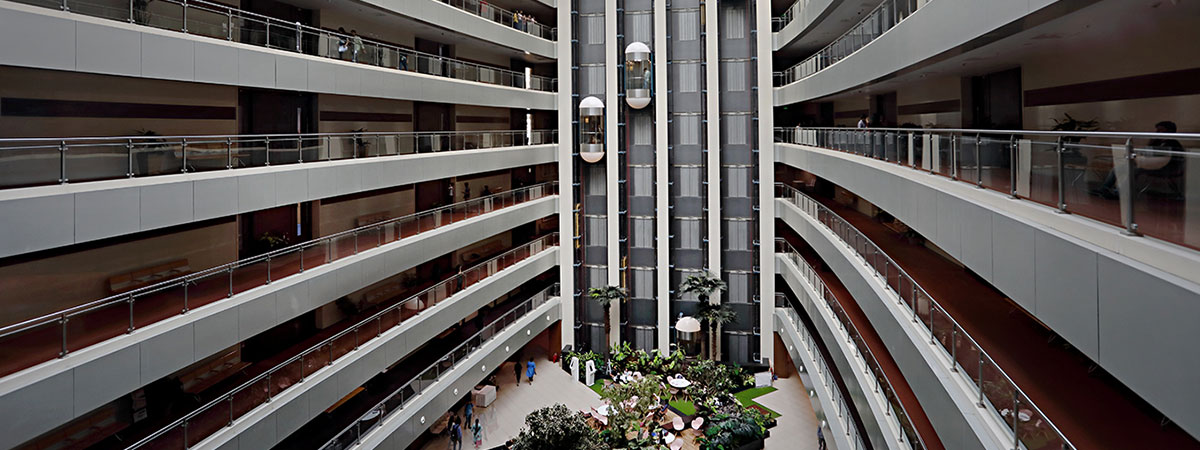
NMIMS, Mumbai
Leading private university offering BBA with industry-aligned curriculum and global exposure.
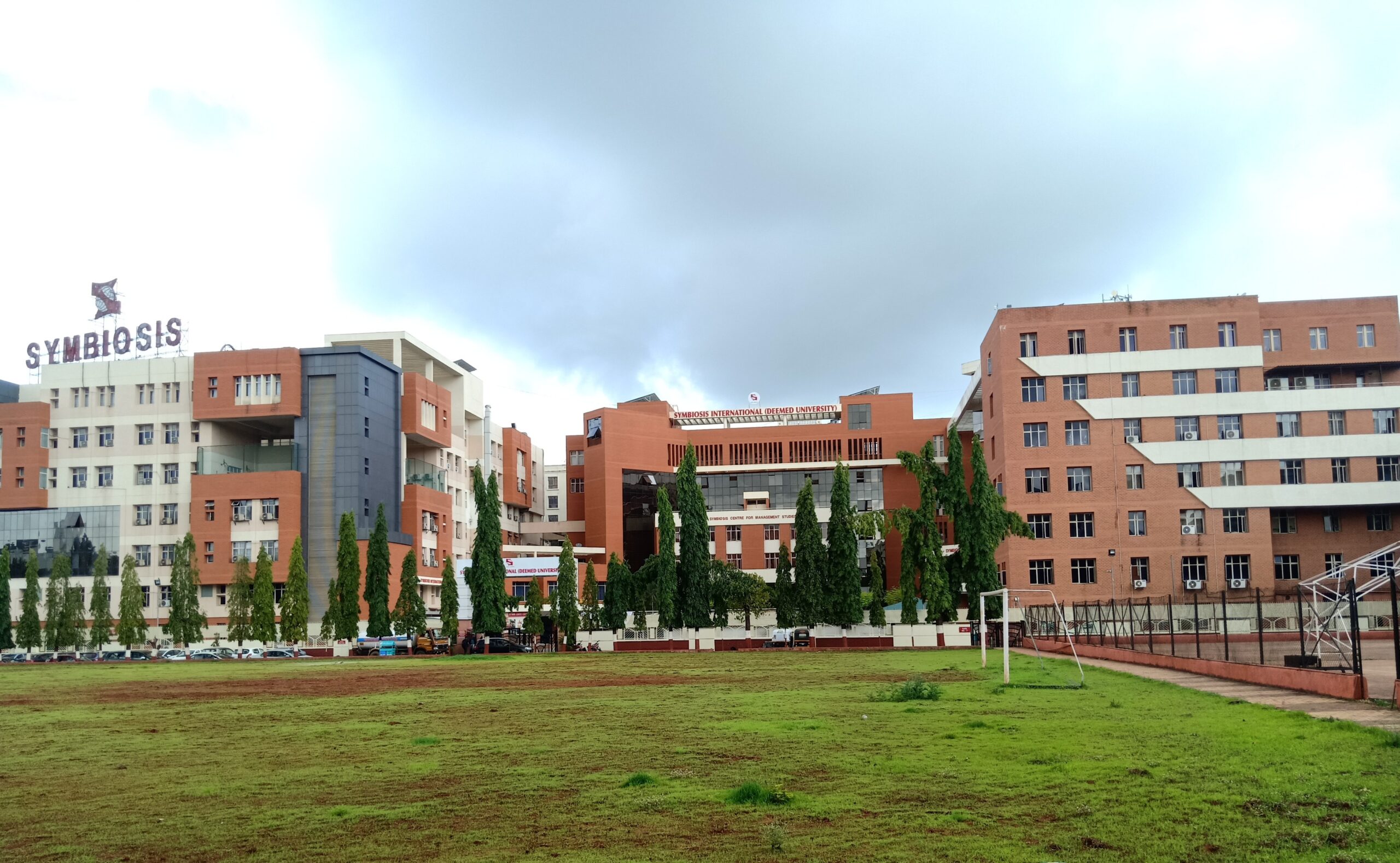
Symbiosis Centre for Management Studies, Pune
Autonomous institute under Symbiosis International University, known for BBA and international tie-ups.
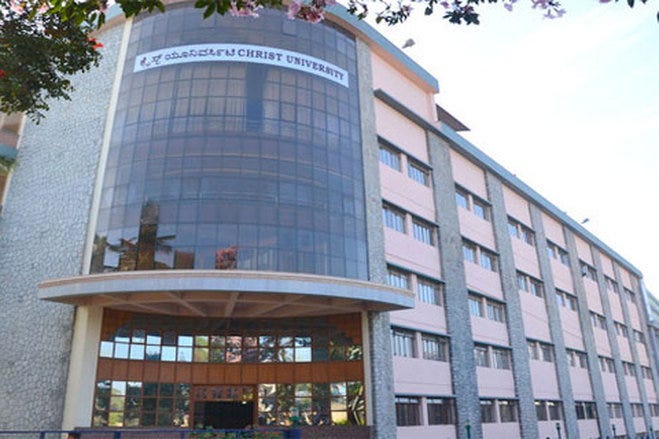
Christ University, Bangalore
Renowned for academic rigor, discipline, and placement performance in BBA programs.
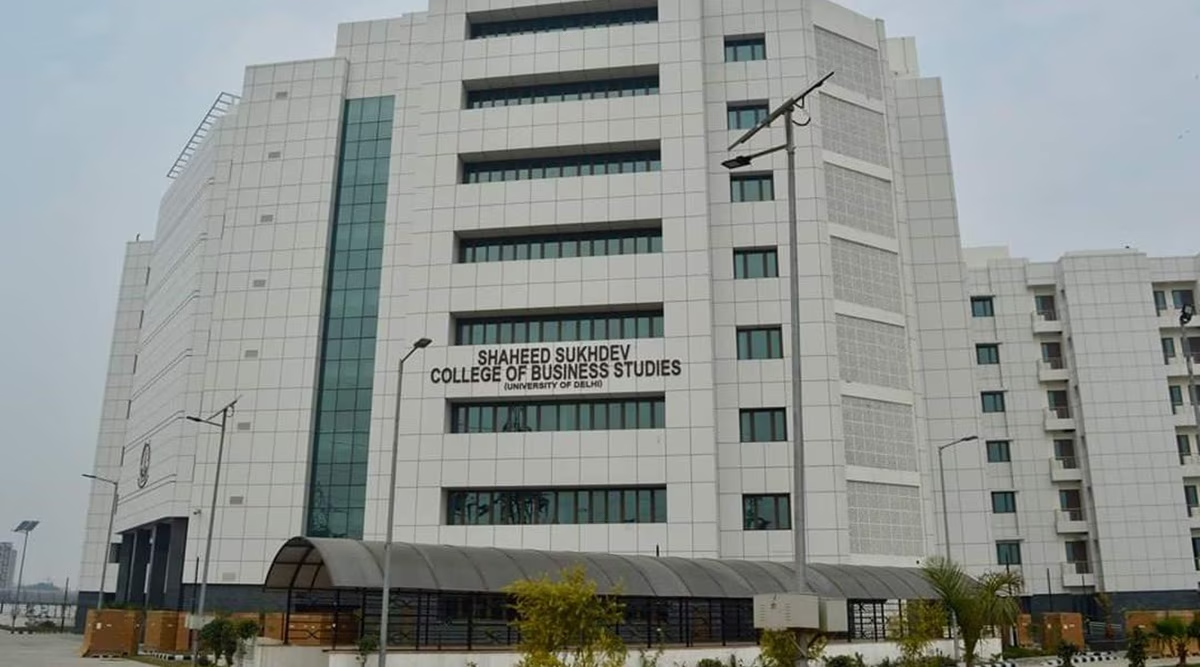
Shaheed Sukhdev College of Business Studies (SSCBS), DU
Top government institute offering BMS and BBA(FIA) with stellar placement records.

St. Xavier’s College, Mumbai
One of the most prestigious colleges in India, known for its BMS and holistic education environment.
Selection Criteria for Featured Colleges
Academic Reputation
Based on NIRF rankings, curriculum structure, and peer reviews
Placement Performance
Average salary, placement percentage, and top recruiters
Industry Linkages
Internship opportunities, live projects, and industry-academic collaborations
Global Exposure
Student exchange programs, international tie-ups, and study-abroad opportunities
Student Experience
Campus life, extracurriculars, mentorship, and innovation support
Value for Money
Course fee vs ROI, scholarships, and affordability for diverse backgrounds
Frequently Asked Questions
Here are answers to the most commonly asked questions about BBA programs, including eligibility, specializations, career scope, and salary expectations.
What is the difference between BBA and B.Com?
BBA (Bachelor of Business Administration) focuses on developing managerial, leadership, and entrepreneurial skills with a practical approach to business functions.
B.Com (Bachelor of Commerce) emphasizes finance, accounting, taxation, and theoretical foundations of commerce and economics.
Key Differences:
- Focus: BBA - Business Management; B.Com - Accounting/Commerce
- Curriculum: BBA includes HR, marketing, operations; B.Com includes finance, law, auditing
- Career Path: BBA - Corporate roles, MBA; B.Com - CA, CS, CFA, M.Com
- Approach: BBA - Practical + Soft skills; B.Com - Theory + Technical knowledge
Is Mathematics compulsory for BBA?
No, Mathematics is not compulsory for all BBA programs. However, some universities may require it depending on their admission criteria.
General Rule: Most private universities accept students from all streams. For universities like DU (BBA-FIA, BMS), math may be preferred or required.
Subjects like Business Maths, Statistics, and Economics are often part of the curriculum, so a basic understanding of numbers is helpful.
What are the job prospects after BBA?
BBA opens doors to a wide range of job roles in business and management domains.
Popular Job Roles:
- Marketing Executive
- HR Executive
- Sales Manager
- Business Analyst
- Operations Executive
- Financial Analyst
Industries Hiring BBA Graduates:
- Banking & Finance
- FMCG & Retail
- IT & Consulting
- Startups & E-commerce
Many students also opt for an MBA for better career growth.
Which BBA specialization is best?
The best specialization depends on your interest and career goals. Here are top choices:
- Marketing: Ideal for creative and communication-driven roles
- Finance: Best for those inclined towards numbers, banking, and investment
- Human Resources (HR): For those interested in people management
- Business Analytics: For data-driven decision-making roles
- International Business: Great for global career aspirations
Other options include Logistics, Entrepreneurship, and IT Management.
Can I do MBA after BBA?
Yes, MBA is the most popular postgraduate path after BBA. It helps in career advancement and better salary prospects.
Common MBA Entrance Exams:
- CAT
- XAT
- NMAT
- SNAP
- GMAT
Top IIMs, ISB, XLRI, and foreign B-schools value BBA graduates with strong aptitude and work experience.
Is BBA a good career choice?
Yes, BBA is a great career choice for those interested in management, entrepreneurship, and leadership roles.
Benefits of BBA:
- Strong foundation in business concepts
- Enhances leadership, communication, and analytical skills
- Early exposure to corporate environment
- Great stepping stone for MBA or entrepreneurship
The key is to choose the right college and specialization, and keep upgrading your skills.
What salary can I expect after BBA?
Salaries after BBA vary based on college reputation, specialization, location, and skillset.
Fresher Salaries:
- Tier-1 Colleges (IIM IPM, SSCBS): ₹7-25 LPA
- Tier-2 Colleges: ₹4-8 LPA
- Tier-3/Private Colleges: ₹2.5-5 LPA
Career Growth:
- After 3–5 years of experience + MBA: ₹10–25 LPA
- Entrepreneurs and consultants can earn even more
Upskilling through internships, certifications, and networking boosts earning potential.