Overview
Bachelor of Computer Applications (BCA) is a 3-year undergraduate degree program that equips students with a strong foundation in computer science, programming, and software development. It is one of the most popular choices for students aspiring to build a career in the ever-evolving field of information technology.
The BCA program focuses on practical application of computer science concepts and includes subjects like data structures, database management, web development, networking, and emerging technologies like cloud computing and AI. The curriculum is regularly updated to reflect the latest industry trends and technological innovations.
BCA graduates are in high demand across various industries including IT services, product development companies, finance, healthcare, and e-commerce. The degree serves as a stepping stone for higher education like MCA, MBA, or certifications in specialized tech domains.
Modern BCA programs also emphasize soft skills, project management, and communication, ensuring graduates are workplace-ready. With internships, live projects, and industry collaborations, students gain real-world exposure that adds value to their learning experience.
Whether aiming for software development, systems analysis, cybersecurity, or data analytics, BCA offers a versatile platform for launching a successful tech career.
Key Highlights
- Duration: 3 years (6 semesters)
- Eligibility: 10+2 (any stream, preferably with Mathematics or Computer Science)
- Average Fees: ₹20,000 – ₹2,50,000 per year
- Job Prospects: Software Developer, Data Analyst, Web Developer, IT Support, QA Tester
- Higher Studies: MCA, MBA, PG Diploma in AI/ML/Data Science
- Global Recognition: Accepted by international universities for PG programs
- Specializations: AI, Data Science, Cybersecurity, Web & App Development
Courses & Specializations
BCA offers a wide range of specializations to help students focus on emerging areas of technology and meet the dynamic needs of the IT industry. From core programming to advanced technologies like AI and cybersecurity, students can choose their path based on interest and career goals.
The BCA curriculum is regularly updated and structured in collaboration with industry experts to ensure that students graduate with skills that are highly relevant and job-ready. It combines theoretical knowledge with hands-on practice through projects, internships, and lab-based learning.
Core Specializations
- BCA in Computer Applications
- BCA in Software Development
- BCA in Web Development
- BCA in Database Management
- BCA in IT Infrastructure
- BCA in Networking
Advanced Technologies
- BCA in Artificial Intelligence
- BCA in Data Science
- BCA in Machine Learning
- BCA in Cloud Computing
- BCA in Cyber Security
- BCA in Internet of Things (IoT)
Design & Innovation
- BCA in UI/UX Design
- BCA in Game Development
- BCA in AR/VR Applications
- BCA in Mobile App Development
- BCA in Multimedia & Animation
Business & Analytics
- BCA in Business Analytics
- BCA in Financial Technology (FinTech)
- BCA in IT & E-Commerce
- BCA in Digital Marketing
- BCA in Management Information Systems
Emerging Specializations
With technology evolving rapidly, many institutions are offering new-age BCA specializations that align with future industry needs and global IT trends:
🤖 AI & Deep Learning
Focused on neural networks, computer vision, NLP, and building intelligent systems with real-world impact.
☁️ Cloud & DevOps
Prepares students in cloud services (AWS, Azure), CI/CD pipelines, and agile DevOps practices in IT deployments.
🔒 Blockchain & Web3
Covers blockchain architecture, smart contracts, and decentralized apps (dApps) for future-ready developers.
📊 Big Data Engineering
Equips students with skills in Hadoop, Spark, and data warehousing for large-scale data processing and analytics.
Subjects & Curriculum
The BCA curriculum is designed to offer students a solid foundation in computer science, programming, and business applications. It balances theoretical understanding with hands-on experience through coding labs, project work, and industry exposure.
Spread over six semesters, the course includes core computer subjects, emerging tech electives, soft skills training, and internships. The structure ensures students are industry-ready by graduation, with strong technical and communication skills.
Year 1 (Semesters 1-2)
Fundamentals of IT & Programming
- Computer Fundamentals & Digital Logic
- Programming in C / Python
- Mathematics for Computing
- Office Automation & Productivity Tools
- Communication Skills
- Environmental Studies / Ethics
- Basic Web Development (HTML, CSS)
Year 2 (Semesters 3-4)
Application Development & Databases
- Object-Oriented Programming (Java/C++)
- Data Structures & Algorithms
- Database Management Systems (SQL, NoSQL)
- Computer Networks
- Operating Systems
- Software Engineering
- Mini Project / Case Study
Year 3 (Semesters 5-6)
Specializations & Industry Integration
- Web Technologies / Full Stack Development
- Mobile App Development
- Cloud Computing / AI / Cyber Security (Electives)
- Business Analytics / Digital Marketing
- Major Project / Capstone
- Internship / Industry Training
- Aptitude & Placement Preparation
Assessment Methods
BCA programs assess students using a variety of evaluation techniques to ensure holistic development:
Term Exams (40%)
Theory-based written exams covering concepts, logic, and applications
Practical Labs (30%)
Hands-on coding tests, software development tasks, and lab assessments
Assignments & Quizzes (20%)
Continuous evaluation through online/offline tasks, group work, and presentations
Project Work (10%)
Semester-end individual or group projects demonstrating practical knowledge and innovation
Career Opportunities
BCA graduates have access to a wide array of career opportunities in the IT sector and beyond. The program equips students with essential technical and programming skills, making them highly employable in today’s digital-first world.
With strong foundations in software development, database management, networking, and emerging technologies like AI and cloud computing, BCA graduates are well-prepared for both entry-level jobs and long-term growth in the tech industry.
The degree also provides an excellent platform for higher studies such as MCA, MBA, or professional certifications in areas like cloud computing, cybersecurity, or data analytics.
Software & Web Development
- Software Developer – ₹4–10 LPA (Startups, MNCs, tech firms)
- Web Developer – ₹3–8 LPA (Agencies, freelance, corporate)
- Full Stack Developer – ₹5–12 LPA (Tech companies)
- UI/UX Designer – ₹4–9 LPA (Product and design teams)
Data & Analytics
- Data Analyst – ₹4–10 LPA (Finance, e-commerce, healthcare)
- Business Intelligence Executive – ₹5–12 LPA (Enterprises, startups)
- Database Administrator – ₹4–9 LPA (IT departments, cloud service providers)
Emerging Tech Roles
- Cloud Engineer – ₹6–14 LPA (AWS, Azure, GCP environments)
- Cybersecurity Analyst – ₹5–12 LPA (IT security firms, banks)
- AI/ML Developer – ₹6–15 LPA (Tech startups, R&D teams)
- Blockchain Developer – ₹7–16 LPA (Fintech, web3 startups)
Corporate & Consulting Roles
- IT Support Specialist – ₹3–6 LPA (Corporates, service centers)
- Technical Consultant – ₹5–10 LPA (ERP, CRM consulting)
- Digital Marketing Analyst – ₹3–7 LPA (Ad agencies, startups)
- Product Executive (Tech) – ₹4–9 LPA (Product-based firms)
Government & Public Sector
- SSC/UPSC IT Posts – ₹4–8 LPA (Central and state jobs)
- ISRO/DRDO Technical Assistant – ₹6–10 LPA (Defense R&D)
- Banking IT Officer – ₹5–9 LPA (Public sector banks)
- NIC Scientist/Programmer – ₹6–12 LPA (NIC, MEITY, ministries)
Entrepreneurship & Freelancing
- Freelance Developer – ₹3–12 LPA+ (Independent clients, marketplaces)
- Startup Founder (Tech Product) – Variable (Tech startups, SaaS)
- Tech Blogger/Youtuber – ₹2–10 LPA (Ad revenue, courses)
Admission Process
The admission process for BCA programs varies by institution, with most colleges accepting students either through merit-based selection or entrance exams. Knowing the eligibility and timelines is crucial for securing your spot in a reputed college.
Admissions generally begin from March onward, with entrance exams or merit lists being announced between May and July. The academic year typically starts between July and September.
Eligibility Criteria
Candidates must meet the following requirements to apply:
- Educational Qualification: 10+2 or equivalent from a recognized board
- Subject Preference: Mathematics/Computer Science preferred (some colleges accept any stream)
- Minimum Marks: 45%–50% aggregate (relaxation for reserved categories)
- Age Limit: 17–25 years (may vary slightly by institution)
- English Proficiency: English must be one of the core subjects
Types of Admission
Merit-Based Admission
Based on 12th marks; followed by counseling rounds for final allotment.
Entrance Exam Based
Colleges like IPU, Christ University, and national/state-level universities conduct entrance exams.
Direct Admission
Private universities often offer direct admission under management or general quota.
Application Process
Step-by-step process:
- Check Eligibility: Verify subject/marks requirements
- Apply Online: Fill out application forms on official college portals
- Pay Fees: Submit application fee online
- Upload Documents: Upload certificates, ID proof, photos
- Entrance Test: Appear (if applicable) and await results
- Counseling: Participate in centralized or institute-level counseling
- Seat Allotment: Confirm your seat and download admission letter
- Document Verification: Submit originals at the institution
- Final Fee Payment: Pay semester/yearly fees to confirm admission
Required Documents
- 10th & 12th Mark Sheets
- Transfer & Character Certificate
- Category Certificate (if applicable)
- Recent Passport-size Photos
- Aadhar Card or Govt ID
- Domicile/Income Certificate (if required)
- Entrance Exam Scorecard (if applicable)
Important Dates & Timeline
March - April
Application form releases & registrations open
May - June
Entrance tests, merit lists, result declarations
July - August
Counseling, seat allotments & admissions
August - September
Session starts & orientation programs
Fee Structure
The fee structure for BCA programs varies widely depending on the type of institution, its location, reputation, and facilities offered. Planning your finances in advance is essential to ensure a smooth admission and academic journey.
Along with tuition, students must account for other expenses such as hostel fees, internet charges, software tools, books, and personal expenses. Scholarships and education loans are available for eligible candidates.
| College Type | Average Annual Fees | Total Course Fee | Additional Costs |
|---|---|---|---|
| Government Colleges | ₹10,000 - ₹60,000 | ₹30,000 - ₹1,80,000 | ₹20,000 - ₹40,000 |
| Private Colleges | ₹50,000 - ₹2,50,000 | ₹1,50,000 - ₹7,50,000 | ₹40,000 - ₹90,000 |
| Deemed Universities | ₹80,000 - ₹3,00,000 | ₹2,40,000 - ₹9,00,000 | ₹60,000 - ₹1,20,000 |
| International Universities | ₹5,00,000 - ₹15,00,000 | ₹15,00,000 - ₹45,00,000 | ₹2,00,000 - ₹5,00,000 |
Detailed Cost Breakdown
Academic Expenses
- Tuition Fees: ₹10,000 - ₹3,00,000 per year
- Software & Lab Access: ₹5,000 - ₹20,000 per year
- Library & Tech Resources: ₹2,000 - ₹7,000 per year
- Exam & Registration Fees: ₹2,000 - ₹10,000 per year
- Books & Study Material: ₹6,000 - ₹15,000 per year
Living Expenses
- Hostel/PG: ₹30,000 - ₹1,20,000 per year
- Food & Mess: ₹25,000 - ₹60,000 per year
- Internet & Devices: ₹8,000 - ₹20,000 per year
- Personal Expenses: ₹15,000 - ₹30,000 per year
Financial Aid Options
- Merit Scholarships: Up to 100% tuition waiver
- State/Central Govt Schemes: Up to ₹50,000 per year
- Private Scholarships: Offered by NGOs, foundations
- Education Loans: ₹50,000 – ₹10,00,000 at low interest
Miscellaneous Costs
- Online Course Subscriptions: ₹2,000 - ₹10,000 per year
- Workshop & Certifications: ₹5,000 - ₹20,000 per year
- Field Trips & Industrial Visits: ₹3,000 - ₹10,000 per year
- Extracurricular Activities: ₹2,000 - ₹8,000 per year
Note: All figures are approximate and may vary depending on location, college reputation, and course specialization. Always check the official website of the institution for the latest fee structure and aid options.
Course Comparison
Choosing the right undergraduate program can significantly shape your career. Here’s a comprehensive comparison of BCA with other popular undergraduate courses to help you evaluate your options based on interest areas, skills, and career goals.
| Course | Duration | Focus Area | Career Scope | Average Salary | Higher Studies |
|---|---|---|---|---|---|
| BCA | 3 years | Computer Applications, Programming | Software Development, IT Services | ₹3-15 LPA | MCA, MBA, M.Sc IT |
| B.Tech (CSE/IT) | 4 years | Engineering, Computer Science | Tech Giants, Product Development | ₹4-25 LPA | M.Tech, MBA, MS |
| B.Sc (Computer Science) | 3 years | Computer Science Fundamentals | Academia, IT Support, Research | ₹3-12 LPA | M.Sc CS, MCA, Ph.D |
| BBA | 3 years | Business Management | Marketing, HR, Finance | ₹3-10 LPA | MBA, PGDM |
| B.Com | 3 years | Commerce, Accounting, Taxation | Banking, CA, Auditing | ₹2-8 LPA | M.Com, CA, MBA, CS |
| B.Sc (IT) | 3 years | Information Technology | IT Support, Networking, QA | ₹3-10 LPA | M.Sc IT, MCA |
Course Analysis
BCA vs B.Tech (CSE)
Choose BCA if: You want a focused program in software development and IT, with less emphasis on engineering mathematics and hardware.
Choose B.Tech (CSE) if: You want a deeper and more technical understanding of computer engineering, with wider career scope in core technology companies.
BCA vs B.Sc (CS)
Choose BCA if: You're interested in application-level programming, software development, and practical IT skills.
Choose B.Sc CS if: You want a more theoretical foundation in computer science and research-oriented future.
BCA vs B.Sc (IT)
Choose BCA if: You want a well-rounded understanding of both software development and business-related IT functions.
Choose B.Sc IT if: You're looking for a stronger emphasis on system administration, networking, and data management.
BCA vs BBA
Choose BCA if: You're passionate about technology, software, and digital systems with an aim to enter the tech industry.
Choose BBA if: You're inclined toward leadership, business operations, and managerial roles in any sector.
Popular Colleges
India hosts a wide array of reputed institutions offering BCA programs with strong academic frameworks, modern infrastructure, and placement support. These colleges are known for industry-aligned curriculum, experienced faculty, and career-focused education in the field of computer applications.
Christ University
Location: Bangalore, Karnataka | NIRF Ranking: 13 (2023)
Fee Range: ₹1,50,000 - ₹2,00,000 per year
Specializations: Cloud Computing, Data Analytics, Cybersecurity
Notable Features: High placement rates, international exposure, industry tie-ups
Symbiosis Institute of Computer Studies & Research (SICSR)
Location: Pune, Maharashtra | NIRF Ranking: 32 (2023)
Fee Range: ₹1,80,000 - ₹2,50,000 per year
Specializations: IT Infrastructure, Web Technology, Database Management
Notable Features: Symbiosis legacy, excellent placements, cutting-edge curriculum
Loyola College
Location: Chennai, Tamil Nadu | NIRF Ranking: 7 (2023)
Fee Range: ₹40,000 - ₹90,000 per year
Specializations: Computer Applications, Multimedia, Networking
Notable Features: Historic institution, strong academic reputation, campus recruitment
Madras Christian College (MCC)
Location: Chennai, Tamil Nadu | NIRF Ranking: 17 (2023)
Fee Range: ₹50,000 - ₹1,20,000 per year
Specializations: Software Engineering, System Administration
Notable Features: Interdisciplinary approach, campus placements, legacy institution
Amity University
Location: Noida, Uttar Pradesh | NIRF Ranking: 31 (2023)
Fee Range: ₹1,20,000 - ₹2,50,000 per year
Specializations: AI & ML, Cybersecurity, Blockchain
Notable Features: State-of-the-art labs, international exposure, tech-oriented curriculum
Indira Gandhi National Open University (IGNOU)
Location: New Delhi | NIRF Ranking: Not Applicable (Open University)
Fee Range: ₹6,000 - ₹7,200 per year
Specializations: General Computer Applications
Notable Features: Flexible learning, affordable fees, recognized degree
Jamia Hamdard University
Location: New Delhi | NIRF Ranking: 74 (2023)
Fee Range: ₹70,000 - ₹1,20,000 per year
Specializations: IT, Programming, Database Systems
Notable Features: Reputed faculty, government-funded, scholarships available
SRM Institute of Science and Technology
Location: Chennai, Tamil Nadu | NIRF Ranking: 28 (2023)
Fee Range: ₹1,25,000 - ₹2,75,000 per year
Specializations: AI, Full Stack Development, Data Science
Notable Features: Modern infrastructure, international tie-ups, innovation-driven
State-wise Top Colleges
North India
- Amity University (Noida, UP)
- Jamia Hamdard University (Delhi)
- GGSIPU (Delhi)
- Punjab University (Chandigarh)
West India
- SICSR, Symbiosis (Pune)
- MIT-WPU (Pune)
- GLS University (Ahmedabad)
- NIMS University (Jaipur)
East India
- Utkal University (Odisha)
- St. Xavier’s College (Ranchi)
- Patna Women's College (Bihar)
- Maulana Mazharul Haque Arabic and Persian University (Patna)
South India
- Christ University (Bangalore)
- Loyola College (Chennai)
- SRM University (Chennai)
- VIT Vellore
Central India
- Barkatullah University (Bhopal)
- Makhanlal Chaturvedi University (Bhopal)
- ITM University (Gwalior)
- Rani Durgavati University (Jabalpur)
North-East India
- Tezpur University (Assam)
- Assam Downtown University (Guwahati)
- Manipur University (Imphal)
- Tripura University (Agartala)
Top Entrance Exams
For BCA aspirants, entrance exams are conducted by universities and institutions to assess aptitude in logical reasoning, mathematics, computer fundamentals, and general awareness. Preparing for these exams with a strategic approach increases the chances of securing admission in top colleges.
CUET (Common University Entrance Test)
Purpose: Admission to BCA programs in central, state, and private universities
Exam Date: May-June | Application: March-April
Subjects: General Test, Logical Reasoning, Computer Science (optional), English
Participating Universities: Delhi University, BHU, JMI, and 200+ others
IPU CET (Indraprastha University Common Entrance Test)
Purpose: Admission to BCA courses offered by Guru Gobind Singh Indraprastha University and affiliated colleges
Exam Date: April-May | Application: March
Subjects: Mathematics, Computer Awareness, English Language & Comprehension, General Knowledge
Colleges: Maharaja Agrasen Institute, VIPS, etc.
SET (Symbiosis Entrance Test)
Purpose: Admission to BCA at Symbiosis Institute of Computer Studies & Research (SICSR)
Exam Date: May | Application: February-April
Subjects: Logical Reasoning, Quantitative Aptitude, English, General Awareness
Location: Pune, Maharashtra
Christ University Entrance Test
Purpose: Admission to BCA program at Christ University, Bangalore
Exam Date: April-May | Application: January-March
Subjects: Fundamental Math, Reasoning, English, Data Analysis
Mode: Online Test + Interview
NMIMS NPAT
Purpose: Admission to BCA and B.Sc IT at NMIMS Mumbai and other campuses
Exam Date: January-May | Application: December-April
Subjects: Quantitative & Numerical Ability, Reasoning, English Proficiency
Campuses: Mumbai, Navi Mumbai, Indore, Hyderabad
AMITY Entrance Test
Purpose: Admission to BCA at Amity University campuses
Exam Date: Rolling admissions | Application: December onwards
Subjects: English, Logical Reasoning, Computer Awareness
Mode: Online Test/Interview
State-Level Entrance Exams
Maharashtra CET
Used by some universities for BCA admissions in Maharashtra
Subjects: Logical Reasoning, Math, English, General Knowledge
UPSEE (Now CUET-based)
BCA admissions in AKTU-affiliated colleges are now through CUET
BHU UET (Now through CUET)
Banaras Hindu University now admits BCA students through CUET
Punjab University CET
For BCA admissions in PU and affiliated colleges
Odisha CPET
Common entrance for UG programs including BCA in Odisha colleges
Preparation Tips
Study Strategy
- Start early with basics of Mathematics and Logical Reasoning
- Revise Computer Fundamentals and general IT knowledge
- Practice previous year papers and take online mock tests
- Stay updated on current affairs and general knowledge
Time Management
- Create a study timetable with daily topic targets
- Allocate more time to your weak subjects
- Take regular breaks and track your progress weekly
- Use flashcards and short quizzes for quick revisions
Featured Colleges
These institutions are recognized for delivering top-quality BCA programs in India, offering strong academic foundations, modern computer labs, industry tie-ups, and excellent placements.
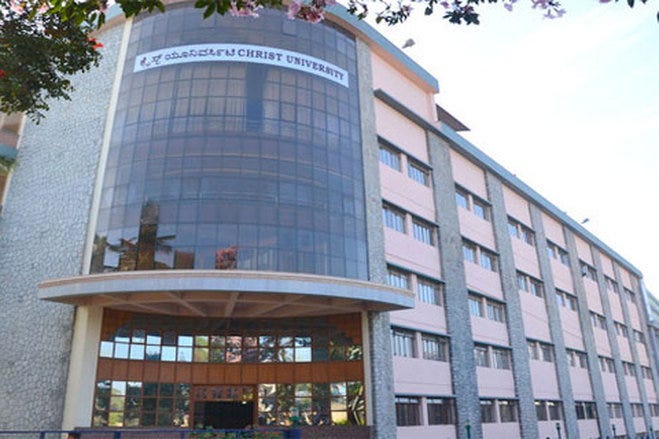
Christ University, Bangalore
Top private university with industry-aligned BCA curriculum and strong placement record.
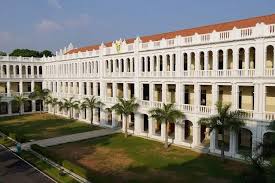
Loyola College, Chennai
Autonomous institution known for its tech-focused BCA program and reputed faculty.
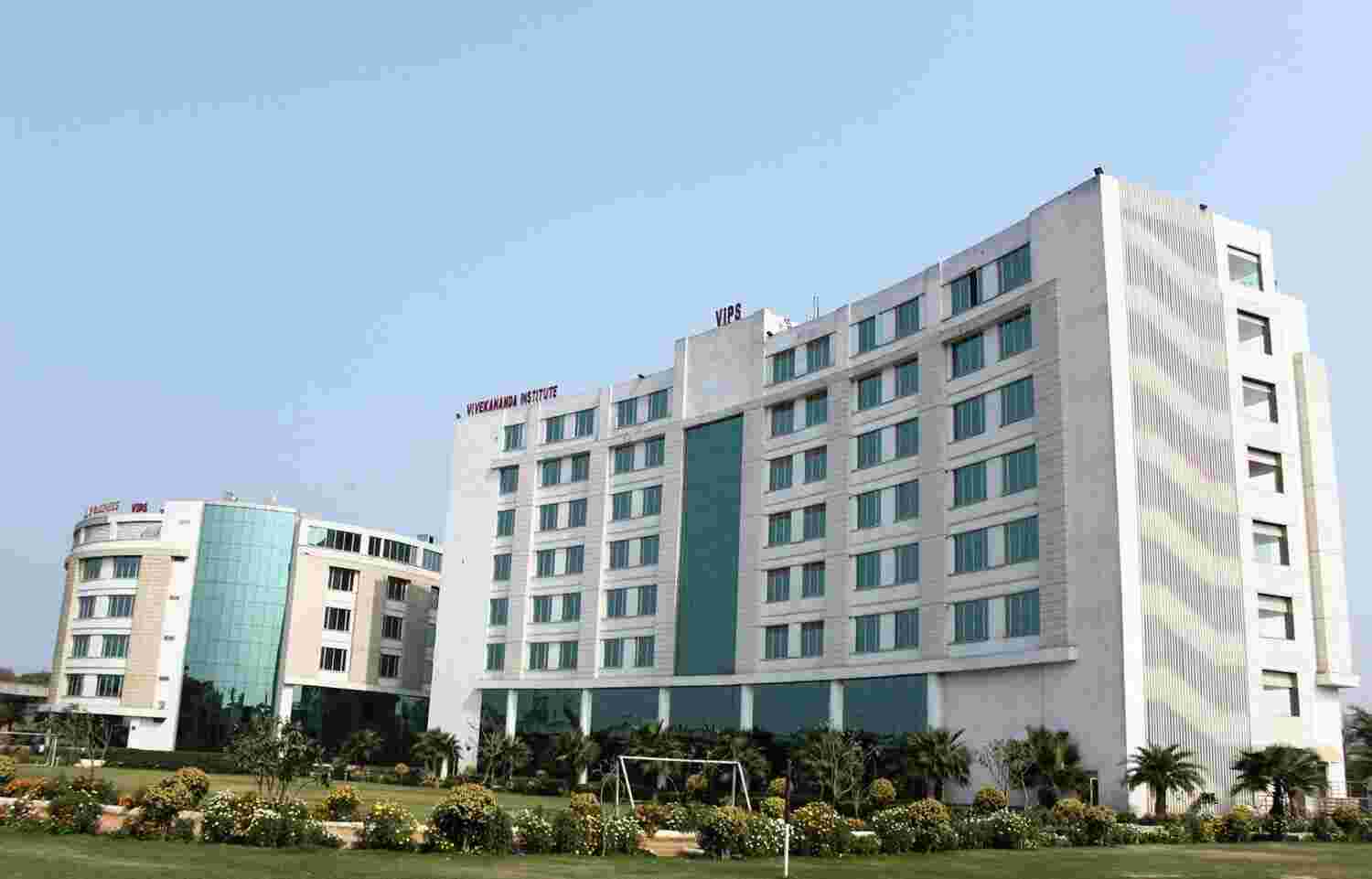
VIPS, Delhi (IPU)
Top IPU-affiliated college with strong emphasis on software development and industry integration.
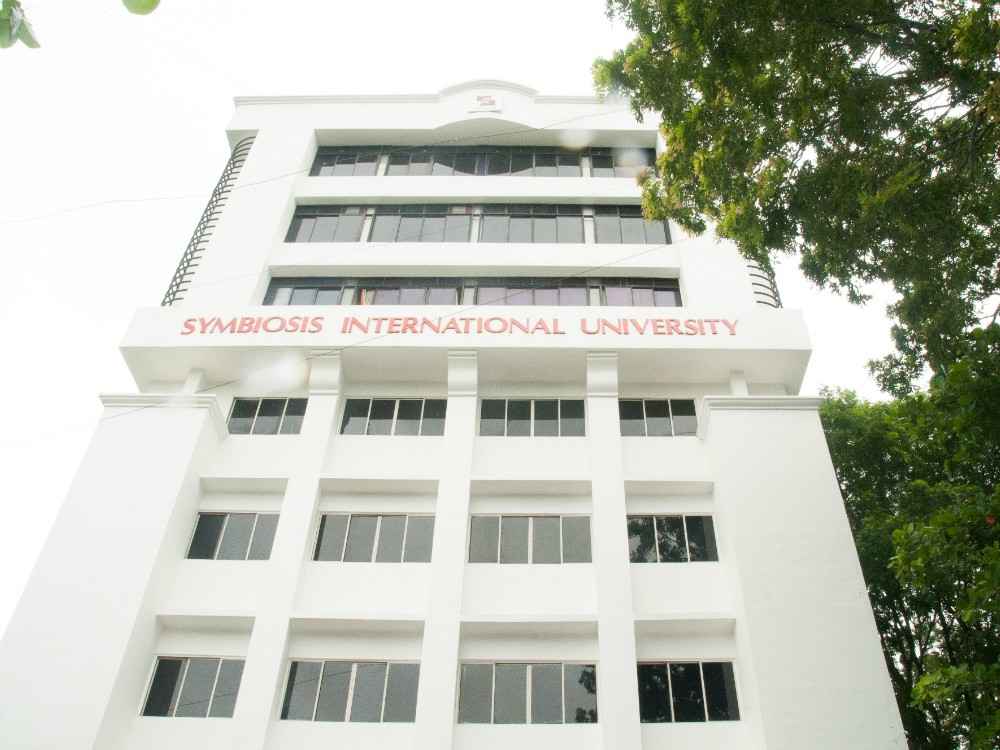
SICSR, Symbiosis Pune
Offers BCA with a blend of business computing, system design, and real-world exposure.
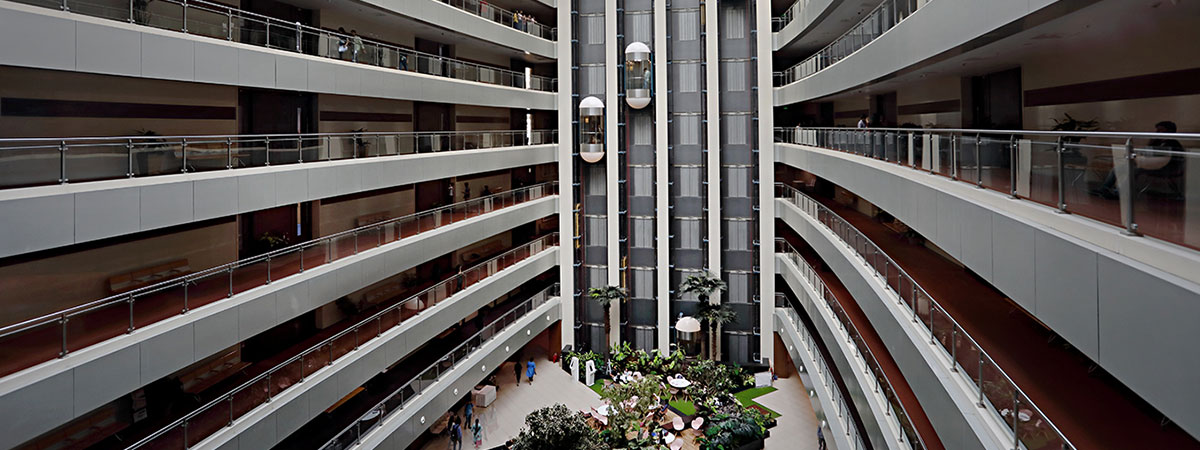
NMIMS, Mumbai
Renowned for its BCA and B.Sc IT programs with corporate tie-ups and experiential learning.
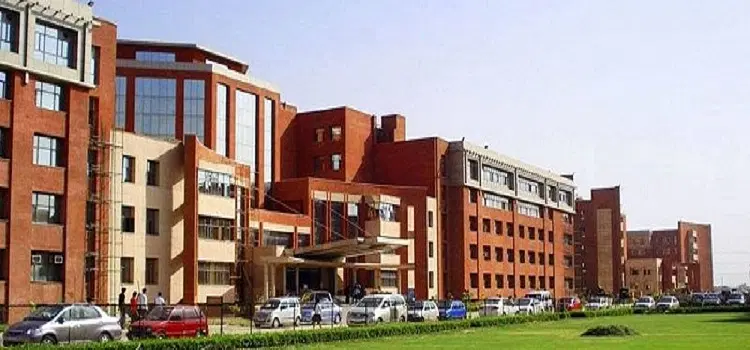
Amity University, Noida
Private institution offering modern BCA specializations like AI, Cybersecurity, and Cloud Computing.
Selection Criteria for Featured Colleges
Academic Excellence
Program relevance, faculty quality, accreditation, and tech-oriented curriculum
Placement Record
Average package, companies visiting campus, internship opportunities
Infrastructure
Computer labs, coding facilities, high-speed internet, smart classrooms
Industry Interface
MOUs with IT companies, industrial visits, hackathons, coding competitions
Affordability
Program fee, scholarships, education loan support, cost-to-value ratio
Urban Advantage
Location near tech hubs, startup exposure, and career networking opportunities
Frequently Asked Questions
Here are detailed answers to the most commonly asked questions about the BCA program, including admissions, career opportunities, higher studies, and industry relevance.
What is the difference between BCA and B.Tech (CSE)?
BCA is a 3-year undergraduate program focusing on application-level computer science like software development, programming, and IT management. B.Tech in CSE is a 4-year engineering program with in-depth focus on hardware, system design, algorithms, and core computing principles.
Key Differences:
- Duration: BCA – 3 years, B.Tech – 4 years
- Focus: BCA – Software and IT applications, B.Tech – Core engineering and computing systems
- Math Requirement: BCA – Some colleges don’t require Maths in 12th, B.Tech – Maths is mandatory
- Career: BCA – Software developer, IT executive, web designer; B.Tech – Software engineer, system architect, R&D
Can I do BCA without Mathematics in 12th?
Yes, many universities allow students from commerce or arts backgrounds to pursue BCA without Mathematics. However, some universities (especially government or tier-1 institutions) require Mathematics or Computer Science in 12th.
It’s always best to check the specific eligibility criteria of the college/university.
What are the job opportunities after BCA?
BCA graduates have numerous opportunities in the IT and tech industry, both in India and abroad.
Popular Job Roles:
- Software Developer / App Developer
- Web Developer / UI Designer
- System Analyst / Support Executive
- Database Administrator
- IT Support / Technical Assistant
Top Employers: TCS, Infosys, Wipro, Accenture, Cognizant, IBM, HCL, Tech Mahindra
Average Salary: ₹3-8 LPA for freshers
Is BCA a good course for future career growth?
Yes, BCA is a future-proof course given the demand for software and IT professionals globally.
Career Growth Path:
- Software Developer → Senior Developer → Team Lead → Tech Manager
- Support Executive → System Admin → Network Engineer
- Web Developer → UI/UX Expert → Product Designer
With the right skills and certifications, BCA grads can enter fields like Data Science, Cybersecurity, AI/ML, and Cloud Computing.
What higher studies can I pursue after BCA?
BCA is a strong foundation for further education in both technical and managerial domains.
Popular Higher Study Options:
- MCA – Master in Computer Applications
- M.Sc IT / Computer Science
- MBA in IT / Operations / Business Analytics
- Postgraduate diplomas in Cloud Computing, Cybersecurity, AI/ML
These help boost technical expertise or transition into leadership/managerial roles in tech industries.
Is BCA valid for studying abroad?
Yes, BCA is accepted by many international universities for postgraduate programs.
Study Abroad Options After BCA:
- USA: MS in CS/IT, MBA (STEM), Bootcamps
- Canada: PG Diplomas, MS, MBA
- UK & Australia: 1-year master's programs
- Germany: Technical MS programs, often low-cost
Requirements: Good GPA, English proficiency (IELTS/TOEFL), GRE (for some programs)
What is the average salary after BCA?
Salaries depend on your skills, college, and role, but here's a general overview:
Freshers (0-2 years):
- IT Support / Analyst: ₹3-4 LPA
- Web/App Developer: ₹4-6 LPA
- Software Engineer: ₹4.5-8 LPA
- Startups / Product Roles: ₹6-12 LPA (for skilled coders)
Mid-Level (5-10 years): ₹8-20 LPA depending on expertise and role
Top Companies (with MCA or MBA): ₹12-25+ LPA