
Overview
Bachelor of Science in Nursing (B.Sc Nursing) is a 4-year undergraduate degree program designed to train students in providing comprehensive medical care, clinical assistance, and health education. It is ideal for those passionate about patient care and looking to build a career in the healthcare and medical sectors.
The B.Sc Nursing curriculum blends theoretical knowledge with practical clinical experience. Core subjects include anatomy, physiology, nutrition, microbiology, pharmacology, community health, and mental health nursing. Students also undergo mandatory internships and hospital rotations for hands-on learning.
B.Sc Nursing graduates are in high demand in hospitals, clinics, rehabilitation centers, NGOs, and public health departments. With India’s growing healthcare infrastructure and global demand for skilled nurses, the course offers excellent domestic and international job prospects.
Beyond clinical roles, nursing graduates can pursue careers in education, healthcare administration, or specialized areas like critical care, pediatric, or psychiatric nursing. Further studies such as M.Sc Nursing or foreign certifications can greatly expand career growth.
This course fosters compassion, technical knowledge, communication skills, and ethical care, shaping students into capable healthcare professionals ready to meet global standards.
Key Highlights
- Duration: 4 years (8 semesters)
- Eligibility: 10+2 (Science with Biology, minimum 45-50%)
- Average Fees: ₹25,000 – ₹2,00,000 per year
- Job Prospects: Staff Nurse, ICU Nurse, Community Health Officer, Nurse Educator
- Higher Studies: M.Sc Nursing, MPH, Hospital Management
- Global Recognition: Accepted for nursing licensure abroad (NCLEX, HAAD, DHA, etc.)
- Specializations: Pediatric, Psychiatric, Critical Care, Surgical, Midwifery
Courses & Specializations
B.Sc Nursing equips students with comprehensive knowledge and clinical skills essential for professional nursing practice. The course includes both theoretical and practical components, focusing on patient care, medical ethics, and community health.
Students undergo hands-on training through hospital internships and clinical rotations in areas such as medical-surgical, pediatric, psychiatric, and community health nursing. Some institutions also offer elective specializations or advanced certification modules to align with evolving healthcare needs.
Core Subjects
- Anatomy & Physiology
- Nutrition & Biochemistry
- Microbiology
- Psychology
- Nursing Foundations
- Medical-Surgical Nursing
Advanced Clinical Areas
- Child Health Nursing
- Mental Health Nursing
- Community Health Nursing
- Obstetrics & Gynecological Nursing
- Critical Care Nursing
- Emergency & Trauma Nursing
Healthcare Management
- Nursing Research & Statistics
- Nursing Administration
- Health Education & Communication
- Hospital Management Basics
- Ethics & Legal Aspects in Nursing
Internship Areas
- General Hospitals
- Pediatric Wards
- Psychiatric Clinics
- Rural/Community Health Centers
- Maternity & Delivery Units
Emerging Focus Areas
To meet global healthcare demands, some universities now offer specialized tracks or certifications in:
💻 Telehealth & e-Nursing
Training nurses in virtual patient care, remote monitoring, and health informatics.
🧠 Psychiatric & Mental Health
Focused on mental health care, counseling, and crisis intervention for diverse age groups.
🧬 Geriatric & Palliative Care
Addresses care for aging populations and terminally ill patients with compassion and dignity.
🌍 Global Health & Public Policy
Prepares students for roles in international NGOs, WHO, and public health planning bodies.
Subjects & Curriculum
The B.Sc Nursing curriculum is designed to equip students with both theoretical knowledge and practical skills in patient care, medical sciences, and community health. The program is spread over four years, including clinical internships, and follows guidelines from INC (Indian Nursing Council).
Students gain exposure to subjects like anatomy, pharmacology, psychology, and various specialties of nursing. The training is holistic—focusing on physical, mental, and emotional aspects of patient care.
Year 1
Basic Sciences & Nursing Foundations
- Human Anatomy & Physiology
- Microbiology
- Psychology
- Nutrition & Biochemistry
- Nursing Foundations (Theory + Practical)
- English Communication
Year 2
Medical & Surgical Nursing
- Sociology
- Pharmacology
- Pathology & Genetics
- Medical-Surgical Nursing I (Theory + Clinical)
- Community Health Nursing I
- Communication & Educational Technology
Year 3
Specialized Nursing Disciplines
- Child Health Nursing
- Mental Health Nursing
- Medical-Surgical Nursing II
- Community Health Nursing II
- Midwifery & Obstetrical Nursing (Part I)
- Research & Statistics
Year 4
Internship & Professional Readiness
- Midwifery & Obstetrical Nursing (Part II)
- Nursing Research Project
- Management of Nursing Services & Education
- Integrated Clinical Practice (Internship)
- Comprehensive Review & Viva
Assessment Methods
B.Sc Nursing students are assessed through theoretical exams, clinical evaluations, and skill-based checklists:
Theory Exams (40%)
Written papers conducted by university or INC-affiliated board
Clinical Practicals (40%)
Hands-on patient care, nursing procedures, and case presentations
Assignments & Seminars (10%)
Topic-wise presentations, journal work, and group discussions
Internship & Logbook (10%)
Final-year internship review and evaluation by clinical mentors
Career Opportunities
B.Sc Nursing graduates enjoy excellent career prospects in both public and private healthcare sectors. The degree equips students with clinical expertise, critical thinking, and compassionate patient care skills—making them integral to the healthcare system.
With opportunities ranging from hospital care to community health and research, nursing is a highly respected and in-demand profession globally. B.Sc Nursing also serves as a solid base for higher studies like M.Sc Nursing, MPH, or management courses in healthcare.
Graduates can also prepare for government exams or pursue international nursing certifications to explore global healthcare careers.
Hospital & Clinical Roles
- Staff Nurse – ₹2.8–5 LPA (Private & government hospitals)
- ICU/OT Nurse – ₹3.5–6 LPA (Critical care & surgical units)
- Pediatric/NICU Nurse – ₹3–6 LPA (Children’s hospitals, NICUs)
- Emergency/Trauma Nurse – ₹4–7 LPA (Casualty & trauma centers)
Public Health & Government Jobs
- Community Health Officer (CHO) – ₹4–6 LPA (NHM, PHCs)
- ANM/GNM Supervisor – ₹3–5 LPA (District health offices)
- Railway/ESIC/Defense Nurse – ₹5–8 LPA (Central govt jobs)
- UPSC/SSC Health Services – ₹5–9 LPA (Administrative roles)
Higher Studies & Academic Careers
- M.Sc Nursing – Specialize in fields like Psychiatry, Medical-Surgical, Obstetrics
- Nursing Tutor – ₹4–6 LPA (Nursing colleges, universities)
- Clinical Instructor – ₹4–7 LPA (Teaching hospitals)
- Ph.D in Nursing – Research & academic leadership roles
Overseas Opportunities
- Registered Nurse (RN) – ₹25–50 LPA (USA, Canada, UK, Germany)
- Healthcare Assistant / Carer – ₹15–30 LPA (Australia, Ireland)
- Exam Prep: NCLEX (USA), OET, IELTS, HAAD, DHA, MOH, CBT (UK)
- Bridge Programs: Adaptation courses for overseas licensing
Corporate & Allied Careers
- Medical BPO/KPO Executive – ₹3–5 LPA (Clinical process, insurance)
- Clinical Research Associate – ₹4–7 LPA (Pharma companies, CROs)
- Hospital Administrator – ₹5–10 LPA (With MBA in Hospital Management)
- Healthcare Content Specialist – ₹3–6 LPA (Edtech, content agencies)
Admission Process
The admission process for B.Sc Nursing programs in India typically involves a combination of entrance exams, merit lists, and centralized counseling. Candidates must fulfill the eligibility criteria and apply within the specified timeline to secure admission.
Admissions usually begin in April or May, with entrance exams conducted from May to July, and classes commencing between August and October depending on the university or state authority.
Eligibility Criteria
Candidates must meet the following requirements:
- Educational Qualification: 10+2 with Physics, Chemistry, Biology, and English
- Minimum Marks: 45%–50% aggregate in PCB (relaxation for reserved categories)
- Age Limit: 17 years minimum by December 31 of the admission year
- Gender: Open to both male and female candidates (co-ed in most colleges)
- Medical Fitness: Candidates must be medically fit
Types of Admission
Entrance-Based Admission
Through exams like NEET, AIIMS B.Sc Nursing, JIPMER, state-level CETs, or university-level tests.
Merit-Based Admission
Based on 12th PCB marks; common in private and some deemed universities.
Direct Admission
Offered by private colleges through management quota or spot counseling rounds.
Application Process
Step-by-step process:
- Check Eligibility: Ensure required subjects and minimum marks
- Apply Online: Visit university/state authority websites
- Upload Documents: 10+2 marksheets, photo, signature
- Entrance Test: Appear for NEET or other entrance exam (if required)
- Merit List/Result: Wait for rank or selection list
- Counseling: Participate in online or offline counseling rounds
- Seat Allotment: Lock choice and download allotment letter
- Document Verification: Submit originals during reporting
- Final Admission: Pay fees and join the college
Required Documents
- 10th & 12th Mark Sheets
- Transfer & Conduct Certificate
- Category Certificate (if applicable)
- Domicile & Income Certificate (if required)
- Passport-size Photos
- Medical Fitness Certificate
- NEET/Entrance Exam Scorecard (if applicable)
Important Dates & Timeline
April - May
Application forms open (college/state level)
May - July
Entrance exams, merit lists, and result announcements
July - September
Counseling rounds and seat allotment
August - October
Final admission and session commencement
Fee Structure
The fee structure for B.Sc Nursing programs depends on whether the institution is government-run, private, or deemed. While government colleges are more affordable, private and deemed universities may have higher fees due to advanced infrastructure and clinical training facilities.
Additional costs include hostel accommodation, uniforms, clinical kits, books, and transportation to hospitals. Scholarships and education loans are available for deserving candidates.
| College Type | Average Annual Fees | Total Course Fee | Additional Costs |
|---|---|---|---|
| Government Colleges | ₹8,000 - ₹50,000 | ₹32,000 - ₹2,00,000 | ₹25,000 - ₹40,000 |
| Private Colleges | ₹60,000 - ₹2,50,000 | ₹2,40,000 - ₹10,00,000 | ₹40,000 - ₹90,000 |
| Deemed Universities | ₹1,00,000 - ₹3,00,000 | ₹4,00,000 - ₹12,00,000 | ₹50,000 - ₹1,20,000 |
| International Universities | ₹4,00,000 - ₹12,00,000 | ₹16,00,000 - ₹48,00,000 | ₹2,00,000 - ₹5,00,000 |
Detailed Cost Breakdown
Academic Expenses
- Tuition Fees: ₹10,000 - ₹3,00,000 per year
- Clinical Training & Hospital Fees: ₹10,000 - ₹30,000 per year
- Uniforms & Nursing Kits: ₹5,000 - ₹15,000 per year
- Exam & Registration Fees: ₹2,000 - ₹8,000 per year
- Books & Study Material: ₹6,000 - ₹12,000 per year
Living Expenses
- Hostel/PG: ₹30,000 - ₹1,00,000 per year
- Food & Mess: ₹25,000 - ₹50,000 per year
- Transport (Hospital Rounds): ₹10,000 - ₹20,000 per year
- Personal Expenses: ₹10,000 - ₹25,000 per year
Financial Aid Options
- Merit Scholarships: Up to 100% tuition waiver
- State Nursing Council Grants: ₹10,000 - ₹50,000 per year
- Central Govt Schemes (NSP): Based on income & category
- Bank Education Loans: ₹50,000 – ₹7,00,000
Miscellaneous Costs
- Medical Insurance: ₹1,000 - ₹5,000 per year
- Field Visits / Workshops: ₹3,000 - ₹8,000 per year
- Online Courses (CPR, First Aid): ₹2,000 - ₹5,000
- Extracurricular / Events: ₹2,000 - ₹6,000
Note: Fees vary by institution and location. Refer to the official college website for accurate and up-to-date information.
Course Comparison
Choosing the right undergraduate healthcare program is crucial for your future career in the medical and allied fields. Below is a comparison of B.Sc Nursing with other popular healthcare-related undergraduate courses to help you make an informed decision.
| Course | Duration | Focus Area | Career Scope | Average Salary | Higher Studies |
|---|---|---|---|---|---|
| B.Sc Nursing | 4 years | Patient Care, Clinical Training, Medical Science | Hospitals, Clinics, Armed Forces, NGOs | ₹3–8 LPA | M.Sc Nursing, MPH, MBA Hospital Management |
| GNM | 3.5 years | General Nursing & Midwifery | Hospitals, PHCs, Nursing Homes | ₹2.5–6 LPA | B.Sc Nursing (Post Basic), M.Sc Nursing |
| BPT | 4.5 years | Physiotherapy, Rehabilitation | Hospitals, Sports Clinics, Rehab Centers | ₹3–7 LPA | MPT, MBA Healthcare |
| B.Pharm | 4 years | Pharmaceutical Sciences | Pharma Industry, Drug Stores, R&D | ₹3–10 LPA | M.Pharm, MBA Pharma Management |
| BMLT | 3 years | Lab Technology, Diagnostics | Hospitals, Labs, Diagnostic Chains | ₹2.5–6 LPA | MMLT, M.Sc in Medical Lab Technology |
| MBBS | 5.5 years | Medicine, Surgery | Doctors in Hospitals/Clinics/Research | ₹6–20+ LPA | MD/MS, Diplomate of National Board (DNB) |
Course Analysis
B.Sc Nursing vs GNM
Choose B.Sc Nursing if: You seek a comprehensive, degree-level program with better career growth and eligibility for higher studies.
Choose GNM if: You prefer a shorter and more practical route to enter nursing roles quickly.
B.Sc Nursing vs BPT
Choose B.Sc Nursing if: You want to work in patient care, critical care units, or community health.
Choose BPT if: You’re more inclined toward physical rehabilitation and mobility sciences.
B.Sc Nursing vs B.Pharm
Choose B.Sc Nursing if: You enjoy working closely with patients in clinical settings.
Choose B.Pharm if: You’re interested in drug formulation, pharmacology, and the pharmaceutical industry.
B.Sc Nursing vs BMLT
Choose B.Sc Nursing if: You want a direct patient-care role in hospitals or community health.
Choose BMLT if: You prefer behind-the-scenes diagnostics and lab-based work.
Popular Colleges
India is home to several prestigious institutions offering B.Sc Nursing programs with strong clinical training, modern infrastructure, and hospital tie-ups. These colleges are known for their academic excellence, experienced faculty, and career-oriented nursing education.
AIIMS (All India Institute of Medical Sciences)
Location: New Delhi | NIRF Ranking: 1 (Medical, 2023)
Fee Range: ₹1,400 - ₹3,000 per year
Specializations: General Nursing, Clinical Nursing, Pediatric Nursing
Notable Features: Government-funded, highly reputed, 100% placement support
Christian Medical College (CMC)
Location: Vellore, Tamil Nadu | NIRF Ranking: 3 (Medical, 2023)
Fee Range: ₹20,000 - ₹30,000 per year
Specializations: Medical-Surgical, Obstetrics & Gynecology, Psychiatric Nursing
Notable Features: Excellent clinical exposure, mission-based education, top-tier faculty
Armed Forces Medical College (AFMC)
Location: Pune, Maharashtra | NIRF Ranking: 6 (Medical, 2023)
Fee Range: ₹15,000 - ₹25,000 per year
Specializations: Military Nursing, Community Health, Trauma Care
Notable Features: Ministry of Defence-run, job assurance, disciplined environment
Manipal College of Nursing
Location: Manipal, Karnataka | NIRF Ranking: 16 (University, 2023)
Fee Range: ₹1,20,000 - ₹1,50,000 per year
Specializations: Critical Care, Neonatal Nursing, Community Health
Notable Features: Advanced simulation labs, global exchange programs, strong alumni network
PGIMER School of Nursing
Location: Chandigarh | NIRF Ranking: 2 (Medical, 2023)
Fee Range: ₹3,000 - ₹7,000 per year
Specializations: Medical-Surgical, Oncology, Geriatric Nursing
Notable Features: Government-funded, research-driven, integrated hospital training
Rajkumari Amrit Kaur College of Nursing
Location: New Delhi | NIRF Ranking: NA (Autonomous)
Fee Range: ₹5,000 - ₹10,000 per year
Specializations: Child Health, Psychiatric Nursing, Midwifery
Notable Features: Premier women’s nursing institute, strong research culture
Amrita College of Nursing
Location: Kochi, Kerala | NIRF Ranking: 6 (University, 2023)
Fee Range: ₹70,000 - ₹1,20,000 per year
Specializations: Community Health, Pediatric, Medical-Surgical
Notable Features: NABH-accredited hospital, high-end clinical exposure, spiritual values
State-wise Top Colleges
North India
- AIIMS (New Delhi)
- PGIMER (Chandigarh)
- RAK College of Nursing (Delhi)
- Himachal Pradesh University (Shimla)
West India
- AFMC (Pune)
- Seth GS Medical College & KEM Hospital (Mumbai)
- Government College of Nursing (Nagpur)
- Rajasthan University of Health Sciences (Jaipur)
East India
- RG Kar Medical College (Kolkata)
- Indira Gandhi Institute of Medical Sciences (Patna)
- College of Nursing, RIMS (Ranchi)
- North Bengal Medical College (Darjeeling)
South India
- CMC Vellore
- Manipal College of Nursing
- Amrita College of Nursing (Kochi)
- St. John's College of Nursing (Bangalore)
Central India
- AIIMS Bhopal
- Barkatullah University Nursing College (Bhopal)
- Gandhi Medical College (Bhopal)
- Pt. JNM Medical College (Raipur)
North-East India
- Regional College of Nursing (Guwahati)
- NEIGRIHMS (Shillong)
- Tripura College of Nursing (Agartala)
- Assam Medical College (Dibrugarh)
Top Entrance Exams
For B.Sc Nursing aspirants, entrance exams are conducted by top medical colleges, universities, and state authorities to evaluate aptitude in biology, chemistry, physics, and general awareness. A structured preparation plan enhances your chances of getting into reputed institutions.
NEET UG (National Eligibility cum Entrance Test)
Purpose: Admission to B.Sc Nursing in central institutions like AIIMS, JIPMER, and top medical universities
Exam Date: May | Application: February–March
Subjects: Physics, Chemistry, Biology, General Aptitude
Participating Institutes: AIIMS, JIPMER, PGIMER, BHU, AMU, etc.
AIIMS Nursing Entrance Exam
Purpose: Admission to B.Sc (Hons) Nursing at AIIMS campuses
Exam Date: June | Application: March–April
Subjects: Physics, Chemistry, Biology, GK, English
Mode: Online Computer-Based Test
PGIMER B.Sc Nursing Entrance
Purpose: Admission to B.Sc Nursing at PGIMER, Chandigarh
Exam Date: July | Application: May–June
Subjects: PCB, English, Current Affairs
Eligibility: Female candidates only (for some programs)
CMC Vellore Nursing Entrance
Purpose: Admission to B.Sc Nursing at Christian Medical College, Vellore
Exam Date: June | Application: March–April
Subjects: PCB, English, General Ability
Mode: CBT + Personal Interview
RUHS B.Sc Nursing Entrance
Purpose: Admission to B.Sc Nursing in Rajasthan’s government and private colleges
Exam Date: July–August | Application: June–July
Subjects: Physics, Chemistry, Biology
Authority: Rajasthan University of Health Sciences
Amrita B.Sc Nursing Entrance Exam
Purpose: Admission to B.Sc Nursing at Amrita College of Nursing, Kochi
Exam Date: May–June | Application: March–May
Subjects: Biology, Chemistry, Physics, English
Mode: Online Test
State-Level Entrance Exams
Odisha Nursing Entrance (Nursing Odisha)
Conducted by DMET Odisha for admission to government and private nursing colleges
Haryana B.Sc Nursing Entrance (PNST)
Held for admission to B.Sc Nursing courses in Haryana institutions
Madhya Pradesh PNST
Pre-Nursing Selection Test for female candidates seeking admission to B.Sc Nursing in MP
BFUHS Punjab Nursing Entrance
Conducted by Baba Farid University of Health Sciences for state-level admissions
West Bengal JENPAS UG
Joint entrance exam for B.Sc Nursing and allied health sciences in West Bengal
Preparation Tips
Study Strategy
- Start preparation early with a strong focus on Biology and Chemistry
- Review NCERT textbooks thoroughly (Classes 11 & 12)
- Attempt mock tests and practice previous year questions
- Keep notes for revision and use concept-based learning
Time Management
- Set weekly and monthly goals for covering each subject
- Allocate more time to your weak topics
- Use visual aids like flowcharts and diagrams for biology
- Take weekly mock tests to build exam stamina
Featured Colleges
These institutions are recognized for delivering top-quality B.Sc Nursing programs in India, offering rigorous clinical training, modern labs, experienced faculty, and excellent placement opportunities.

AIIMS, New Delhi
India’s most prestigious medical institution offering world-class B.Sc Nursing with clinical exposure.

CMC Vellore
Premier institution offering B.Sc Nursing with Christian values, high academic standards, and national recognition.
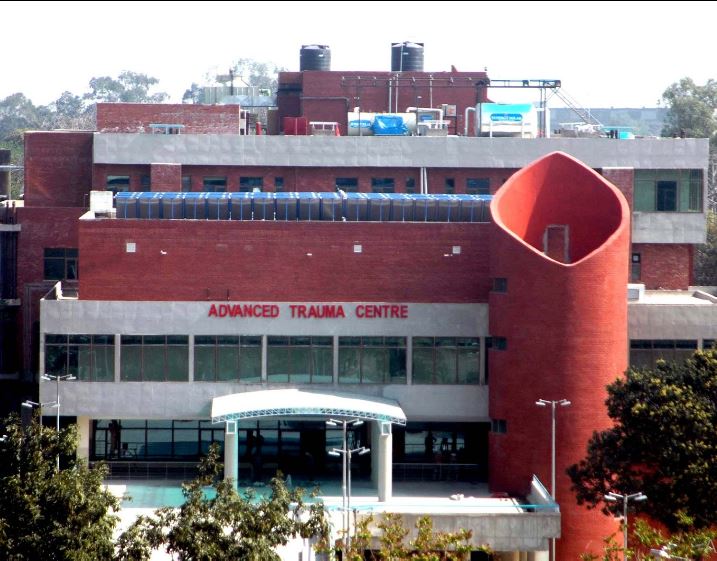
PGIMER, Chandigarh
Government-run medical college known for clinical training, research, and advanced nursing education.

Amrita Vishwa Vidyapeetham
NAAC A++ accredited university offering research-driven B.Sc Nursing with global recognition.

Jamia Hamdard, Delhi
Government-aided university with focus on healthcare programs and modern nursing labs.
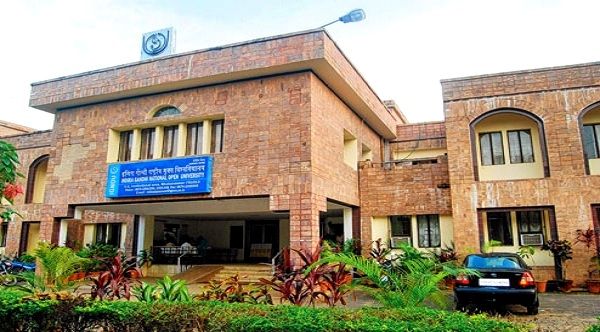
IGNOU – School of Health Sciences
Offers flexible and affordable B.Sc Nursing (Post Basic) for working professionals and distance learners.
Selection Criteria for Featured Colleges
Clinical Exposure
Affiliation with hospitals, patient care training, internship opportunities
Placement Record
Job placement assistance, partnerships with hospitals, on-campus drives
Infrastructure
Simulation labs, anatomy labs, skill development centers
Faculty & Research
Qualified faculty, research programs, academic mentoring
Affordability
Low tuition cost, scholarships, and high return on investment
National Recognition
AICTE/INC approval, NAAC ratings, NIRF rankings
Frequently Asked Questions
Here are detailed answers to the most commonly asked questions about the B.Sc Nursing program, including admissions, career scope, further studies, and industry relevance.
What is the difference between B.Sc Nursing and GNM?
B.Sc Nursing is a 4-year degree course focused on both theoretical and practical aspects of nursing and healthcare. GNM (General Nursing and Midwifery) is a 3-year diploma course more focused on practical nursing skills.
Key Differences:
- Degree: B.Sc Nursing – Undergraduate degree, GNM – Diploma
- Duration: B.Sc – 4 years, GNM – 3 years
- Career Scope: B.Sc graduates are preferred for government and private hospital jobs and for higher studies
- Further Study: B.Sc opens paths to M.Sc Nursing, NP programs, and even MBA in Healthcare
Can I pursue B.Sc Nursing without Biology in 12th?
No, Biology is mandatory in 10+2 (Science stream) to be eligible for B.Sc Nursing. Most institutions also require Physics and Chemistry.
Minimum marks required range from 45–50% in aggregate (depending on category and university).
What are the job opportunities after B.Sc Nursing?
B.Sc Nursing graduates are in demand in hospitals, clinics, community health centers, and the military.
Popular Job Roles:
- Staff Nurse / Registered Nurse (RN)
- ICU Nurse / Emergency Nurse
- Operation Theatre Nurse
- Community Health Officer (CHO)
- Nursing Officer in Government Hospitals
Top Employers: AIIMS, Apollo Hospitals, Fortis, Max Healthcare, Army Medical Corps
Average Salary: ₹3-6 LPA (freshers); government jobs offer higher security and benefits
Is B.Sc Nursing a good career option for the future?
Yes, the global demand for trained nurses is growing due to healthcare expansion and aging populations.
Career Growth Path:
- Staff Nurse → Senior Nurse → Nurse Educator → Nursing Superintendent
- Community Nurse → Public Health Specialist → NGO/WHO/UN roles
- With M.Sc Nursing, options in teaching, research, and nurse practitioner roles open up
Nursing is also one of the few medical fields with high overseas job demand (especially in UK, Canada, and Middle East).
What higher studies can I pursue after B.Sc Nursing?
After B.Sc Nursing, students can pursue advanced degrees and specializations to enhance their clinical or academic careers.
Higher Study Options:
- M.Sc Nursing (with specialization in Pediatrics, Psychiatry, Medical-Surgical, etc.)
- Post Basic B.Sc Nursing (for GNM graduates)
- Ph.D in Nursing
- MBA in Hospital Administration or Healthcare Management
Advanced courses open doors to leadership roles in healthcare and academics.
Can I study abroad after B.Sc Nursing?
Yes. B.Sc Nursing is globally recognized. You can pursue M.Sc Nursing, PG diplomas, or register as a nurse after clearing licensing exams like:
- NCLEX-RN (for USA, Canada)
- OSCE & CBT (for UK – NMC registration)
- HAAD, MOH, DHA (for Gulf countries)
Countries like Canada, UK, Ireland, and Australia actively recruit Indian nurses.
What is the average salary after B.Sc Nursing?
Salaries vary depending on job type, location, and institution. Here's a breakdown:
Freshers:
- Private Hospitals: ₹3-4.5 LPA
- Government Sector: ₹4.5-6.5 LPA (with allowances)
- ICU/NICU/OT roles: ₹4-6 LPA
Mid-Level (5–10 yrs): ₹6-10 LPA
Overseas Jobs: ₹25-60 LPA equivalent after clearing licensing exams