Overview
Bachelor of Technology (B.Tech) is a four-year professional undergraduate program focused on engineering, technology, and applied sciences. It equips students with the technical expertise, problem-solving skills, and industry-relevant knowledge required to design, develop, and maintain complex systems and technologies in today’s innovation-driven world.
The B.Tech curriculum blends theoretical concepts with extensive practical training through lab work, workshops, internships, and real-world projects. Students are trained in core subjects such as computer science, mechanical engineering, electronics, civil engineering, and more — with specializations offered in emerging domains like artificial intelligence, data science, and robotics.
Graduates of B.Tech programs are highly sought after across sectors like IT, manufacturing, construction, automotive, telecom, energy, and even finance. The program also opens pathways for entrepreneurship, higher studies like M.Tech or MBA, and roles in research and development.
In a rapidly evolving digital and industrial ecosystem, B.Tech graduates play a pivotal role in driving innovation, solving technical challenges, and contributing to nation-building. The course emphasizes hands-on learning and industry collaboration, ensuring students are career-ready from day one.
With continuous updates in curriculum and interdisciplinary exposure, modern B.Tech programs also integrate programming, analytics, sustainability, and managerial insights, preparing students for dynamic and future-ready careers.
Key Highlights
- Duration: 4 years (8 semesters)
- Eligibility: 10+2 with PCM (Physics, Chemistry, Mathematics)
- Average Fees: ₹50,000 – ₹3,00,000 per year (varies by college)
- Job Prospects: Software, Engineering, Manufacturing, R&D, Core Industries
- Higher Studies: M.Tech, MBA, MS, Civil Services
- Global Recognition: Accepted for advanced studies and jobs abroad
- Specializations: 25+ including AI, CSE, ECE, Mechanical, Civil, Mechatronics
Courses & Specializations
B.Tech offers a wide array of specializations tailored to match the ever-evolving technological landscape. These programs equip students with domain-specific knowledge, hands-on skills, and exposure to real-world engineering challenges, preparing them for dynamic careers in core and emerging industries.
Each specialization integrates foundational engineering principles with advanced industry-relevant technologies. Institutes also offer interdisciplinary programs to address cross-functional skill demands in areas like AI, sustainability, and automation.
Core Engineering Branches
- B.Tech Computer Science Engineering (CSE)
- B.Tech Mechanical Engineering (ME)
- B.Tech Civil Engineering (CE)
- B.Tech Electrical Engineering (EE)
- B.Tech Electronics & Communication (ECE)
- B.Tech Chemical Engineering
- B.Tech Aerospace Engineering
- B.Tech Automobile Engineering
IT & Software Specializations
- B.Tech Information Technology
- B.Tech Artificial Intelligence
- B.Tech Data Science
- B.Tech Cyber Security
- B.Tech Software Engineering
- B.Tech Internet of Things (IoT)
- B.Tech Blockchain Technology
- B.Tech Cloud Computing
Interdisciplinary & Emerging Fields
- B.Tech Mechatronics
- B.Tech Robotics & Automation
- B.Tech Biomedical Engineering
- B.Tech Environmental Engineering
- B.Tech Engineering Physics
- B.Tech Agricultural Engineering
- B.Tech Petroleum Engineering
- B.Tech Mining Engineering
Special Purpose Programs
- B.Tech Marine Engineering
- B.Tech Textile Engineering
- B.Tech Food Technology
- B.Tech Industrial Engineering
- B.Tech Ceramic Engineering
- B.Tech Metallurgical Engineering
- B.Tech Production Engineering
- B.Tech Instrumentation Engineering
Emerging Specializations
Institutes are increasingly offering future-focused B.Tech programs designed to meet the needs of Industry 4.0 and digital transformation. These specializations integrate advanced technologies, interdisciplinary approaches, and research-driven learning.
🤖 Artificial Intelligence & Machine Learning
Prepares students for careers in automation, data science, and AI-powered technologies through deep learning, neural networks, and algorithm development.
🔐 Cyber Security & Digital Forensics
Focuses on securing data, networks, and infrastructure against cyber threats, and understanding digital investigation techniques.
🧠 Data Science & Big Data Analytics
Combines statistics, computing, and machine learning to analyze large datasets and extract actionable insights for business and research.
♻️ Renewable Energy Engineering
Centers on sustainable energy systems, solar/wind technologies, and energy efficiency—critical for a green future.
Subjects & Curriculum
The B.Tech curriculum is structured to offer a blend of theoretical knowledge and practical skills essential for success in engineering and technology-driven careers. Spread across eight semesters over four years, the program emphasizes core engineering principles, technical expertise, and real-world application.
The curriculum includes foundational subjects in the first year, followed by branch-specific courses, electives, lab work, internships, and capstone projects in later years. Students are encouraged to develop technical proficiency, problem-solving abilities, and industry readiness through a balanced academic structure.
Modern B.Tech programs also promote interdisciplinary learning by incorporating emerging technologies like AI, IoT, and Data Science across various specializations.
Year 1 (Semesters 1-2)
Foundation Phase
- Engineering Mathematics: Calculus, linear algebra, probability
- Basic Sciences: Physics, Chemistry (Engineering-oriented)
- Engineering Graphics: CAD tools, technical drawing
- Programming Fundamentals: C/C++, Python, logic building
- Basic Electrical & Mechanical Engineering: Core concepts
- Workshops & Labs: Hands-on training and prototyping
- Communication Skills: English, soft skills, presentations
Year 2 (Semesters 3-4)
Branch-Specific Development
- Core Department Subjects: Based on chosen specialization (e.g., DBMS for CSE, Thermodynamics for ME)
- Digital Electronics & Signals: Circuit design, systems
- Object-Oriented Programming: Java, OOP concepts
- Environmental & Ethical Engineering: Sustainability, ethics
- Mini Projects: Group innovation-based practical projects
- Soft Skills Training: Aptitude, communication, teamwork
- Workshops: Hackathons, coding bootcamps, design sprints
Year 3 (Semesters 5-6)
Advanced Engineering & Industry Exposure
- Advanced Electives: AI/ML, Data Science, VLSI, Robotics, etc.
- Industrial Training: Short-term internships or live projects
- Research Projects: Independent or faculty-guided topics
- Technical Seminars: Presentations on current tech trends
- Open Electives: Cross-domain subjects (e.g., entrepreneurship, digital marketing)
- Certification Courses: Industry-relevant tools (AutoCAD, AWS, TensorFlow)
Year 4 (Semesters 7-8)
Specialization & Career Preparation
- Capstone Project: Major final year project (individual or team-based)
- Full-time Internship: 4–6 months in an industry or R&D unit
- Startup/Innovation Labs: Support for entrepreneurial ideas
- Placement Preparation: Mock interviews, resume writing
- Gate/CAT/GMAT Prep (Optional): For higher studies or management roles
- Final Dissertation: Submission of technical project report
Assessment Methods
The B.Tech evaluation process is continuous and rigorous, using a blend of theoretical exams, lab work, and project evaluations:
Midterm & Final Exams (40%)
Evaluate technical knowledge and conceptual clarity
Lab Practicals (25%)
Assessment of hands-on ability and software/hardware tool usage
Assignments & Quizzes (15%)
Regular tasks, surprise tests, and class performance
Projects & Internships (20%)
Evaluation based on innovation, report writing, and real-world impact
Career Opportunities
B.Tech graduates have access to a vast and dynamic range of career options across industries such as technology, manufacturing, consulting, public sector, and emerging digital domains. The program equips students with strong analytical, technical, and managerial skills, making them highly desirable in today’s innovation-driven economy.
From core engineering roles to leadership positions in tech and business, B.Tech holders can choose specialized paths or diverse multidisciplinary careers. With the rise of automation, data, and sustainability, engineers are at the forefront of building the future.
Core Engineering Roles
- Software Engineer - ₹4-20 LPA (IT, startups, MNCs)
- Mechanical Engineer - ₹3-10 LPA (Manufacturing, automotive)
- Civil Engineer - ₹3-8 LPA (Construction, infrastructure)
- Electrical/Electronics Engineer - ₹3-10 LPA (Energy, electronics)
- Design Engineer - ₹4-12 LPA (R&D, product design)
- Embedded Systems Engineer - ₹5-15 LPA (IoT, devices)
IT & Emerging Tech
- Data Scientist - ₹6-25 LPA (Tech firms, finance)
- AI/ML Engineer - ₹7-30 LPA (Startups, global MNCs)
- Cloud Architect - ₹8-25 LPA (AWS, Azure, Google Cloud)
- Cybersecurity Analyst - ₹5-18 LPA (Security firms, BFSI)
- Blockchain Developer - ₹7-20 LPA (Web3, fintech)
- DevOps Engineer - ₹6-16 LPA (Tech teams, SaaS)
Business & Consulting
- Business Analyst - ₹5-12 LPA (Consulting, analytics)
- Product Manager - ₹8-25 LPA (Tech firms, startups)
- Operations Manager - ₹6-15 LPA (Supply chain, logistics)
- Management Consultant - ₹8-30 LPA (McKinsey, BCG, Bain)
- Pre-sales Engineer - ₹4-10 LPA (Tech sales, SaaS)
Public Sector & Government
- IES/PSUs (via GATE) - ₹6-15 LPA (ONGC, BHEL, NTPC)
- Civil Services - ₹8-20 LPA (IAS, IPS, IES, IFoS)
- Defense Services (SSB/UPSC) - ₹4-12 LPA (Army, Navy, Air Force)
- State Govt Engineer - ₹4-9 LPA (PWD, Jal Nigam, etc.)
Entrepreneurship & Startups
- Tech Startup Founder - High potential (based on funding & success)
- Freelance Developer - ₹4-15 LPA (Project-based income)
- Innovation & Incubation - ₹4-12 LPA (Govt/college incubators)
Higher Studies & Research
- M.Tech/MS - GATE/Abroad (IITs, NITs, MIT, Stanford)
- MBA - CAT/GMAT (IIMs, ISB, international B-schools)
- PhD/Research Fellow - ₹6-12 LPA (Academia, R&D centers)
Admission Process
The admission process for B.Tech programs in India is primarily based on national or state-level entrance exams, with some institutions also considering board exam performance. Understanding the complete process is essential for securing admission into top engineering colleges.
The B.Tech admission season typically begins in December-January with exam notifications, followed by exams in April-May, counseling in June-July, and session commencement in August. Staying updated with dates and requirements is critical.
Eligibility Criteria
- Educational Qualification: Passed 10+2 with Physics, Chemistry, and Mathematics
- Minimum Marks: At least 50% (45% for reserved categories)
- Age Limit: Usually 17-25 years
- English Proficiency: English should be a subject in 10+2
Types of Admission
Entrance Exam Based
Admissions are primarily done through exams like JEE Main, JEE Advanced, state CETs (MHT CET, KCET, WBJEE), or university-level exams (VITEEE, SRMJEEE).
Direct Admission
Some private colleges offer direct admission based on 10+2 marks or management quota seats.
Application Process
- Register: Visit the exam/college portal and register
- Fill Form: Provide academic, personal, and exam details
- Upload Documents: Photos, signature, academic certificates
- Pay Fees: Submit application fees online
- Appear for Exam: Download admit card, take exam
- Check Results: Download scorecard and rank
- Participate in Counseling: Choose colleges and lock choices
- Seat Allotment & Confirmation: Report to college with documents and pay admission fees
Required Documents
- 10th & 12th Marksheet and Certificates
- Entrance Exam Scorecard and Admit Card
- Transfer & Migration Certificate
- Caste/EWS/Income Certificate (if applicable)
- ID Proof (Aadhar, PAN, etc.)
- Passport Size Photographs
- Medical and Domicile Certificate (if required)
Important Dates & Timeline
Dec - Jan
Notifications released, applications open
Apr - May
Entrance exams conducted
Jun - Jul
Counseling, seat allotment, admissions
Aug
Session begins
Fee Structure
The fee structure for B.Tech programs varies significantly based on the type of institution, location, specialization, and facilities provided. Understanding the complete cost structure helps in financial planning and making informed decisions about college selection.
Apart from tuition fees, students should also consider additional expenses such as hostel accommodation, books, laboratory fees, examination fees, and living expenses. Many institutions offer scholarships and financial aid to deserving students.
| College Type | Average Annual Fees | Total Course Fee | Additional Costs |
|---|---|---|---|
| Government Colleges | ₹50,000 - ₹1,50,000 | ₹2L - ₹6L | ₹50,000 - ₹1L |
| Private Colleges | ₹1L - ₹3L | ₹4L - ₹12L | ₹1L - ₹2L |
| Deemed Universities | ₹1.5L - ₹4L | ₹6L - ₹16L | ₹1.5L - ₹3L |
| International Universities | ₹6L - ₹20L | ₹24L - ₹80L | ₹2L - ₹5L |
Detailed Cost Breakdown
Academic Expenses
- Tuition Fees: ₹50,000 - ₹4,00,000 per year
- Laboratory Fees: ₹5,000 - ₹50,000 per year
- Library Fees: ₹1,000 - ₹5,000 per year
- Examination Fees: ₹2,000 - ₹10,000 per year
- Books & Study Materials: ₹8,000 - ₹20,000 per year
Living Expenses
- Hostel Accommodation: ₹50,000 - ₹2,00,000 per year
- Food & Mess: ₹30,000 - ₹1,00,000 per year
- Transportation: ₹5,000 - ₹20,000 per year
- Personal Expenses: ₹20,000 - ₹50,000 per year
Financial Aid Options
- Merit-based Scholarships: Up to 100% fee waiver
- Need-based Financial Aid: Up to 75% assistance
- Government Scholarships: Central/state schemes available
- Education Loans: Up to ₹10-20 lakhs at low interest
Miscellaneous Costs
- Internet & Mobile: ₹5,000 - ₹12,000 per year
- Extracurricular Activities: ₹2,000 - ₹10,000 per year
- Clothing & Personal Items: ₹5,000 - ₹15,000 per year
- Field Trips & Workshops: ₹5,000 - ₹25,000 per year
Note: Fees may vary significantly based on location, specialization, college reputation, and facilities provided. It's advisable to check with individual institutions for exact fee structures and available financial aid options.
Course Comparison
Choosing the right engineering or technical undergraduate program is crucial. Below is a comprehensive comparison of B.Tech with other popular courses to help you make an informed decision based on your strengths, career goals, and interests.
| Course | Duration | Focus Area | Career Scope | Average Salary | Higher Studies |
|---|---|---|---|---|---|
| B.Tech | 4 years | Engineering & Technology | Engineering, IT, R&D, Startups | ₹4-20 LPA | M.Tech, MBA, MS |
| B.Sc | 3 years | Pure & Applied Sciences | Research, Teaching, Industry | ₹3-12 LPA | M.Sc, MBA, M.Tech |
| BCA | 3 years | Computer Applications | Software Development, IT | ₹3-15 LPA | MCA, MBA, M.Sc IT |
| B.Pharm | 4 years | Pharmaceutical Sciences | Pharmacy, Drug Research | ₹3-10 LPA | M.Pharm, MBA, MS |
| B.Com | 3 years | Commerce & Business | Finance, Banking, Accounting | ₹2-8 LPA | M.Com, MBA, CA, CS |
| BBA | 3 years | Business Administration | Management, Marketing, HR | ₹3-10 LPA | MBA, PGDM |
Course Analysis
B.Tech vs B.Sc
Choose B.Tech if: You want applied engineering skills, hands-on technical exposure, and direct industry integration.
Choose B.Sc if: You're more research-inclined and want to build strong scientific fundamentals.
B.Tech vs BCA
Choose B.Tech (CS/IT) if: You want in-depth technical training and wider job roles in software, hardware, and systems.
Choose BCA if: You want a faster entry into the software development or IT support sector with lighter math load.
B.Tech vs B.Pharm
Choose B.Tech (Biotech/Chemical) if: You’re interested in applying engineering principles to biology or chemistry-based industries.
Choose B.Pharm if: You’re interested in medicine formulation, drug regulation, and pharmacy practice.
Popular Colleges
India is home to several top-tier institutions offering B.Tech programs with world-class infrastructure, expert faculty, and robust placement records. These colleges are highly ranked and recognized nationally and globally for their contributions to engineering and technological advancement.
IIT Bombay
Location: Mumbai, Maharashtra | NIRF Ranking: 3 (2023)
Fee Range: ₹2,00,000 - ₹2,50,000 per year
Specializations: CSE, ECE, Mechanical, Civil, Chemical, Aerospace
Notable Features: World-class research, global alumni network, top placements
IIT Delhi
Location: New Delhi | NIRF Ranking: 2 (2023)
Fee Range: ₹2,20,000 - ₹2,50,000 per year
Specializations: CSE, EEE, Mechanical, Civil, Biotech
Notable Features: Industry collaborations, innovation ecosystem, strong research
IIT Madras
Location: Chennai, Tamil Nadu | NIRF Ranking: 1 (2023)
Fee Range: ₹2,00,000 - ₹2,40,000 per year
Specializations: CSE, ECE, Electrical, Naval Architecture
Notable Features: Cutting-edge labs, high research output, top recruiters
NIT Trichy
Location: Tamil Nadu | NIRF Ranking: 8 (2023)
Fee Range: ₹1,50,000 - ₹1,90,000 per year
Specializations: CSE, Mechanical, ECE, Metallurgy
Notable Features: Public research institution, good ROI, national recognition
IIIT Hyderabad
Location: Telangana | NIRF Ranking: 55 (2023)
Fee Range: ₹2,80,000 - ₹3,00,000 per year
Specializations: Computer Science, ECE, AI, Robotics
Notable Features: Strong coding culture, research-intensive, top packages
VIT Vellore
Location: Tamil Nadu | NIRF Ranking: 11 (2023)
Fee Range: ₹1,80,000 - ₹2,50,000 per year
Specializations: CSE, IT, Mechanical, Civil, AI & Data Science
Notable Features: International MoUs, innovation labs, excellent infrastructure
BITS Pilani
Location: Rajasthan | NIRF Ranking: 25 (2023)
Fee Range: ₹2,40,000 - ₹2,90,000 per year
Specializations: CSE, EEE, Mechanical, Chemical, Civil
Notable Features: No reservation policy, flexible curriculum, top placement packages
Jadavpur University
Location: Kolkata, WB | NIRF Ranking: 10 (2023)
Fee Range: ₹8,000 - ₹12,000 per year
Specializations: All core engineering branches
Notable Features: Affordable fees, research-driven programs, high ROI
State-wise Top Colleges
North India
- IIT Delhi (Delhi)
- NSUT (Delhi)
- Punjab Engineering College (Chandigarh)
- IIT Jammu (J&K)
West India
- IIT Bombay (Maharashtra)
- COEP Pune (Maharashtra)
- NIT Surat (Gujarat)
- NIT Goa
East India
- Jadavpur University (West Bengal)
- NIT Rourkela (Odisha)
- BIT Mesra (Jharkhand)
- IIT Patna (Bihar)
South India
- IIT Madras (Tamil Nadu)
- NIT Trichy (Tamil Nadu)
- IIIT Hyderabad (Telangana)
- IISc Bangalore (Karnataka)
Central India
- MANIT Bhopal (Madhya Pradesh)
- IIITDM Jabalpur (Madhya Pradesh)
- NIT Raipur (Chhattisgarh)
- Shri Vaishnav Vidyapeeth (Indore)
North-East India
- NIT Silchar (Assam)
- NIT Nagaland
- NIT Meghalaya
- IIT Guwahati (Assam)
Top Entrance Exams
For admission into B.Tech programs, entrance exams play a crucial role in determining eligibility for top engineering institutions across India. Each exam has its own format, eligibility criteria, and scope. Knowing the pattern and timelines will help aspirants plan and prepare effectively.
JEE Main (Joint Entrance Examination – Main)
Purpose: Entry to NITs, IIITs, GFTIs, and eligibility for JEE Advanced
Exam Date: January & April | Application: December-January
Subjects: Physics, Chemistry, Mathematics
Participating Institutes: 31 NITs, 25 IIITs, 26 GFTIs, and others
JEE Advanced
Purpose: Admission to IITs and a few premier institutes like IISc and IISERs
Exam Date: May-June | Application: April-May (only for top 2.5 lakh JEE Main rankers)
Subjects: Physics, Chemistry, Mathematics
Participating Institutes: 23 IITs + selected research institutes
BITSAT
Purpose: Admission to B.Tech programs in BITS Pilani, Goa, and Hyderabad
Exam Date: May-June | Application: January-March
Subjects: Physics, Chemistry, Mathematics, English, Logical Reasoning
Campuses: Pilani, Goa, Hyderabad, Dubai
VITEEE
Purpose: Admission to B.Tech programs at VIT Vellore, Chennai, Bhopal, and AP campuses
Exam Date: April | Application: November–March
Subjects: PCM/PCB + English + Aptitude
Features: Online proctored mode, multiple exam slots
SRMJEEE
Purpose: Admission to B.Tech programs at SRM University campuses
Exam Date: April | Application: November–March
Subjects: Physics, Chemistry, Mathematics/Biology, English
Special Features: Slot booking, scholarships for toppers
MET (Manipal Entrance Test)
Purpose: Admission to B.Tech programs at Manipal Institute of Technology
Exam Date: April-May | Application: October–March
Subjects: PCM + English + Aptitude
Campuses: Manipal, Jaipur, Sikkim
State-Level Entrance Exams
Maharashtra CET (MHT CET)
For admission to engineering colleges in Maharashtra
Subjects: Physics, Chemistry, Mathematics
KCET (Karnataka Common Entrance Test)
For engineering admissions across Karnataka government and private colleges
Subjects: PCM + Kannada (for eligibility)
WBJEE (West Bengal Joint Entrance Examination)
For engineering admissions in West Bengal
Subjects: Mathematics, Physics, Chemistry
AP EAMCET / TS EAMCET
For engineering, agriculture, and pharmacy admissions in Andhra Pradesh & Telangana
Subjects: Physics, Chemistry, Mathematics
GUJCET
For engineering colleges in Gujarat
Subjects: Physics, Chemistry, Mathematics
KEAM (Kerala Engineering Architecture Medical)
For engineering programs in Kerala
Subjects: PCM + optional interview for architecture
Preparation Tips
Study Strategy
- Start your preparation in Class 11 for JEE-level exams
- Use NCERT and coaching materials for conceptual grounding
- Join test series for JEE Main or Advanced if aiming for IITs
- Use flashcards and formula sheets for quick revisions
Time Management
- Create a subject-wise timetable and stick to weekly goals
- Give priority to difficult topics but don’t neglect strengths
- Practice 2–3 mock tests every week in the last 2 months
- Include time for relaxation and physical activity
Featured Colleges
These engineering institutions are renowned for their cutting-edge programs, innovation ecosystems, placement records, and global recognition. They offer the best of B.Tech education in India.
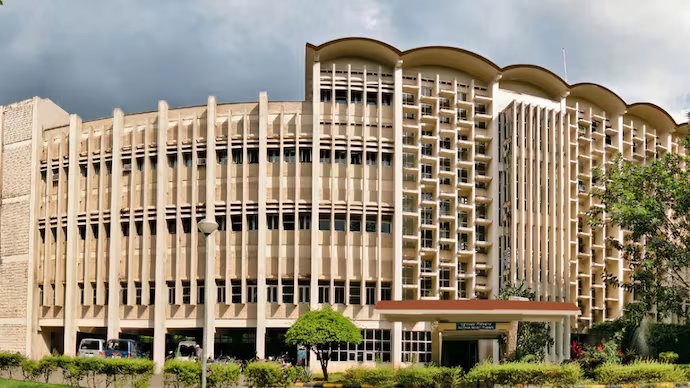
IIT Bombay
One of India’s premier engineering institutes known for global recognition, top-tier faculty, and tech-driven innovation.
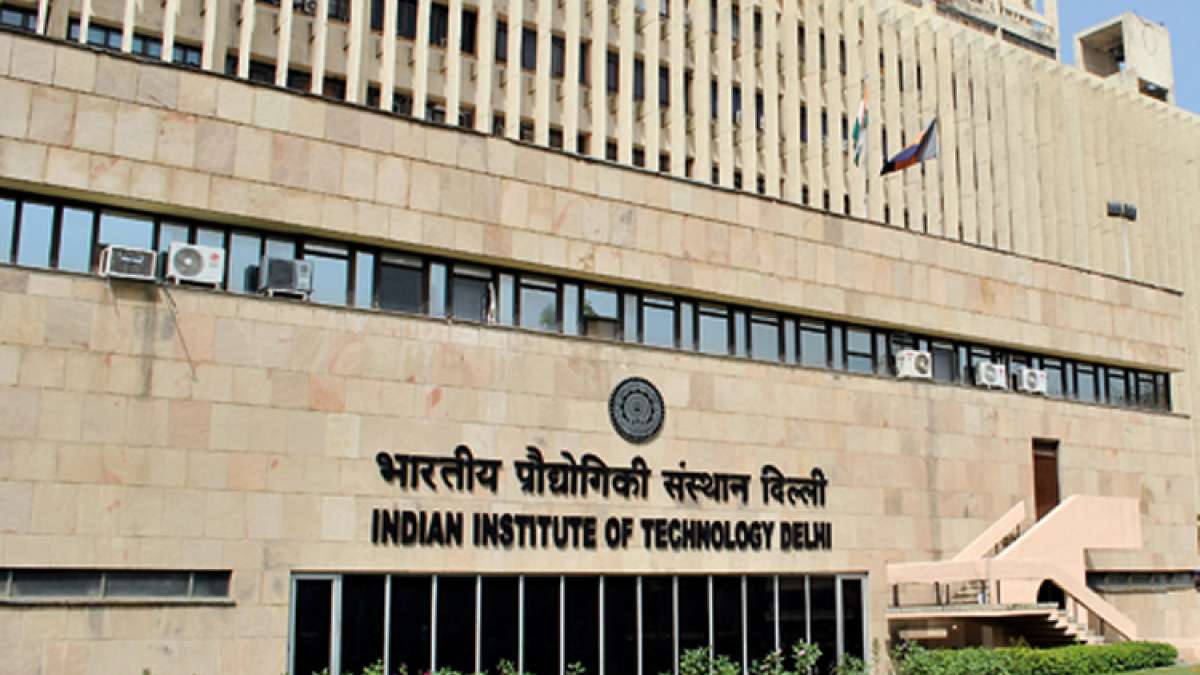
IIT Delhi
Globally reputed IIT offering multidisciplinary B.Tech programs, with strong research output and international ties.
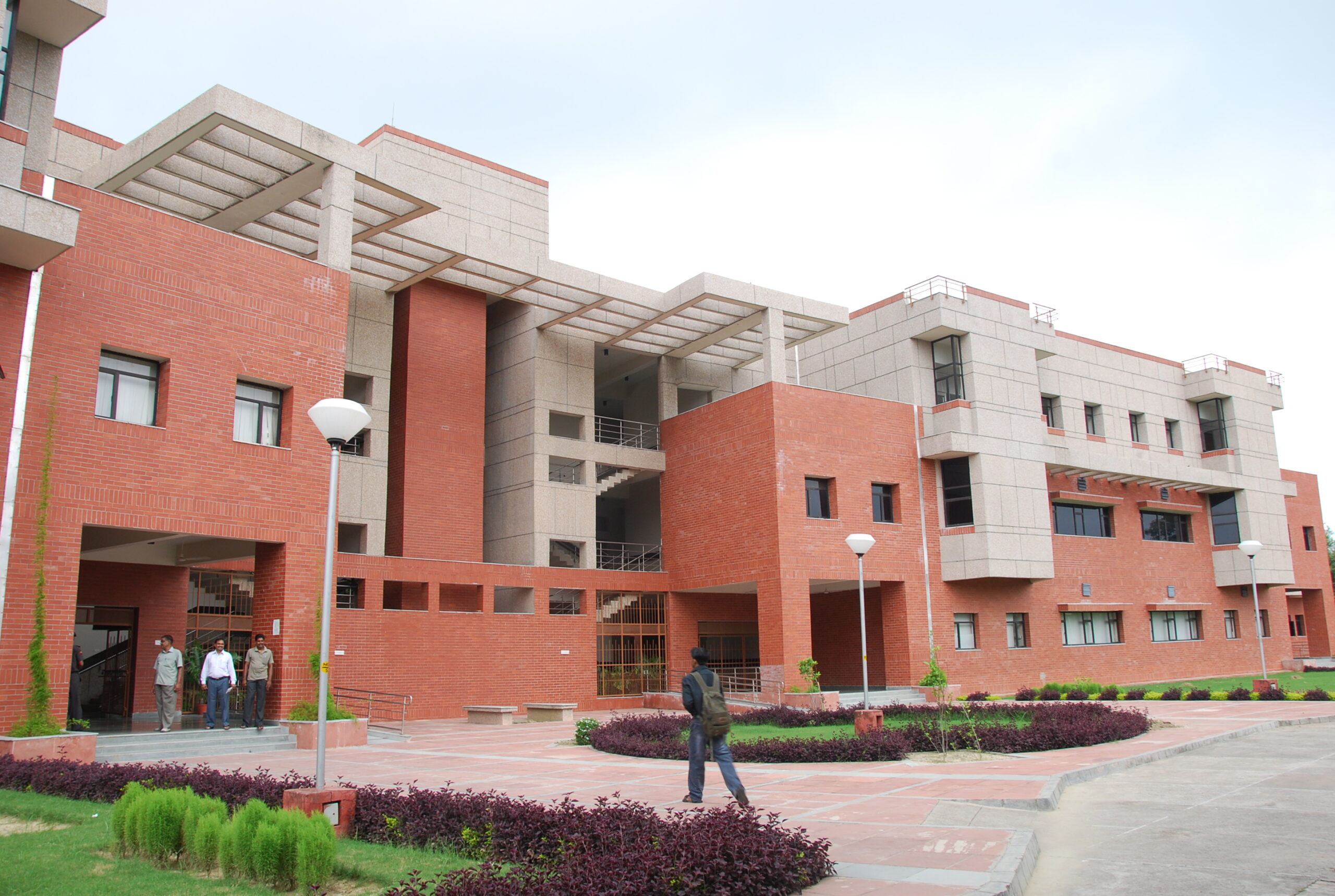
IIT Kanpur
Known for academic rigor and engineering excellence, with a vibrant startup ecosystem and world-class labs.
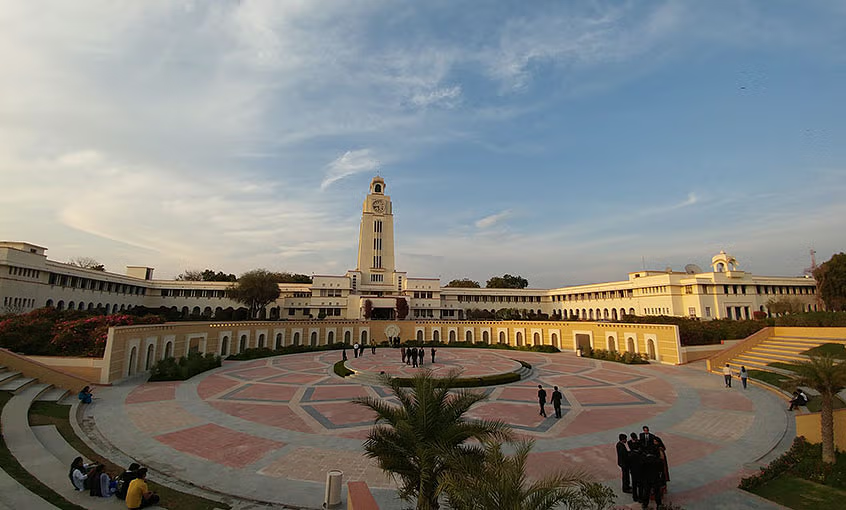
BITS Pilani
Top private engineering institution with strong entrepreneurial focus and flexible academic structure.
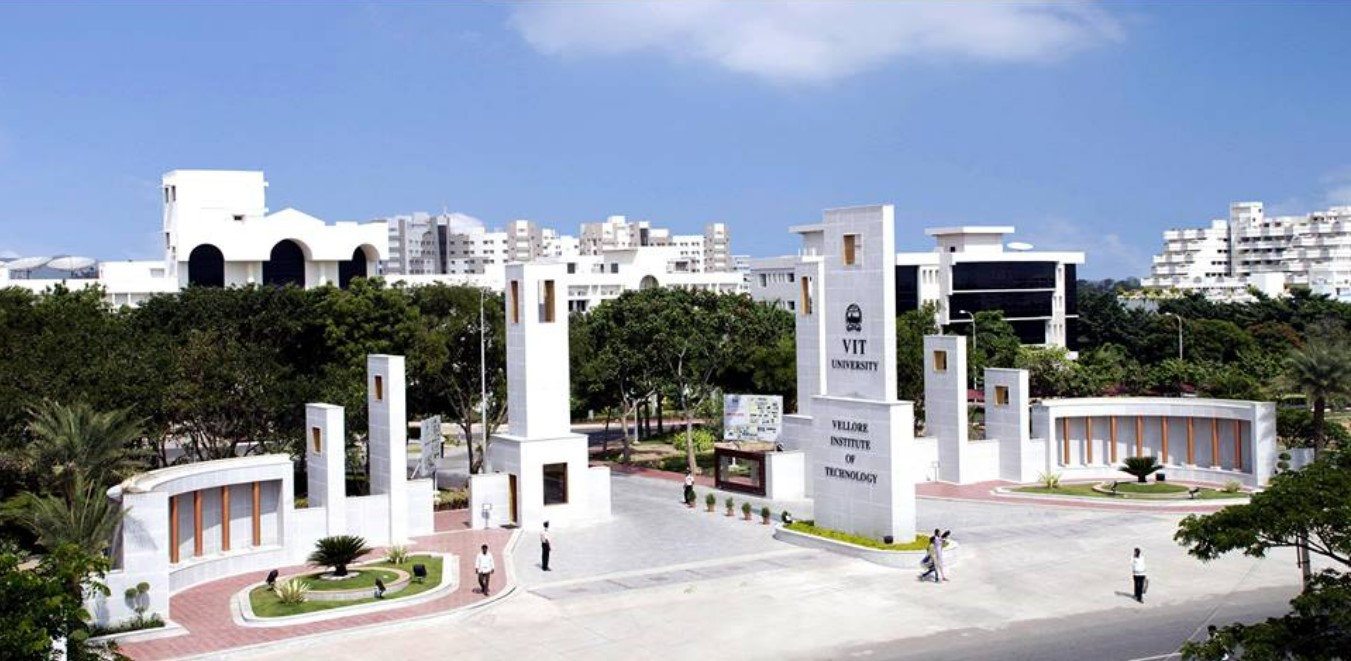
VIT Vellore
Leading private deemed university with top-notch placement records and modern infrastructure.

NIT Trichy
Top NIT in India, known for its academic excellence and consistent placement across core and tech domains.
Selection Criteria for Featured Colleges
Academic Excellence
Includes NIRF ranking, program diversity, teaching pedagogy, and faculty credentials
Placement Record
Placement percentage, highest & median salary packages, and company diversity
Infrastructure
Labs, libraries, maker spaces, hostels, and access to innovation hubs
Alumni Network
Influential alumni, mentorship support, and global industry presence
Affordability
Tuition fees, scholarships, financial aid programs, and ROI
Research & Innovation
Patents filed, international collaborations, startup incubators, and grants
Frequently Asked Questions
Here are detailed answers to common queries about B.Tech programs, including eligibility, placements, scope, and more to help you make informed decisions.
What is the eligibility for B.Tech courses?
Candidates must have completed 10+2 with Physics, Chemistry, and Mathematics (PCM) as core subjects. A minimum aggregate of 50–75% is generally required, depending on the institute.
- Core Subjects: PCM
- Minimum Marks: 50%–75%
- Entrance Exams: JEE Main, JEE Advanced, state-level CETs, institute-level exams
Which are the top branches in B.Tech with high salary potential?
Engineering branches with strong job prospects and high salary packages include:
- Computer Science & Engineering (CSE)
- Information Technology (IT)
- Electronics and Communication Engineering (ECE)
- Artificial Intelligence and Data Science
- Electrical Engineering (EE)
These branches offer excellent placements in tech companies, startups, R&D, and global MNCs.
Can I pursue B.Tech after a diploma?
Yes, diploma holders in engineering/technology can pursue B.Tech through lateral entry schemes, joining directly in the second year.
- Eligibility: 3-year diploma in a relevant field
- Admission: Through entrance exams like LEET or institute-specific tests
- Duration: 3 years (2nd year onwards)
What are the job prospects after B.Tech?
B.Tech graduates have vast opportunities in public and private sectors, entrepreneurship, and higher education.
- Core Sector: PSU jobs, manufacturing, electrical, mechanical industries
- IT Sector: Software development, AI, cybersecurity, cloud computing
- Government: Civil services, defense, research labs
- Higher Studies: M.Tech, MBA, MS abroad
Salary range for freshers: ₹4–12 LPA. In top tech roles: ₹15–60 LPA+
Is coding compulsory in all B.Tech branches?
No, coding is not compulsory in all branches. However, basic programming is part of most engineering curricula. It's primarily required in:
- Computer Science
- Information Technology
- AI & Data Science
- Electronics (for embedded systems)
Learning coding enhances employability, even in non-CS branches.
Can B.Tech students go abroad for jobs or MS?
Yes, B.Tech graduates can pursue MS, MBA, or job opportunities abroad based on specialization and performance.
- Countries: USA, Canada, Germany, UK, Australia
- Requirements: GRE/GMAT, IELTS/TOEFL, strong academics
- Popular Options: MS in Computer Science, Embedded Systems, Robotics, Data Science
Some companies also offer international placements or H-1B sponsorships.
What is the difference between B.Tech and BE?
B.Tech (Bachelor of Technology) and BE (Bachelor of Engineering) are equivalent in academic level and value. The difference lies mainly in:
- B.Tech: More practical and skill-oriented, typically offered by autonomous institutions
- BE: More theoretical, generally offered by affiliated universities
Both lead to similar career opportunities and are recognized by AICTE and UGC.