
Overview
Bachelor of Laws (LLB) is a 3-year undergraduate professional degree in law that prepares students to pursue a career in the legal profession. It is ideal for graduates from any stream who wish to enter the fields of legal practice, judiciary, corporate law, or public service.
The LLB curriculum covers subjects like Constitutional Law, Criminal Law, Contract Law, Property Law, and Administrative Law. It also emphasizes legal research, case analysis, moot courts, and internships to build practical skills required in litigation, consultancy, and policy-making.
LLB graduates are eligible to appear for the All India Bar Examination (AIBE) and become licensed advocates. The degree also serves as a gateway to careers in legal journalism, civil services, legal tech, and corporate law firms.
Leading universities design LLB programs to include clinical legal education, legal aid work, and courtroom training, ensuring holistic development. With law intersecting multiple fields like business, technology, and governance, LLB offers diverse and impactful career opportunities.
Whether you aim to become a lawyer, judge, legal advisor, or policymaker, an LLB degree provides the foundational legal knowledge and critical thinking skills necessary for a successful legal career.
Key Highlights
- Duration: 3 years (6 semesters)
- Eligibility: Graduation in any stream (minimum 45%-50%)
- Average Fees: ₹30,000 – ₹2,00,000 per year
- Job Prospects: Advocate, Legal Advisor, Corporate Lawyer, Judicial Services, Legal Analyst
- Higher Studies: LLM, MBA (Law), Civil Services, PG Diploma in Corporate Law
- Global Recognition: Accepted for LLM and legal studies abroad
- Specializations: Criminal Law, Corporate Law, Constitutional Law, Intellectual Property Law
Courses & Specializations
LLB covers foundational legal subjects along with optional specializations to help students gain domain expertise. The course blends theoretical knowledge with case laws, moot courts, internships, and legal research to prepare students for diverse legal careers.
The curriculum is designed in alignment with the Bar Council of India and equips students with critical thinking, legal drafting, and courtroom skills. Many colleges offer practice-oriented electives and emerging areas of law to match evolving legal trends.
Core Subjects
- Constitutional Law
- Criminal Law
- Contract Law
- Family Law
- Property Law
- Administrative Law
Popular Specializations
- Corporate Law
- Criminal Law
- Taxation Law
- Labour & Employment Law
- Intellectual Property Law
- International Law
Industry-Oriented Electives
- Cyber Law
- Banking & Finance Law
- Media & Entertainment Law
- Environmental Law
- Competition Law
Practice Skills
- Legal Drafting & Pleading
- Alternate Dispute Resolution
- Moot Court & Trial Advocacy
- Legal Research & Writing
- Internships with Law Firms
Emerging Legal Fields
As the legal landscape transforms, several new-age legal domains are gaining prominence and are being included in academic and elective offerings:
📱 Technology & Cyber Law
Focus on internet regulations, data privacy, IT Act, digital forensics, and cybercrime litigation.
🌍 Human Rights & Public Policy
Covers global human rights frameworks, public policy analysis, and international humanitarian law.
📈 Corporate Compliance & ESG Law
Prepares students in corporate governance, regulatory compliance, and sustainability laws.
🧠 Legal Tech & AI
Introduction to AI in legal practice, smart contracts, e-discovery, and legal automation tools.
Subjects & Curriculum
The LLB curriculum is designed to provide students with a deep understanding of legal principles, statutes, case laws, and procedures. It blends theoretical foundations with practical exposure through moot courts, internships, and legal writing.
Spread across six semesters (in 3-year LLB), the course includes core law subjects, elective specializations, clinical papers, and compulsory internships, ensuring students are professionally ready for legal practice or higher studies.
Year 1 (Semesters 1–2)
Foundational Legal Studies
- Legal Method
- Law of Contracts
- Constitutional Law – I
- Family Law – I
- Law of Torts & Consumer Protection
- Legal English & Communication
Year 2 (Semesters 3–4)
Core Law Subjects
- Criminal Law – I (IPC)
- Administrative Law
- Constitutional Law – II
- Family Law – II
- Property Law
- Environmental Law
- Internship / Legal Aid Clinic
Year 3 (Semesters 5–6)
Specialization & Practice Exposure
- Civil Procedure Code (CPC)
- Criminal Procedure Code (CrPC)
- Law of Evidence
- Professional Ethics & Bar Act
- Drafting, Pleading & Conveyancing
- Elective Subjects (IPR, Cyber Law, Corporate Law)
- Moot Court / Dissertation / Internship
Assessment Methods
LLB programs evaluate students through a mix of written tests, practical exercises, and fieldwork to build legal expertise:
Term Exams (50%)
Written papers covering acts, judgments, case studies, and legal interpretations
Assignments & Projects (20%)
Case analysis, research papers, legal essays, and presentations
Practical Training (20%)
Moot courts, client counseling, legal drafting, and legal aid clinic work
Internships & Viva (10%)
Law firm internships, court visits, and final semester viva voce
Career Opportunities
LLB graduates have diverse career opportunities in legal practice, corporate law, government services, judiciary, and policy-making. The degree provides a solid foundation in legal theory and practice, making graduates eligible for both traditional and modern legal roles.
With skills in legal reasoning, drafting, advocacy, and research, LLB holders can pursue litigation, work with law firms, join the judiciary, or take up roles in regulatory bodies and public policy think tanks.
The program also opens pathways to higher education like LLM, MBA (Law), or international law courses for global legal careers.
Litigation & Advocacy
- Advocate – ₹3–8 LPA (Courts, chambers, litigation firms)
- Legal Advisor – ₹4–10 LPA (Corporates, individuals)
- Legal Aid Officer – ₹3–6 LPA (NGOs, government legal cells)
Corporate & Law Firms
- Associate (Law Firm) – ₹6–12 LPA (Tier-1/2 firms)
- In-House Counsel – ₹5–10 LPA (MNCs, banks, startups)
- Contract Manager – ₹4–8 LPA (Corporate legal teams)
Government & Judiciary
- Judicial Services (Judge) – ₹6–15 LPA (Through PCS(J) exams)
- Public Prosecutor – ₹5–10 LPA (State/central appointment)
- Legal Officer (PSUs/Ministries) – ₹6–12 LPA (ONGC, BHEL, LIC, etc.)
- Law Officer (Banks) – ₹5–9 LPA (SBI, RBI, etc.)
Legal Tech & Emerging Roles
- Legal Content Writer – ₹3–7 LPA (EdTech, publications)
- Legal Operations Analyst – ₹4–9 LPA (Legal tech platforms)
- Policy Analyst – ₹5–10 LPA (Think tanks, NGOs, gov. bodies)
- Compliance Specialist – ₹5–11 LPA (FMCG, Pharma, Finance)
Higher Studies & Academia
- LLM (India/Abroad) – Specialized legal practice or teaching
- UGC NET Law – For lectureship and research fellowships
- PhD in Law – Research or academic career
International Law Careers
- Legal Intern (UN, WTO, etc.) – Stipend-based/global exposure
- International Human Rights Lawyer – NGOs, INGOs
- LLM Abroad (UK/US/Germany) – ₹10–25 LPA (Post-return or globally)
Admission Process
Admission to LLB (3-year) programs in India is generally conducted through both entrance exams and merit-based selection, depending on the institution. Candidates must have completed their graduation in any stream to be eligible.
Most entrance exams are held between May and July, followed by counseling or interview rounds. The academic session typically begins between July and September.
Eligibility Criteria
Candidates must meet the following requirements to apply for LLB (3-year):
- Educational Qualification: Bachelor's degree (any stream) from a recognized university
- Minimum Marks: 45%–50% aggregate (varies by category and institution)
- Age Limit: No upper age limit as per Bar Council guidelines (may vary by university)
- Nationality: Indian citizens and NRIs are eligible
- English Proficiency: English often required as a medium of instruction
Types of Admission
Entrance Exam Based
Popular law entrance exams include DU LLB, MH CET Law, LSAT India, PU LLB, and BHU PET.
Merit-Based Admission
Some private and state universities offer seats based on graduation scores and interviews.
Direct Admission
Certain private law colleges offer direct admission under management quota without exams.
Application Process
Step-by-step guide for LLB admission:
- Confirm Eligibility: Check graduation score and minimum criteria
- Choose Exam: Register for relevant entrance tests (if applicable)
- Apply Online: Submit applications through university or exam portals
- Pay Application Fee: Make online payment via secure gateways
- Upload Documents: Graduation mark sheet, ID, signature, photo
- Entrance Test: Appear and await result & counseling call (if needed)
- Merit List / Interview: Participate in admission counseling or PI
- Seat Allotment: Accept the offer and download the allotment letter
- Document Verification & Final Fee: Submit originals and pay admission fee
Required Documents
- 10th & 12th Mark Sheets
- Graduation Degree & Marksheets
- Transfer / Migration Certificate
- Category Certificate (if applicable)
- Recent Passport-size Photographs
- Valid Photo ID (Aadhar Card, Voter ID, etc.)
- Entrance Exam Scorecard (if applicable)
Important Dates & Timeline
March - April
Application and entrance exam registration begins
May - June
Entrance exams & shortlisting for interviews
July - August
Merit list releases, counseling, seat allotment
August - September
Course commencement & orientation
Fee Structure
The fee structure for LLB (3-year) programs varies significantly depending on the type of college—government, private, or deemed universities. While government law colleges are more affordable, private institutions and universities may charge higher tuition due to infrastructure and faculty quality.
Students should also plan for additional costs like hostel stay, moot court activities, legal databases, and internships. Various scholarships, fee waivers, and education loan schemes are available to support deserving candidates.
| College Type | Average Annual Fees | Total Course Fee | Additional Costs |
|---|---|---|---|
| Government Colleges | ₹8,000 – ₹50,000 | ₹24,000 – ₹1,50,000 | ₹10,000 – ₹30,000 |
| Private Colleges | ₹50,000 – ₹2,00,000 | ₹1,50,000 – ₹6,00,000 | ₹30,000 – ₹70,000 |
| Deemed Universities | ₹1,00,000 – ₹3,50,000 | ₹3,00,000 – ₹10,50,000 | ₹40,000 – ₹90,000 |
| International Universities | ₹5,00,000 – ₹12,00,000 | ₹15,00,000 – ₹36,00,000 | ₹2,00,000 – ₹4,00,000 |
Detailed Cost Breakdown
Academic Expenses
- Tuition Fees: ₹8,000 – ₹3,50,000 per year
- Library & Database Access: ₹2,000 – ₹10,000 per year
- Exam & Registration Fees: ₹3,000 – ₹8,000 per year
- Books & Bare Acts: ₹5,000 – ₹12,000 per year
- Moot Court Activities: ₹3,000 – ₹10,000 per year
Living Expenses
- Hostel/PG: ₹30,000 – ₹1,00,000 per year
- Food & Mess: ₹25,000 – ₹50,000 per year
- Internet & Laptop: ₹10,000 – ₹25,000 (one-time or annual)
- Personal Expenses: ₹15,000 – ₹30,000 per year
Financial Aid Options
- Merit Scholarships: Up to 100% tuition waiver in select institutions
- State/Central Govt Schemes: SC/ST/OBC & minority scholarships available
- Private Scholarships: Foundations, law associations, NGOs
- Education Loans: ₹50,000 – ₹10,00,000 at low interest rates
Miscellaneous Costs
- Legal Internships (Travel & Stay): ₹5,000 – ₹15,000 per year
- Workshops & Seminars: ₹3,000 – ₹10,000 per year
- Professional Attire (Suits/Blazers): ₹4,000 – ₹10,000 (one-time)
- Bar Exam Registration (post-LLB): ₹2,000 – ₹5,000
Note: The fee ranges mentioned are indicative and may vary by state, institution ranking, and specialization. Refer to official college websites for the most accurate and updated information.
Course Comparison
When considering a career in law or related fields, it's important to understand how LLB compares with other similar programs in terms of duration, focus, career scope, and future opportunities. Here's a detailed comparison to help you decide the best path based on your interests and goals.
| Course | Duration | Focus Area | Career Scope | Average Salary | Higher Studies |
|---|---|---|---|---|---|
| LLB (3-year) | 3 years | Law, Constitution, Legal Systems | Law Firms, Judiciary, Corporates | ₹3–10 LPA | LLM, MBA, UPSC, Judiciary Exams |
| BA LLB (Hons) | 5 years | Law + Arts (Pol. Sci., Sociology) | Litigation, Legal Research, Public Policy | ₹4–12 LPA | LLM, Foreign Law Schools, Civil Services |
| BBA LLB | 5 years | Law + Business Administration | Corporate Law, MNCs, Legal Consulting | ₹4–15 LPA | LLM, MBA, CS |
| B.Com LLB | 5 years | Law + Commerce/Taxation | Tax Law, Banking Law, Finance Firms | ₹3–10 LPA | LLM, CA, CS |
| LLM | 1–2 years | Legal Specialization (Criminal, IPR, etc.) | Judiciary, Academics, International Law | ₹5–20 LPA | PhD, Judicial Services |
| CS (Company Secretary) | 3–5 years | Corporate Compliance, Legal Advisory | Companies Act, Corporate Governance | ₹6–15 LPA | LLM, CA |
Course Analysis
LLB vs BA LLB
Choose LLB if: You have already completed your graduation and want to pursue law as a second degree.
Choose BA LLB if: You're sure about law after 12th and want a comprehensive, integrated course with humanities foundation.
LLB vs BBA LLB
Choose LLB if: You're focused purely on law and court practice, with less emphasis on business fundamentals.
Choose BBA LLB if: You’re targeting corporate legal careers and want to pair law with business acumen.
LLB vs CS (Company Secretary)
Choose LLB if: You aim to become a lawyer, judge, or legal consultant in public or private practice.
Choose CS if: You want to work in compliance, governance, or corporate law frameworks within companies.
LLB vs LLM
Choose LLB if: You are entering the legal profession and need a base law degree.
Choose LLM if: You have completed LLB and want to specialize or pursue academia, judiciary, or global law careers.
Popular Colleges
India offers a range of prestigious institutions that provide 3-year LLB programs for graduates. These colleges are known for their experienced faculty, strong legal training, moot court exposure, and placement support in law firms, corporates, and public sector.
Faculty of Law, University of Delhi (DU)
Location: New Delhi | NIRF Ranking: 4 (2023)
Fee Range: ₹5,000 - ₹8,000 per year
Specializations: Constitutional Law, Criminal Law, Corporate Law
Notable Features: Affordable fees, strong alumni base, judiciary prep
ILS Law College
Location: Pune, Maharashtra | NIRF Ranking: 20 (2023)
Fee Range: ₹25,000 - ₹35,000 per year
Specializations: Human Rights Law, Family Law, Business Law
Notable Features: Historic legacy, diverse student crowd, legal aid clinics
Symbiosis Law School (SLS)
Location: Pune, Maharashtra | NIRF Ranking: 9 (2023)
Fee Range: ₹2,50,000 - ₹3,00,000 per year
Specializations: Technology Law, IP Law, Cyber Law
Notable Features: Corporate tie-ups, international exchange, moot culture
Government Law College (GLC)
Location: Mumbai, Maharashtra | NIRF Ranking: NA
Fee Range: ₹10,000 - ₹15,000 per year
Specializations: Criminal Law, Labour Law, Property Law
Notable Features: Oldest law school in Asia, excellent legal exposure
Banaras Hindu University (BHU) - Faculty of Law
Location: Varanasi, Uttar Pradesh | NIRF Ranking: 19 (2023)
Fee Range: ₹6,000 - ₹12,000 per year
Specializations: Constitutional Law, International Law
Notable Features: Central university status, highly competitive entrance
Amity Law School
Location: Noida, Uttar Pradesh | NIRF Ranking: 31 (2023)
Fee Range: ₹1,00,000 - ₹2,00,000 per year
Specializations: Business Law, IPR, Cyber Law
Notable Features: Moot court training, foreign faculty lectures
Jamia Millia Islamia - Faculty of Law
Location: New Delhi | NIRF Ranking: 3 (2023)
Fee Range: ₹10,000 - ₹15,000 per year
Specializations: Public International Law, Labour Law
Notable Features: Public-funded, culturally diverse, well-ranked
Dr. Ram Manohar Lohiya National Law University (RMLNLU)
Location: Lucknow, Uttar Pradesh | NIRF Ranking: 15 (2023)
Fee Range: ₹1,00,000 - ₹1,50,000 per year
Specializations: Legal Theory, Cyber Law, ADR
Notable Features: Government-funded, judiciary coaching environment
State-wise Top Law Colleges (LLB 3-Year)
North India
- Faculty of Law, DU (Delhi)
- Jamia Millia Islamia (Delhi)
- BHU Law Faculty (Varanasi)
- RMLNLU (Lucknow)
West India
- GLC Mumbai
- ILS Law College (Pune)
- Symbiosis Law School (Pune)
- MS University (Vadodara)
East India
- University of Calcutta Law College
- Chanakya National Law University (Patna)
- Utkal University, Department of Law
- Assam University (Silchar)
South India
- University of Madras, School of Law (Chennai)
- Bangalore University Law College
- Kerala University, Department of Law
- Andhra University College of Law
Central India
- Dr. Harisingh Gour University (Sagar, MP)
- Barkatullah University (Bhopal)
- Jiwaji University (Gwalior)
- Pt. Ravishankar Shukla University (Raipur)
North-East India
- North-Eastern Hill University (NEHU, Shillong)
- Assam University (Silchar)
- Mizoram University (Aizawl)
- Tripura University (Agartala)
Top Entrance Exams
Admission to 3-year LLB programs in India is mostly through competitive entrance exams conducted by central, state, or private universities. These exams assess legal aptitude, logical reasoning, English proficiency, and general awareness. Performing well can help secure a seat in reputed law colleges.
DU LLB Entrance (Delhi University)
Purpose: Admission to Faculty of Law, University of Delhi
Exam Date: June-July | Application: May-June
Subjects: Legal Aptitude, General Knowledge, Reasoning, English
Mode: Online (through CUET PG platform)
MH CET Law (3-Year LLB)
Purpose: Admission to government and private law colleges in Maharashtra
Exam Date: March-May | Application: January-March
Subjects: Legal Aptitude, GK, Reasoning, English, Math
Colleges: GLC Mumbai, ILS Pune, others
PU LLB (Panjab University)
Purpose: Admission to 3-year LLB at Panjab University and affiliated colleges
Exam Date: June | Application: April-May
Subjects: Legal Aptitude, GK, Current Affairs, English
Mode: Offline (in-person exam)
BHU LLB (Banaras Hindu University)
Purpose: Admission to 3-Year LLB at BHU Faculty of Law
Exam Date: Now part of CUET PG | Application: May-June
Subjects: Legal Aptitude, English, GK, Reasoning
LSAT India
Purpose: Admission to private law schools like JGLS (O.P. Jindal), UPES, and others
Exam Date: January & May cycles | Application: Ongoing
Subjects: Analytical Reasoning, Logical Reasoning, Reading Comprehension
Mode: Online (proctored from home)
Christ University Law Entrance
Purpose: Admission to LLB at Christ (Deemed to be University), Bangalore
Exam Date: April-May | Application: January-March
Subjects: Verbal, Logical Reasoning, GK, Legal Aptitude
Selection: Online Test + Personal Interview
State-Level Entrance Exams
AP LAWCET
For admission to law colleges in Andhra Pradesh
Subjects: GK, Mental Ability, Legal Aptitude
TS LAWCET
For 3-year LLB programs in Telangana state
KLEE (Kerala Law Entrance Exam)
For 3-year LLB admission in government and private colleges in Kerala
RUHS LLB (Rajasthan University of Health Sciences)
For admission into 3-year LLB in Rajasthan law colleges
DUET, BHU UET (Now through CUET PG)
Traditional university exams for DU/BHU now replaced by CUET PG platform
Preparation Tips
Study Strategy
- Master Legal Aptitude with key constitutional articles and legal principles
- Read newspapers and legal current affairs daily
- Solve past year papers and practice reading comprehension daily
- Brush up on logical reasoning and critical thinking skills
Time Management
- Make a daily plan with topic-wise study goals
- Give 30-40% time to mocks and revision
- Analyze your weak areas and focus on improvement
- Attempt timed mock tests weekly to simulate real exam pressure
Featured Colleges
These institutions are renowned for their 3-year LLB programs in India, offering quality legal education, experienced faculty, moot court exposure, and strong career support.

Faculty of Law, Delhi University
India’s most prestigious 3-year LLB program with extensive alumni network and court exposure.
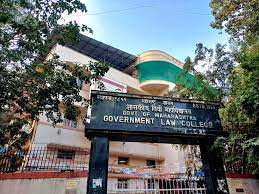
Government Law College, Mumbai
Oldest law college in Asia, offering top-notch legal education with proximity to Bombay High Court.

Symbiosis Law School, Pune
Reputed private law school with modern infrastructure, internships, and international exposure.
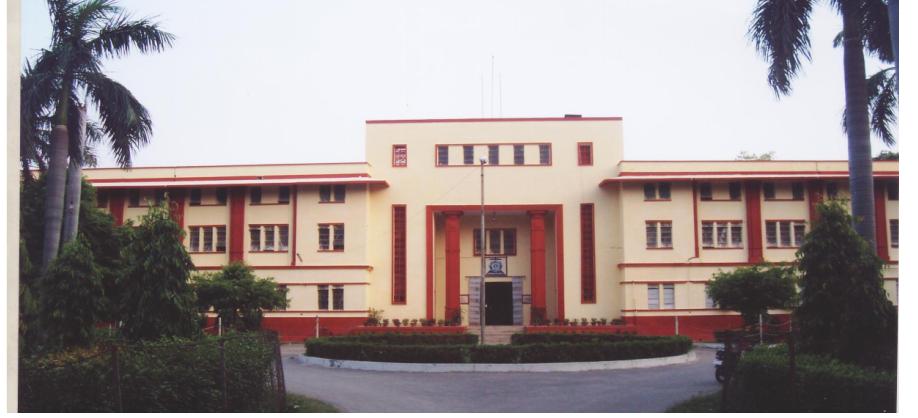
Faculty of Law, BHU
Part of Banaras Hindu University, offering rich legal heritage and diverse academic exposure.

ILS Law College, Pune
One of India’s most respected law colleges, known for academic rigor and court-based learning.

Faculty of Law, Jamia Millia Islamia
Emerging national law school with modern pedagogy, internships, and strong civil service linkage.
Selection Criteria for Featured Colleges
Academic Excellence
NAAC rating, NIRF rank, faculty expertise, and judicial alumni
Industry & Legal Exposure
Moot court competitions, internships at law firms, court visits
Placement Record
Law firms, corporate legal roles, litigation, and public sector offers
Location Advantage
Proximity to High Courts and Supreme Court, chambers, legal firms
Infrastructure
Law libraries, moot courts, legal research centers, hostel and campus amenities
Affordability
Reasonable fee structure, scholarships, and ROI value
Frequently Asked Questions
Here are detailed answers to common questions regarding the 3-year LLB program, including eligibility, exams, career prospects, and scope in India and abroad.
Who is eligible for the 3-year LLB course?
Any graduate (from any stream) with at least 45%-50% marks from a recognized university is eligible. Final-year students can also apply, subject to passing before admission.
There is no age limit as per Bar Council of India (BCI) norms, but some private institutions may have internal criteria.
What entrance exams are required for LLB admission?
Most reputed law colleges conduct entrance exams. Some of the top ones include:
- DU LLB Entrance: Conducted via CUET PG
- MH CET Law: For Maharashtra government and private colleges (GLC, ILS, etc.)
- PU CET (PG): For Punjab University
- BHU PET (Now CUET PG): For BHU Law
- LSAT India: For Jindal Global Law School and others
Can I practice law after completing LLB?
Yes. After completing LLB, you need to pass the All India Bar Examination (AIBE) conducted by the Bar Council of India (BCI) to receive a "Certificate of Practice" and practice in Indian courts.
You can work as an advocate, legal consultant, corporate legal advisor, or pursue judiciary exams.
What are the career options after LLB?
Graduates can pursue various paths depending on their interest:
- Litigation (practice in courts)
- Corporate Law (MNCs, legal firms, startups)
- Judiciary (via PCS-J exams)
- Legal Research & Academics
- Government Jobs (Law Officer, PSU, UPSC, SSC)
Top Recruiters: AZB Partners, Khaitan & Co., Trilegal, ICICI Bank, Infosys Legal, and government bodies
What is the average salary after LLB?
Salaries vary based on your role and law college:
- Litigation (Initial years): ₹2–5 LPA
- Corporate Law Firms: ₹7–15 LPA (Tier 1 colleges)
- In-house Legal Counsel: ₹5–10 LPA
- Judicial Services (Judges): ₹8–12 LPA + perks
Growth depends on experience, specialization, and firm reputation.
Is the 3-year LLB valid abroad?
Yes, but it depends on the country. For example:
- UK: LLB is valid, but you may need to take the SQE (Solicitors Qualifying Exam)
- USA: You’ll need to complete JD or take bar exams in certain states
- Canada: Must get your LLB evaluated by NCA before writing bar exams
Many Indian law graduates pursue LLM abroad for specialization or global practice.
Which are the top colleges for 3-year LLB in India?
- Faculty of Law, Delhi University
- Government Law College, Mumbai
- ILS Law College, Pune
- Symbiosis Law School, Pune
- BHU Law Faculty
- Jamia Millia Islamia
- Jindal Global Law School (Private)
Admission is usually through competitive exams or merit-based.