
Overview
The Master of Business Administration (MBA) is a prestigious two-year postgraduate program designed to develop managerial, leadership, and strategic thinking skills. It prepares students to excel in a wide range of industries including finance, marketing, operations, human resources, consulting, and entrepreneurship.
An MBA equips students with a deep understanding of core business concepts such as accounting, economics, marketing, organizational behavior, and business analytics. The curriculum combines theoretical knowledge with practical exposure through case studies, internships, and live business projects, enabling students to make data-driven and impactful decisions in dynamic business environments.
MBA graduates are highly sought-after by top companies globally for their problem-solving ability, communication skills, leadership potential, and cross-functional business knowledge. Whether aiming for corporate roles, startups, or public sector leadership, the MBA serves as a gateway to accelerated career growth and higher earning potential.
With a wide array of specializations like Finance, Marketing, HR, Operations, Business Analytics, and International Business, students can tailor their MBA journey according to their interests and career aspirations. Many programs also include global immersion, exchange opportunities, and industry mentorship for a holistic business education experience.
Modern MBA programs emphasize innovation, sustainability, and digital transformation, making graduates well-equipped to lead in an ever-changing, tech-driven economy. Whether pursued in India or abroad, an MBA opens doors to diverse opportunities and leadership roles across industries.
Key Highlights
- Duration: 2 years (4 semesters) + internship/industry project
- Eligibility: Bachelor’s degree (50% marks); entrance exams like CAT, XAT, GMAT
- Average Fees: ₹2L – ₹25L (varies by college)
- Job Prospects: Consulting, Finance, Marketing, HR, Operations, Startups
- Higher Studies: Fellow Programs in Management (FPM), Executive MBA, Global MBA
- Global Recognition: Accepted by top recruiters worldwide
- Specializations: Finance, Marketing, HR, Analytics, International Business & more
Courses & Specializations
MBA programs offer a wide range of specializations tailored to meet the diverse needs of modern businesses and global industries. These specializations allow students to align their education with their career goals—be it leadership roles in corporations, entrepreneurship, or domain-specific expertise.
Top business schools design their specialization tracks in close collaboration with industry leaders, ensuring that graduates are equipped with cutting-edge skills and real-world knowledge. Students typically choose their specialization in the second year of the MBA program after a foundational year of core business subjects.
Finance & Accounting
- Financial Management
- Investment Banking
- Corporate Finance
- Financial Analytics
- International Finance
- Banking & Insurance
- FinTech
Marketing
- Digital Marketing
- Brand Management
- Consumer Behavior
- Marketing Analytics
- Sales & Distribution
- Retail Management
- International Marketing
Human Resources
- Talent Acquisition & Management
- Organizational Behavior
- HR Analytics
- Compensation & Benefits
- Employee Relations
- Leadership & Development
- Labor Laws
Operations & Supply Chain
- Operations Strategy
- Logistics & Supply Chain
- Quality Management
- Project Management
- Manufacturing Systems
- Lean Six Sigma
- Procurement Management
Business Analytics & IT
- Data Analytics
- Business Intelligence
- Information Systems
- AI & Machine Learning
- IT Consulting
- Cybersecurity Management
General Management
- Strategic Management
- Leadership & Innovation
- Entrepreneurship
- International Business
- Change Management
- Corporate Governance
Healthcare & Pharma
- Healthcare Management
- Hospital Administration
- Pharmaceutical Management
- Medical Tourism
- Public Health Policy
Other Emerging Areas
- Sports Management
- Agribusiness Management
- Retail & E-Commerce
- Energy & Environment
- Real Estate Management
Emerging Specializations
Top B-schools are constantly innovating to offer new-age specializations that align with evolving business needs and technology disruptions:
ESG & Sustainability Management
Focuses on environmental, social, and governance (ESG) practices, helping businesses drive sustainable impact while maintaining profitability.
AI & Business Intelligence
Explores AI-powered decision-making, predictive analytics, and automation strategies in business operations and strategy.
Global Business & Diplomacy
Blends international business education with geopolitical understanding and global trade policy expertise.
Venture Capital & Startup Management
Covers startup incubation, fundraising, venture capital evaluation, and entrepreneurial leadership.
Subjects & Curriculum
The MBA curriculum is designed to develop a holistic understanding of business management through a mix of theoretical foundations, practical exposure, and leadership development. The two-year program is typically divided into four semesters, with the first year focusing on core business disciplines and the second year offering a range of electives and specializations.
MBA programs emphasize case-based learning, real-world problem solving, and interdisciplinary exposure. Students participate in internships, live projects, simulations, and industry interactions, ensuring they’re prepared to handle complex business challenges across industries and roles.
Year 1 (Semesters 1-2)
Core Foundation Phase
- Principles of Management
- Financial & Management Accounting
- Organizational Behavior & HRM
- Marketing Management
- Quantitative Techniques & Business Statistics
- Managerial Economics
- Operations Management
- Business Communication & Ethics
- IT for Managers / MIS
Year 2 (Semesters 3-4)
Specialization & Strategic Phase
- Elective Courses: Specialization subjects (Finance, Marketing, HR, etc.)
- Strategic Management
- Business Analytics / Data-Driven Decision Making
- Entrepreneurship & Innovation
- Global Business Environment
- Corporate Governance & Business Ethics
- Capstone Projects & Simulations
- Summer Internship Program: Industry internship between Year 1 & 2
- Final Dissertation or Live Project (optional)
Assessment Methods
MBA programs use a diverse mix of evaluation techniques to assess learning outcomes, industry readiness, and leadership potential:
Case Studies & Class Participation (30%)
In-depth discussion of real-world business problems to encourage analytical thinking and collaboration.
Written Exams & Quizzes (30%)
Tests conducted to evaluate conceptual understanding and problem-solving ability.
Projects & Presentations (20%)
Group/individual assignments, industry projects, and presentations to apply business knowledge.
Internship & Final Report (20%)
Assessment of learning from summer internships or final year projects including viva and documentation.
Career Opportunities
MBA graduates enjoy a wide spectrum of high-growth career opportunities across industries such as consulting, finance, marketing, human resources, operations, IT, and entrepreneurship. With a focus on leadership, strategic thinking, and decision-making, the MBA degree equips students to take on managerial and executive roles early in their careers.
The versatility of an MBA allows professionals to transition between industries, switch functional domains, or even launch their own ventures. Whether you're interested in climbing the corporate ladder, driving innovation, or managing global teams, an MBA opens the doors to lucrative and impactful roles.
With increasing demand for skilled managers and business leaders, top recruiters across the private and public sectors actively seek MBA talent from reputed institutions.
Consulting
MBA graduates in consulting roles work with clients to solve complex business problems, improve performance, and implement change:
- Management Consultant – ₹10–35 LPA (McKinsey, BCG, Bain, Deloitte)
- Strategy Consultant – ₹12–30 LPA (Accenture Strategy, PwC, KPMG)
- Operations Consultant – ₹8–25 LPA (EY, IBM, Capgemini)
- IT/Tech Consultant – ₹10–28 LPA (Infosys, Cognizant, TCS)
Finance & Banking
MBAs in finance manage company finances, investments, risk, and financial strategy:
- Investment Banker – ₹15–45 LPA (Goldman Sachs, JP Morgan, Morgan Stanley)
- Financial Analyst – ₹6–15 LPA (Credit Suisse, HDFC, CitiBank)
- Corporate Finance Manager – ₹10–25 LPA (Reliance, Tata, Mahindra)
- Private Equity/VC Analyst – ₹12–30 LPA (Sequoia, Accel, SoftBank)
Marketing & Brand Management
MBA marketing grads take up dynamic roles in product positioning, advertising, and consumer insights:
- Brand Manager – ₹8–20 LPA (Unilever, P&G, Nestlé)
- Digital Marketing Manager – ₹6–18 LPA (Nykaa, Zomato, Flipkart)
- Product Manager – ₹12–30 LPA (Google, Amazon, Paytm)
- Market Research Analyst – ₹6–12 LPA (Kantar, Nielsen, Ipsos)
Human Resources
HR professionals lead talent management, employee engagement, and organizational development:
- HR Business Partner – ₹7–18 LPA (Wipro, Infosys, Tata Steel)
- Talent Acquisition Manager – ₹6–15 LPA (Zoho, Flipkart, Infosys)
- L&D Specialist – ₹5–12 LPA (IBM, Cognizant, Tech Mahindra)
- Compensation & Benefits Analyst – ₹6–14 LPA (MNCs, banks)
Operations & Supply Chain
Operations managers ensure optimal processes, logistics, and supply chain management:
- Operations Manager – ₹8–20 LPA (Amazon, Flipkart, BigBasket)
- Supply Chain Analyst – ₹6–15 LPA (FedEx, Blue Dart, Maersk)
- Procurement Manager – ₹7–18 LPA (ITC, Asian Paints, Dabur)
- Logistics Manager – ₹6–16 LPA (DHL, Gati, Reliance)
Technology & Product
MBA tech graduates take on hybrid roles combining business acumen with technical expertise:
- Product Manager – ₹12–30 LPA (Microsoft, Meta, Razorpay)
- Business Analyst – ₹8–18 LPA (TCS, Accenture, Capgemini)
- IT Project Manager – ₹10–22 LPA (Infosys, IBM, Zoho)
- Business Intelligence Manager – ₹10–25 LPA (MuSigma, Fractal)
Entrepreneurship & Startups
MBA programs fuel entrepreneurial aspirations with incubation support and investor networking:
- Startup Founder – Variable earnings (Incubators, Angel networks)
- Venture Associate – ₹10–20 LPA (VC firms, accelerators)
- Innovation Consultant – ₹8–18 LPA (Startups, accelerators)
- Business Development Manager – ₹6–15 LPA (Early-stage startups)
Government & Public Sector
MBA graduates can pursue administrative and managerial roles in government enterprises:
- Bank PO/Manager (PSU Banks) – ₹6–10 LPA (SBI, PNB, Canara)
- Civil Services (IAS/IPS/IRS) – ₹8–15 LPA (UPSC)
- Public Sector Units (PSUs) – ₹7–14 LPA (ONGC, BHEL, IOCL)
- Policy Analyst – ₹6–12 LPA (NITI Aayog, NGOs, Govt bodies)
Admission Process
Admission to MBA programs in India is typically based on entrance exams followed by group discussions, personal interviews, and academic profiling. Understanding each stage of the MBA admission cycle is essential to maximize your chances of getting into a top B-school.
The process usually starts in August–October with entrance exam applications (CAT, XAT, etc.), followed by exams in November–February, and selection rounds from February–April. Final admissions are offered by May–June.
Eligibility Criteria
Basic requirements for applying to MBA programs:
- Educational Qualification: Bachelor’s degree in any discipline from a recognized university
- Minimum Marks: 50% aggregate (45% for SC/ST/OBC categories)
- Final-Year Students: Eligible to apply provisionally
- Entrance Exam: Valid score in CAT/XAT/MAT/CMAT/NMAT etc.
- Age Limit: No specific age limit
- Work Experience: Preferred but not mandatory (for most institutes)
Types of Admission
Entrance Exam Based
Admission through national-level tests like CAT, XAT, MAT, CMAT, NMAT, SNAP, etc., followed by GD/PI rounds.
Direct Admission
Private institutes offer direct admission based on academic profile, personal interview, and work experience (if any).
Sponsored/Management Quota
Certain seats are reserved for industry-sponsored candidates or under management quota in private colleges.
Application Process
Step-by-step MBA application procedure:
- Choose Exam & Colleges: Identify target exams and B-schools
- Register & Apply: Fill application forms for entrance tests and institutes
- Appear for Exams: Take entrance test (CAT, XAT, etc.) and await score
- Shortlisting: B-schools release shortlist for GD/PI/WAT based on cut-offs
- GD/PI Process: Appear for Group Discussion, Written Ability Test, and Interview
- Final Selection: Composite scores based on entrance exam, academic performance, and interview
- Offer Letter & Admission: Accept offer, verify documents, and pay admission fee
Required Documents
Documents typically required during MBA admission:
- Academic Documents: 10th, 12th, and graduation mark sheets & certificates
- Scorecard: CAT/XAT/CMAT/NMAT/MAT official scorecard
- Photo ID Proof: Aadhaar, PAN, Passport, or Voter ID
- Photographs: Recent passport-size photos (4–6)
- Work Experience Proof: Appointment letters, experience certificates (if applicable)
- Category Certificate: For SC/ST/OBC/EWS candidates
- Domicile Certificate: If applying under state quota
Important Dates & Timeline
August – October
Application for CAT, XAT, SNAP, NMAT, etc.
November – February
Entrance exams conducted, results declared
February – April
Shortlisting, GD/PI/WAT rounds
May – June
Final admission offers and fee submission
Fee Structure
The fee structure for MBA programs in India varies widely depending on the type of institution, location, specialization, and brand reputation. Top-tier IIMs and private B-schools generally have higher fees, while government colleges and regional universities offer more affordable options.
In addition to tuition fees, MBA aspirants should also account for accommodation, study materials, exam fees, corporate immersion programs, and living expenses. Many colleges offer financial aid, scholarships, and loan assistance for eligible candidates.
| College Type | Average Annual Fees | Total Course Fee | Additional Costs |
|---|---|---|---|
| Government Colleges (e.g., FMS, DMS IITs) | ₹50,000 - ₹2,00,000 | ₹1L - ₹4L | ₹50,000 - ₹1L |
| IIMs & Top B-Schools | ₹10L - ₹12L | ₹20L - ₹25L | ₹1L - ₹2L |
| Private Colleges (Tier 2/3) | ₹3L - ₹6L | ₹6L - ₹12L | ₹75K - ₹1.5L |
| Deemed/Private Universities | ₹2L - ₹4L | ₹4L - ₹8L | ₹1L - ₹2L |
| International MBA (Abroad) | ₹20L - ₹50L | ₹40L - ₹1 Cr+ | ₹5L - ₹10L |
Detailed Cost Breakdown
Academic Expenses
- Tuition Fees: ₹2L - ₹12L per year
- Library & Digital Resources: ₹5K - ₹25K per year
- Examination & Certification: ₹5K - ₹15K per year
- Study Materials & Case Packs: ₹10K - ₹20K per year
- Corporate/Industry Visits: ₹10K - ₹50K (varies)
Living Expenses
- Hostel/PG Accommodation: ₹50K - ₹2L per year
- Food & Mess: ₹30K - ₹60K per year
- Transport & Local Travel: ₹10K - ₹30K per year
- Personal Expenses: ₹20K - ₹40K per year
Financial Aid Options
- Merit-Based Scholarships: Up to 100% tuition fee waiver
- Need-Based Assistance: Covers up to 75% of total cost
- Corporate Sponsorships: For working professionals (Executive MBA)
- Education Loans: Upto ₹25L, with EMI moratorium post-graduation
Miscellaneous Costs
- Internship/Placement Travel: ₹10K - ₹30K
- Club Memberships & Networking: ₹5K - ₹15K
- Laptop & Software Tools: ₹40K - ₹80K (one-time)
- International Immersion/Exchange: ₹1L - ₹5L (optional)
Note: Fees and expenses may vary significantly depending on the B-school’s location, ranking, infrastructure, and placement opportunities. Always refer to official college websites or brochures for exact figures and latest updates.
Course Comparison
Choosing the right postgraduate program is a key step in shaping your career. Here's a comprehensive comparison of the MBA with other popular postgraduate options to help you make an informed decision based on your career goals, industry preference, and educational background.
| Course | Duration | Focus Area | Career Scope | Average Salary | Popular Higher Studies |
|---|---|---|---|---|---|
| MBA | 2 years | Business Management & Leadership | Marketing, Finance, HR, Consulting, Entrepreneurship | ₹6-25 LPA | Ph.D., Executive MBA, Certifications |
| M.Com | 2 years | Commerce, Finance, Accounting | Academia, Finance, Banking, Taxation | ₹3-8 LPA | CA, CS, Ph.D., MBA |
| M.Tech | 2 years | Engineering & Technology | R&D, Engineering, Technical Roles | ₹5-15 LPA | Ph.D., MBA |
| PGDM | 2 years | Industry-Oriented Management | Same as MBA, often with better industry alignment | ₹6-20 LPA | Executive MBA, Ph.D. |
| CA | 3-5 years | Accounting, Auditing, Taxation | Audit Firms, Finance Departments, Consulting | ₹6-18 LPA | CPA, MBA, CISA |
| MS (Abroad) | 1-2 years | STEM, Business Analytics, Finance, etc. | Tech, Research, Analytics, Academia | ₹10-40 LPA (varies by country) | Ph.D., Certifications |
Course Analysis
MBA vs M.Com
Choose MBA if: You aim for leadership, strategic roles, or want to enter industries like consulting, FMCG, or startups.
Choose M.Com if: You are focused on academic, taxation, accounting, or research-oriented careers.
MBA vs PGDM
Choose MBA if: You prefer a university-affiliated, theoretically rooted program with UGC recognition.
Choose PGDM if: You want an industry-focused, autonomous curriculum often updated with real-world case studies and trends.
MBA vs MS
Choose MBA if: You want to lead business functions, manage teams, or transition into management roles across sectors.
Choose MS if: You're looking to build deep expertise in a specialized field like Data Science, Engineering, or Finance.
MBA vs CA
Choose MBA if: You want managerial growth in corporate leadership, marketing, or operations.
Choose CA if: You are focused on core financial auditing, taxation, and accounting practices with a strong finance foundation.
Popular Colleges
India is home to some of the most prestigious business schools offering MBA programs that are globally recognized for academic excellence, leadership development, industry integration, and strong placement records.
IIM Ahmedabad
Location: Gujarat | NIRF Ranking: 1 (2023)
Fee Range: ₹24L (2 years)
Specializations: General Management, Finance, Marketing, Strategy
Notable Features: World-renowned faculty, case-based pedagogy, excellent global placements
IIM Bangalore
Location: Karnataka | NIRF Ranking: 2 (2023)
Fee Range: ₹24L (2 years)
Specializations: Finance, Strategy, HR, Operations
Notable Features: Beautiful campus, international exchange, leadership focus
IIM Calcutta
Location: West Bengal | NIRF Ranking: 3 (2023)
Fee Range: ₹23L (2 years)
Specializations: Analytics, Finance, Consulting, Marketing
Notable Features: Ivy-league alliances, finance powerhouse, scenic campus
FMS Delhi
Location: Delhi University | NIRF Ranking: 12 (2023)
Fee Range: ₹2L (2 years)
Specializations: Marketing, HR, Finance, Strategy
Notable Features: ROI champion, excellent placement stats, DU legacy
XLRI Jamshedpur
Location: Jharkhand | NIRF Ranking: 9 (2023)
Fee Range: ₹24L (2 years)
Specializations: Human Resource Management, General Management
Notable Features: Best for HR, strong alumni network, Jesuit values
SPJIMR Mumbai
Location: Maharashtra | NIRF Ranking: 20 (2023)
Fee Range: ₹20L (2 years)
Specializations: Finance, Marketing, Operations, Information Management
Notable Features: Value-based education, international immersion
IIFT Delhi
Location: New Delhi | NIRF Ranking: 27 (2023)
Fee Range: ₹21L (2 years)
Specializations: International Business, Trade & Finance
Notable Features: Government-run, international trade focus, global opportunities
NMIMS Mumbai
Location: Maharashtra | NIRF Ranking: 21 (2023)
Fee Range: ₹22L (2 years)
Specializations: Finance, Marketing, Operations, Analytics
Notable Features: Strong corporate connect, modern infrastructure
State-wise Top MBA Colleges
North India
- IIM Lucknow (Uttar Pradesh)
- FMS Delhi (Delhi)
- IIFT Delhi (Delhi)
- MDI Gurgaon (Haryana)
West India
- IIM Ahmedabad (Gujarat)
- SPJIMR Mumbai (Maharashtra)
- NMIMS Mumbai (Maharashtra)
- JBIMS Mumbai (Maharashtra)
East India
- IIM Calcutta (West Bengal)
- XLRI Jamshedpur (Jharkhand)
- IIM Ranchi (Jharkhand)
- Vinod Gupta School of Management – IIT Kharagpur
South India
- IIM Bangalore (Karnataka)
- IIM Kozhikode (Kerala)
- IIM Trichy (Tamil Nadu)
- Great Lakes Institute of Management (Chennai)
Central India
- IIM Indore (Madhya Pradesh)
- IFMR GSB (Sri City, AP - near MP border)
- Prestige Institute of Management (Gwalior)
- Jaipuria Institute of Management (Indore)
North-East India
- IIM Shillong (Meghalaya)
- Tezpur University (Assam)
- Assam University (Silchar)
- Mizoram University (Aizawl)
Top Entrance Exams
Admission to top MBA colleges in India is primarily through competitive entrance exams. Understanding their structure, timelines, and preparation strategies is key to securing a seat at a reputed B-school.
CAT (Common Admission Test)
Purpose: Admission to IIMs and over 1,000 B-schools
Exam Date: Last Sunday of November | Application: August–September
Sections: VARC, DILR, QA
Accepted By: All IIMs, FMS, SPJIMR, MDI, etc.
XAT (Xavier Aptitude Test)
Purpose: Admission to XLRI and 160+ B-schools
Exam Date: First Sunday of January | Application: August–December
Sections: Decision Making, Verbal & Logical, Quant, GK
Accepted By: XLRI, XIMB, IMT, TAPMI, etc.
NMAT by GMAC
Purpose: Admission to NMIMS and other partner institutes
Exam Date: October–December (multiple attempts) | Application: August–November
Sections: Language Skills, Quantitative Skills, Logical Reasoning
Accepted By: NMIMS, ISB (AMPBA), K J Somaiya, etc.
SNAP (Symbiosis National Aptitude Test)
Purpose: Admission to Symbiosis International University
Exam Date: December (multiple attempts) | Application: August–November
Sections: General English, Quantitative Aptitude, Reasoning
Accepted By: SIBM Pune, SCMHRD, SIOM, etc.
CMAT (Common Management Admission Test)
Purpose: Admission to AICTE-approved colleges
Exam Date: April-May | Application: February–March
Sections: Quant, LR, English, GK, Innovation & Entrepreneurship
Accepted By: Great Lakes, K J Somaiya, Welingkar, etc.
MAT (Management Aptitude Test)
Purpose: Admission to 600+ B-schools
Exam Date: Conducted in Feb, May, Sept, Dec | Application: Month prior to exam
Modes: CBT, PBT, IBT
Accepted By: Tier-2 and Tier-3 institutes across India
Other Exams & Institute-Specific Tests
TISSNET
For MA in HRM & LR at TISS Mumbai
Status: Now replaced by CUET PG
IBSAT
For admission to ICFAI Business Schools (IBS Hyderabad and others)
Exam Mode: Online, proctored from home
MICAT
For admission to MICA Ahmedabad (specialized in Strategic Marketing & Communication)
Unique Section: Psychometric Test, Descriptive Writing
ATMA
Approved by AICTE, accepted by many mid-tier B-schools
Exam Frequency: 4–5 times a year
Preparation Tips
Study Strategy
- Start 6–10 months before the exam for top scores
- Daily practice for Quant, LRDI, and Reading Comprehension
- Use official mock tests (especially for CAT, XAT, NMAT)
- Track performance and work on weak areas
Time Management
- Stick to a personalized study timetable
- Practice solving full-length mocks under timed conditions
- Balance speed and accuracy, especially in adaptive exams (e.g., NMAT)
- Revise formulas and vocabulary regularly
Featured MBA Colleges
These premier B-schools in India are known for world-class faculty, modern infrastructure, industry-aligned curriculum, and strong placement records, making them the top choices for MBA aspirants.

IIM Ahmedabad
India’s top-ranked B-school known for academic rigor, case-based learning, and stellar placements.

IIM Bangalore
Globally reputed institute with strong emphasis on leadership, innovation, and international exposure.

IIM Calcutta
India’s oldest IIM, famous for finance, consulting roles, and strong alumni network in global corporates.
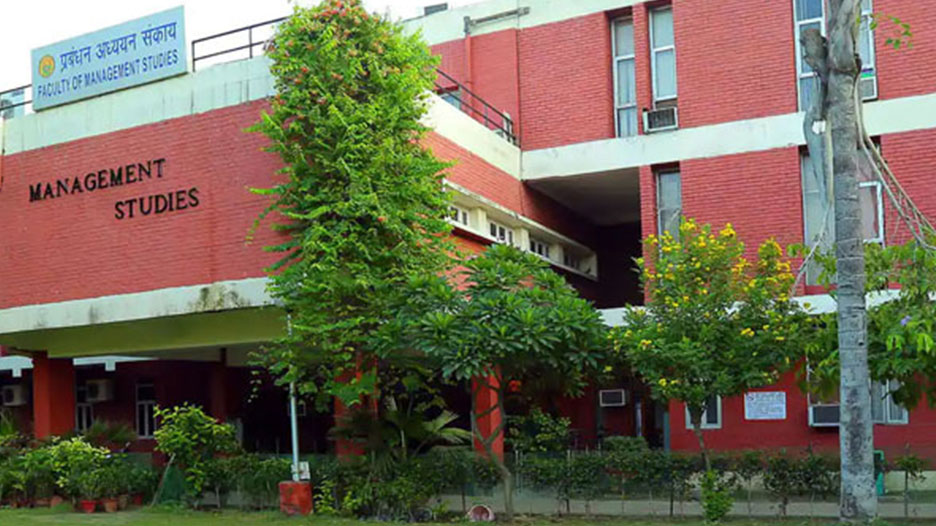
FMS Delhi
Top ROI B-school known for affordable fees, strong academics, and elite placement outcomes.

SPJIMR Mumbai
Highly ranked private B-school with unique value-based curriculum and global exposure.

ISB Hyderabad
Premier one-year MBA program with international collaborations and top-tier recruiters.
Selection Criteria for Featured Colleges
Academic Excellence
Consistently top-ranked in NIRF, global accreditations (AACSB, EQUIS), and peer reputation
Placement Record
High average salary, 100% placement rate, top recruiters in consulting, tech, finance
Industry Connect
Live projects, CXO-level guest lectures, summer internships, and global immersion programs
Alumni Network
Strong presence in leadership roles across industries and excellent career mentoring support
ROI & Affordability
Affordable tuition (like FMS) or high return on investment through top-tier placements
Global Outlook
International exchange programs, dual degree options, and world-class curriculum design
Frequently Asked Questions
Here are comprehensive answers to the most commonly asked questions about MBA programs, admission process, career prospects, and specialization choices.
What is the eligibility criteria for MBA in India?
The basic eligibility for an MBA program in India is:
- A bachelor’s degree in any discipline (minimum 50% marks, 45% for reserved categories)
- Final-year students can also apply
- Qualifying entrance exams like CAT, XAT, MAT, CMAT, or university-specific exams
Which entrance exams are required for MBA admission?
Top entrance exams for MBA in India include:
- CAT: Indian Institutes of Management (IIMs) and top B-schools
- XAT: XLRI and other top private institutes
- CMAT: AICTE-approved colleges
- NMAT: NMIMS and partner institutes
- SNAP: Symbiosis International University
- MAT: Mid-tier B-schools nationwide
What are the most in-demand MBA specializations?
Some of the most popular and rewarding MBA specializations are:
- Marketing: Brand management, sales, market research
- Finance: Investment banking, equity research, corporate finance
- HR: Talent acquisition, employee engagement, HR analytics
- Operations: Supply chain, logistics, manufacturing systems
- Business Analytics: Data-driven decision-making roles
- IT/Systems: Tech strategy, product management
How much salary can I expect after MBA?
Salaries vary widely based on college reputation, specialization, and profile:
Average CTC (based on tier):
- IIM A/B/C, ISB: ₹25–40 LPA
- IIMs Tier 2, FMS, XLRI, SPJIMR: ₹15–30 LPA
- Tier 3 B-Schools: ₹5–12 LPA
Top roles include product manager, consultant, investment banker, brand manager, and HR business partner.
Is work experience necessary for an MBA?
No, most Indian MBA programs accept fresh graduates. However, having 1–3 years of experience can boost your profile, especially for:
- ISB and IIM Executive MBAs
- Global MBA programs abroad
- Better internship and placement roles
What is the difference between PGDM and MBA?
MBA: Degree offered by universities or university-affiliated colleges.
PGDM: Diploma offered by autonomous institutes approved by AICTE.
Both are equivalent in the job market. PGDMs often have industry-oriented, updated curricula, while MBAs may follow a more theoretical syllabus.
Can I pursue MBA abroad after graduation in India?
Yes. Indian graduates often pursue MBAs abroad in countries like USA, UK, Canada, and Australia.
Typical requirements:
- 2+ years of work experience (for most programs)
- GMAT/GRE scores
- IELTS/TOEFL scores
- SOPs, LORs, Resume
Popular programs include Harvard, INSEAD, Wharton, LBS, and Rotman.
What is the ROI of an MBA program?
ROI (Return on Investment) depends on:
- Program fee: Ranges from ₹1 lakh (FMS) to ₹35+ lakh (ISB, IIMs)
- Average placement: Should ideally be 2.5–3× of the annual fee
- Payback period: 1–3 years for top colleges
Colleges like FMS, JBIMS, and IIFT offer the best ROI due to low fees and high salaries.