Overview
Master of Computer Applications (MCA) is a 2-year postgraduate program designed to develop advanced skills in computer science, application development, and IT management. It prepares graduates for high-level careers in software engineering, system design, and emerging tech domains.
The MCA curriculum includes core subjects like data structures, software engineering, database systems, machine learning, cloud computing, and advanced programming. It is tailored to meet current industry needs with a strong emphasis on hands-on training and real-world projects.
MCA graduates are highly sought after in IT companies, product startups, financial institutions, and consulting firms. The program also opens pathways to leadership roles, research, and entrepreneurship in the technology domain.
Modern MCA programs integrate internships, capstone projects, and certification-oriented modules to enhance employability. With exposure to case studies and industry tools, students are prepared to tackle complex technological challenges.
Whether you aim to specialize in data science, AI, cybersecurity, or enterprise software, MCA offers a robust academic and professional foundation for tech-driven careers.
Key Highlights
- Duration: 2 years (4 semesters)
- Eligibility: BCA/B.Sc (CS/IT) or any UG degree with Mathematics
- Average Fees: ₹40,000 – ₹3,00,000 per year
- Job Prospects: Software Engineer, Data Scientist, System Analyst, DevOps Engineer
- Higher Studies: M.Tech, MBA (Tech), Certifications in AI/ML, Cloud, Cybersecurity
- Global Recognition: Preferred for MS/PhD abroad in CS and IT
- Specializations: Data Science, Cloud Computing, AI & ML, Cybersecurity, Full Stack
Courses & Specializations
MCA programs offer a variety of specialized tracks aimed at building deep technical expertise and leadership in key areas of computer science. These specializations allow students to tailor their education based on industry demand and career aspirations.
The curriculum balances core computing concepts with advanced technologies and practical exposure through labs, live projects, and internships. Many institutes collaborate with tech companies to align their MCA offerings with current trends and future needs.
Core Domains
- MCA in Computer Science
- MCA in Software Engineering
- MCA in Application Development
- MCA in Database Systems
- MCA in Network Management
- MCA in IT Infrastructure
Advanced Tech
- MCA in Artificial Intelligence
- MCA in Machine Learning
- MCA in Data Science
- MCA in Cybersecurity
- MCA in Cloud Computing
- MCA in Full Stack Development
Analytics & Business
- MCA in Business Analytics
- MCA in Financial Technology (FinTech)
- MCA in IT & E-Governance
- MCA in Digital Transformation
- MCA in Information Systems Management
Innovation & UX
- MCA in UI/UX & Product Design
- MCA in Game Design & Development
- MCA in AR/VR Technologies
- MCA in Mobile App Engineering
- MCA in Multimedia Systems
Emerging Specializations
To stay future-ready, several institutions offer niche MCA specializations aligned with disruptive technologies and evolving IT roles:
🤖 AI & Deep Learning
Involves neural networks, NLP, computer vision, and applied AI systems across industries.
☁️ Cloud & DevOps
Training in AWS, Azure, DevOps tools, CI/CD pipelines, and modern cloud-native application deployment.
🔒 Blockchain & Web3
Focuses on distributed systems, Ethereum, Solidity, and building decentralized applications (dApps).
📊 Big Data Engineering
Hands-on with Hadoop, Spark, NoSQL, and tools for managing and analyzing massive datasets at scale.
Subjects & Curriculum
The MCA curriculum is designed to equip students with advanced knowledge of computer science, software engineering, data analytics, and emerging technologies. It blends theoretical depth with practical skills through projects, internships, and lab work.
Typically spread over four semesters (2 years), the program progresses from core technical subjects to specialized electives, research, and industry engagement. The focus is on producing highly skilled software professionals and IT leaders.
Year 1 (Semesters 1-2)
Core Concepts & Programming
- Advanced Programming in Java/Python
- Data Structures & Algorithms
- Database Management Systems
- Computer Networks & Security
- Operating Systems
- Discrete Mathematics
- Software Engineering
Year 2 (Semesters 3-4)
Specializations, Research & Industry Training
- Electives: AI/ML, Cloud Computing, Blockchain, IoT
- Web & Mobile App Development
- Big Data & Analytics / Cybersecurity
- DevOps & Agile Methodologies
- Major Project / Dissertation
- Industrial Training / Internship
- Seminar & Technical Communication
Assessment Methods
MCA programs evaluate students across theoretical understanding, coding proficiency, and practical application:
End-Semester Exams (40%)
Written exams on advanced computing concepts and problem-solving
Lab Practicals (30%)
Live coding tests, project-based lab assessments, and implementation tasks
Assignments & Case Studies (20%)
Regular coursework, code reviews, and domain-specific research assignments
Project & Viva (10%)
Final year project with presentation, technical documentation, and viva voce
Career Opportunities
MCA graduates are highly valued in the tech industry for their advanced expertise in software development, data science, cloud computing, cybersecurity, and enterprise applications.
The program opens doors to mid- and senior-level roles in IT firms, MNCs, startups, and the public sector. With specialization and experience, MCA holders often grow into leadership, architectural, and consulting roles.
It also serves as a launchpad for global opportunities and advanced certifications like AWS, Azure, PMP, and professional pathways such as MBA or MS abroad.
Software Engineering & Development
- Software Engineer – ₹6–12 LPA (Tech firms, startups)
- Full Stack Developer – ₹7–14 LPA (Product-based companies)
- Solution Architect – ₹10–20 LPA (MNCs, SaaS firms)
- UI/UX Engineer – ₹6–10 LPA (Tech & design firms)
Data & Cloud Technologies
- Data Scientist / Analyst – ₹8–16 LPA (Finance, retail, health tech)
- Cloud Engineer – ₹8–15 LPA (AWS, Azure, GCP roles)
- DevOps Engineer – ₹9–18 LPA (Product & infra companies)
- Database Architect – ₹8–14 LPA (Enterprise systems)
Cybersecurity & Emerging Tech
- Cybersecurity Analyst – ₹7–14 LPA (BFSI, IT security)
- AI/ML Engineer – ₹9–20 LPA (AI labs, startups)
- Blockchain Developer – ₹10–18 LPA (Fintech, Web3)
- R&D Engineer – ₹10–22 LPA (Innovation centers)
Product, Management & Consulting
- Technical Consultant – ₹7–15 LPA (ERP, CRM, ITSM domains)
- Product Manager (Tech) – ₹10–25 LPA (SaaS/product companies)
- Business Analyst (IT) – ₹6–12 LPA (Tech-enabled enterprises)
- Project Manager – ₹12–25 LPA (After PMP/Scrum/Agile)
Academia, Government & Research
- Assistant Professor (MCA/BCA) – ₹5–9 LPA (Universities, colleges)
- Scientist B (NIC, ISRO, DRDO) – ₹7–12 LPA (Govt. R&D)
- Bank IT Officer / SSC IT Roles – ₹6–10 LPA (Public sector)
- Research Fellow / PhD – ₹5–10 LPA (AICTE, UGC-funded)
Entrepreneurship & Freelancing
- Tech Startup Founder – Variable (Apps, SaaS, AI tools)
- Freelance Consultant/Developer – ₹6–20 LPA+ (Remote & global projects)
- IT Trainer / Influencer – ₹5–15 LPA (Courses, YouTube, Udemy)
Admission Process
MCA (Master of Computer Applications) admissions are offered through entrance exams, merit lists, or direct admission based on academic background. Most reputed universities conduct entrance tests or accept national-level scores.
Admissions usually begin between February and April, with exams and counseling conducted till July. Classes typically start between August and September.
Eligibility Criteria
Applicants must meet the following conditions:
- Education: Bachelor’s degree (preferably BCA/B.Sc CS/B.Tech) from a recognized university
- Maths Requirement: Mathematics at 10+2 or Graduation level is mandatory
- Minimum Marks: 50% aggregate (45% for reserved categories)
- Age Limit: Usually no age bar (varies by institution)
Types of Admission
Entrance Exam Based
Most popular route via NIMCET, CUET PG, IPU CET, TANCET, etc.
Merit-Based Admission
Direct admission based on UG marks in private or deemed universities.
Management Quota
Offered by private institutions for a limited number of seats.
Application Process
- Choose Exam/College: Identify exams or universities accepting MCA applicants
- Apply Online: Fill the form on official websites
- Pay Fees: Submit application fee online
- Upload Documents: Academic certificates, ID proof, etc.
- Take Entrance Test: (If applicable) and await results
- Counseling Process: Attend centralized or college-level counseling
- Admission Confirmation: Lock your seat with initial fee
- Document Verification: Submit original documents to the college
- Begin Classes: Join academic session as per schedule
Required Documents
- 10th & 12th Mark Sheets
- Graduation Marksheets / Degree Certificate
- Maths Proof (10+2 or UG level)
- Transfer & Character Certificate
- Entrance Exam Scorecard (if applicable)
- Photo ID (Aadhar, Passport, etc.)
- Category/Domicile Certificate (if applicable)
Important Dates & Timeline
February - April
Application opens for NIMCET, CUET PG, IPU CET, etc.
May - June
Entrance exams & results declared
June - July
Counseling & seat allotment rounds
August - September
Admission closure & academic session begins
Fee Structure
The fee structure for MCA programs varies depending on the type of institution, its accreditation, location, and facilities. It's important to evaluate both academic and living costs while planning for MCA studies.
In addition to tuition, students should budget for costs such as accommodation, software, project resources, and certifications. Many institutions and government bodies offer scholarships and education loans to eligible candidates.
| College Type | Average Annual Fees | Total Course Fee | Additional Costs |
|---|---|---|---|
| Government Colleges | ₹15,000 - ₹60,000 | ₹30,000 - ₹1,20,000 | ₹25,000 - ₹50,000 |
| Private Colleges | ₹70,000 - ₹2,50,000 | ₹1,40,000 - ₹5,00,000 | ₹50,000 - ₹90,000 |
| Deemed Universities | ₹1,00,000 - ₹3,00,000 | ₹2,00,000 - ₹6,00,000 | ₹60,000 - ₹1,20,000 |
| International Universities | ₹8,00,000 - ₹20,00,000 | ₹16,00,000 - ₹40,00,000 | ₹2,00,000 - ₹5,00,000 |
Detailed Cost Breakdown
Academic Expenses
- Tuition Fees: ₹15,000 - ₹3,00,000 per year
- Software & Lab Access: ₹5,000 - ₹20,000 per year
- Library & Tech Resources: ₹3,000 - ₹10,000 per year
- Project Work & Tools: ₹5,000 - ₹25,000 per year
- Books & Digital Material: ₹5,000 - ₹12,000 per year
Living Expenses
- Hostel/PG Rent: ₹40,000 - ₹1,50,000 per year
- Mess & Food: ₹30,000 - ₹60,000 per year
- Internet & Devices: ₹10,000 - ₹25,000 per year
- Personal/Misc: ₹15,000 - ₹35,000 per year
Financial Aid Options
- Merit Scholarships: Up to 100% tuition waiver
- State/Central Schemes: ₹20,000 - ₹50,000 annually
- Private NGO Scholarships: Based on income/merit
- Bank Loans: ₹50,000 – ₹15,00,000 with flexible EMI
Miscellaneous Costs
- Certifications (Cloud, Data, AI): ₹5,000 - ₹20,000
- Workshops & Hackathons: ₹2,000 - ₹8,000
- Industrial Visits: ₹3,000 - ₹10,000
- Placement Training & Aptitude: ₹2,000 - ₹5,000
Note: The above costs are indicative and can vary by college, city, and specialization. Always verify the latest fee structure on the official website of the college/university.
Course Comparison
Choosing the right postgraduate degree is crucial for advancing your career. Below is a comparison of MCA with other top master's programs in technology and management to help you make an informed decision based on your goals and interests.
| Course | Duration | Focus Area | Career Scope | Average Salary | Ideal For |
|---|---|---|---|---|---|
| MCA | 2 years | Advanced Computer Applications | Software Dev, AI, Cloud, Data Science | ₹5–20 LPA | IT graduates, coders, tech enthusiasts |
| M.Tech (CSE) | 2 years | Technical Computer Science | Research, Core Dev, Product Companies | ₹6–25 LPA | B.Tech/BE holders in CS/IT |
| MBA (Tech/IT) | 2 years | Tech + Business Management | Tech PM, Analyst, Consulting | ₹7–30 LPA | IT grads aiming for leadership roles |
| M.Sc IT | 2 years | Information Technology Concepts | IT Admin, QA, Analyst Roles | ₹4–12 LPA | Science grads with CS/IT base |
| PG Diploma (AI/DS/Cloud) | 1 year | Specialized Emerging Tech | AI Dev, Data Engg, Cloud Ops | ₹6–18 LPA | Upskilling for working professionals |
Course Analysis
MCA vs M.Tech (CSE)
Choose MCA if: You want a strong application-oriented tech program without heavy engineering theory.
Choose M.Tech if: You’re from an engineering background and want to pursue technical R&D or core software roles.
MCA vs MBA (IT)
Choose MCA if: You want to remain hands-on in tech—development, analytics, or IT systems.
Choose MBA (IT) if: You're aiming for business strategy, product management, or tech leadership roles.
MCA vs M.Sc IT
Choose MCA if: You want broader career options in development, tech startups, and enterprise IT.
Choose M.Sc IT if: You prefer academic/analytical IT roles or plan for research/Ph.D later.
MCA vs PG Diplomas
Choose MCA if: You want a full-fledged master's degree with long-term growth and specializations.
Choose PG Diploma if: You're working or need a quick upskilling in a specific domain (AI, Cloud, Cybersecurity).
Popular Colleges
India is home to several top-rated institutions offering MCA programs that combine theoretical depth with practical exposure. These colleges are renowned for academic excellence, modern labs, top-tier placements, and strong industry partnerships.
University of Hyderabad
Location: Hyderabad, Telangana | NIRF Ranking: 20 (2023)
Fee Range: ₹25,000 - ₹40,000 per year
Specializations: General MCA, AI & ML, Software Engineering
Notable Features: Central university, excellent placements, affordable fees
Jawaharlal Nehru University (JNU)
Location: New Delhi | NIRF Ranking: 2 (2023)
Fee Range: ₹5,000 - ₹10,000 per year
Specializations: General MCA
Notable Features: Highly affordable, research-oriented, prestigious faculty
NIT Trichy
Location: Tamil Nadu | NIRF Ranking: 9 (2023)
Fee Range: ₹80,000 - ₹1,50,000 per year
Specializations: Computer Applications, Systems Software
Notable Features: National-level brand, high ROI, top-tier tech recruiters
VIT Vellore
Location: Tamil Nadu | NIRF Ranking: 11 (2023)
Fee Range: ₹1,40,000 - ₹1,95,000 per year
Specializations: AI, Cybersecurity, Data Analytics
Notable Features: Modern labs, innovation focus, global tie-ups
Christ University
Location: Bangalore, Karnataka | NIRF Ranking: 13 (2023)
Fee Range: ₹1,60,000 - ₹2,20,000 per year
Specializations: Data Science, Full Stack, Cloud Computing
Notable Features: High placements, tech exposure, modern pedagogy
MIT-WPU
Location: Pune, Maharashtra
Fee Range: ₹1,70,000 - ₹2,50,000 per year
Specializations: Data Science, IoT, Blockchain
Notable Features: Industry tie-ups, experiential learning, entrepreneurship support
IGNOU
Location: New Delhi | NIRF: Not Applicable
Fee Range: ₹12,000 - ₹15,000 per year
Specializations: General MCA (Distance Mode)
Notable Features: Flexible learning, UGC-recognized, low cost
State-wise Top Colleges
North India
- Jawaharlal Nehru University (Delhi)
- Jamia Millia Islamia (Delhi)
- Punjab University (Chandigarh)
- Kurukshetra University (Haryana)
West India
- MIT-WPU (Pune)
- Savitribai Phule Pune University (Pune)
- GLS University (Ahmedabad)
- Rajasthan Technical University (Kota)
East India
- Utkal University (Odisha)
- Jadavpur University (Kolkata)
- BIT Mesra (Ranchi)
- Patna University (Bihar)
South India
- University of Hyderabad
- Christ University (Bangalore)
- NIT Trichy
- VIT Vellore
Central India
- Barkatullah University (Bhopal)
- Makhanlal Chaturvedi University (Bhopal)
- Rani Durgavati University (Jabalpur)
- ITM University (Gwalior)
North-East India
- Tezpur University (Assam)
- NIT Silchar
- Assam University (Silchar)
- Manipur University (Imphal)
Top Entrance Exams
MCA admissions in India are primarily done through national, state-level, and university-specific entrance exams. These tests evaluate candidates' mathematical aptitude, computer awareness, logical reasoning, and general English skills. Strategic preparation can significantly boost your chances of getting into top MCA colleges.
NIMCET (NIT MCA Common Entrance Test)
Purpose: Admission to MCA programs at 9 participating NITs
Exam Date: June | Application: March-April
Subjects: Mathematics, Logical Reasoning, Computer Awareness, English
Colleges: NIT Trichy, NIT Surathkal, NIT Warangal, etc.
CUET PG (Common University Entrance Test – PG)
Purpose: Admission to MCA programs in central and participating universities
Exam Date: March-April | Application: January-February
Subjects: Computer Science, Logical Reasoning, Quantitative Ability
Participating Universities: JNU, BHU, University of Hyderabad, etc.
MAH MCA CET
Purpose: Admission to MCA colleges in Maharashtra
Exam Date: March | Application: January
Subjects: Math, Logical Reasoning, General Awareness, English
Colleges: Mumbai University, Pune University, MIT-WPU
TANCET (Tamil Nadu Common Entrance Test)
Purpose: MCA admissions in Tamil Nadu colleges and universities
Exam Date: March | Application: February
Subjects: Quantitative Aptitude, Logical Reasoning, Computer Awareness
Colleges: Anna University, PSG College, SRM University
IPU CET MCA
Purpose: Admission to MCA courses under Guru Gobind Singh Indraprastha University
Exam Date: April-May | Application: March
Subjects: Math, Reasoning, Computer Awareness, English
Colleges: VIPS, MAIMS, MSIT, etc.
OJEE MCA
Purpose: MCA admission in Odisha colleges
Exam Date: May | Application: March-April
Subjects: Math (10+2 level), Logical Reasoning, English
Colleges: BPUT, CET Bhubaneswar, KIIT
State-Level Entrance Exams
AP ICET (Andhra Pradesh)
For MCA admissions in Andhra Pradesh universities and affiliated colleges
Subjects: Analytical Ability, Math, Communication Ability
TS ICET (Telangana)
MCA admissions in Telangana universities and colleges
Subjects: Mathematical Ability, Analytical & Communication Skills
KMAT Kerala
Admission to MCA and MBA programs in Kerala
Subjects: English, Reasoning, General Knowledge, Math
JECA (West Bengal)
Joint Entrance for MCA admissions in West Bengal colleges
Subjects: Math, Logical Reasoning
Preparation Tips
Study Strategy
- Focus on Mathematics – especially Algebra, Calculus, Probability, and Sets
- Master Logical Reasoning and Computer Fundamentals
- Solve past years’ papers of NIMCET, CUET PG, and state-level exams
- Use standard prep books like R.S. Aggarwal, Arihant MCA Guide, etc.
Time Management
- Create a 3–4 month daily study plan before the exam
- Practice mock tests weekly and analyze mistakes
- Target high-weightage topics first (Math & Reasoning)
- Use online test series and revision flashcards
Featured Colleges
These institutions are known for delivering top-quality MCA programs in India. They offer robust academic frameworks, advanced computing infrastructure, industry partnerships, and strong placement records in IT and tech sectors.

NIT Trichy
Top-ranked NIT offering MCA through NIMCET with strong emphasis on systems, AI, and software engineering.
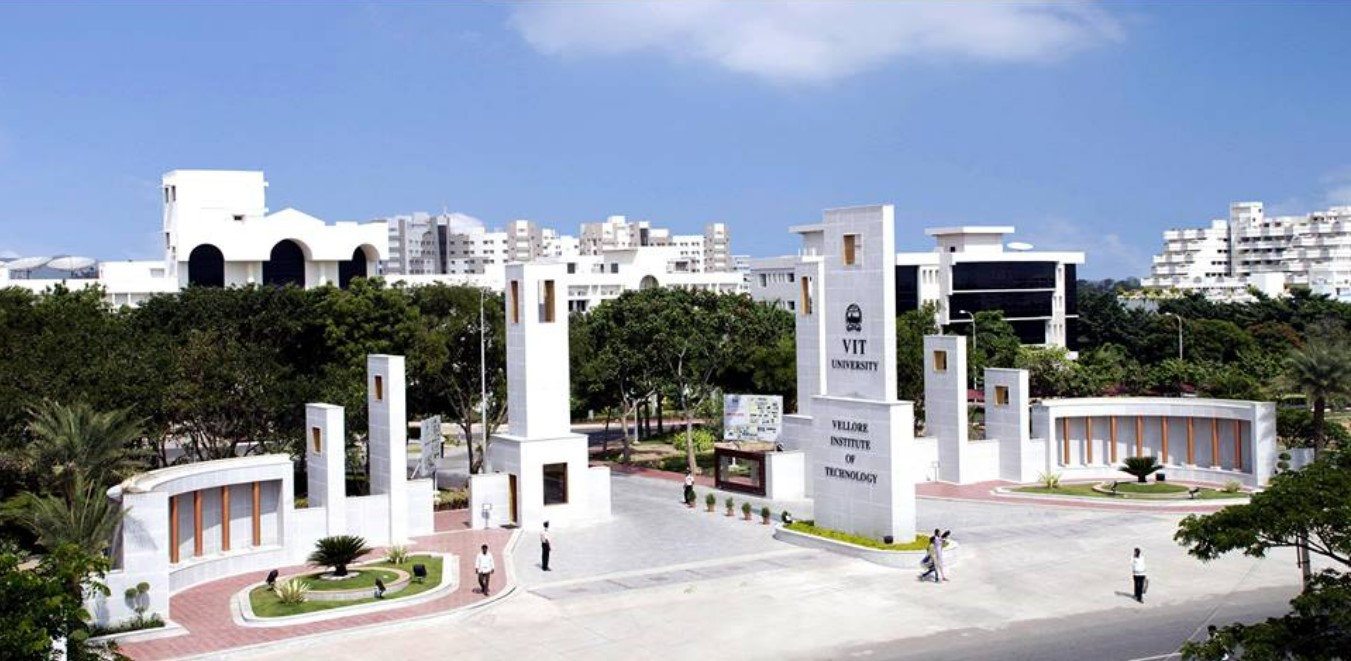
VIT Vellore
Highly ranked private university with MCA specializations in AI, Cybersecurity, and Data Science.
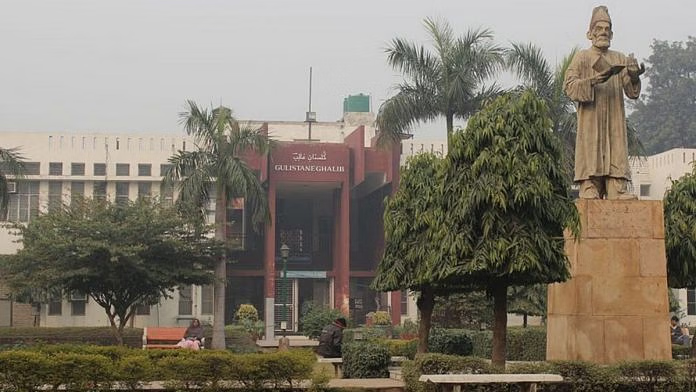
Jamia Millia Islamia, Delhi
Central university offering affordable MCA with strong academic mentorship and placement support.
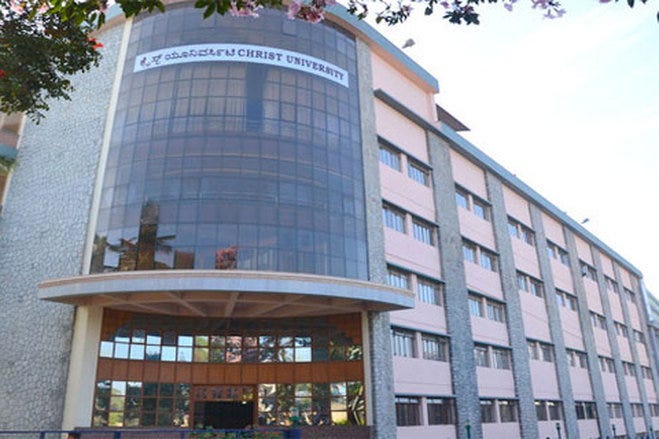
Christ University, Bangalore
Premier institute offering advanced MCA curriculum with practical exposure and real-time projects.
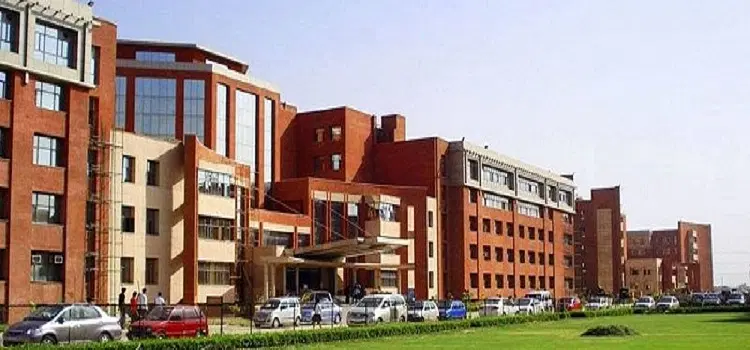
Amity University, Noida
Private university offering MCA with modern tools and specialization in cloud computing and blockchain.

SRM Institute of Science and Technology
Reputed private institution with MCA programs focused on full stack development and analytics.
Selection Criteria for Featured Colleges
Academic Reputation
University ranking, MCA curriculum depth, faculty expertise, and research output
Recruitment & Internship
Campus placement stats, summer internships, and skill-based hiring partners
Technology & Labs
AI/ML labs, programming labs, cloud platforms, and access to industry-standard software
Corporate Connect
Tie-ups with tech companies, certification courses, tech talks, and innovation cells
Financial Value
Return on investment, merit scholarships, and ease of loan accessibility
Alumni Impact
Strong alumni base in MNCs, startups, and public sector organizations
Frequently Asked Questions
Here are detailed answers to the most commonly asked questions about the MCA program, covering admissions, career opportunities, salary potential, and global relevance.
Is MCA better than M.Tech or MBA for IT careers?
MCA is ideal for students who want to specialize in software development, programming, and application-level IT roles. M.Tech is more research/engineering-oriented, while MBA is best for managerial paths.
Summary:
- MCA: Coding, development, software roles
- M.Tech: Research, technical depth
- MBA: Management, strategy, consulting
What entrance exams are required for MCA?
Most top MCA colleges admit students based on entrance exams like:
- NIMCET: For NITs
- CUET PG: For central universities like BHU, JMI
- TANCET: For colleges in Tamil Nadu
- MAH MCA CET: For Maharashtra
- IPU CET, PGCET, JECA: For specific state universities
Some private universities also have their own entrance tests or offer direct admission based on UG performance.
What are the job roles after MCA?
MCA graduates are eligible for core technical roles in the IT industry.
Top Career Options:
- Software Developer / Backend Engineer
- Full Stack Developer / Web Architect
- Data Scientist / Analyst
- Cloud Engineer / DevOps Specialist
- Cybersecurity Analyst / Penetration Tester
- AI/ML Engineer
Top Recruiters: TCS, Infosys, Amazon, Accenture, Oracle, Wipro, Zoho, Microsoft
What is the average salary after MCA?
Salary after MCA varies by specialization, skills, and college reputation.
- Freshers: ₹4–10 LPA (top colleges may offer ₹12+ LPA)
- Product Companies: ₹10–20 LPA for skilled developers
- Mid-Career: ₹15–30 LPA (5+ years of experience)
Specializations in Data Science, Cloud, AI/ML, and DevOps usually attract higher packages.
Is MCA valid abroad for further studies or jobs?
Yes, MCA is recognized in many countries for postgraduate job roles or as eligibility for higher study (like MS or MBA abroad).
Abroad Options:
- USA/Canada: MS in CS/IT, PG Diploma, MBA
- Germany: Public university MS programs (low cost)
- UK/Australia: 1-year Master's in IT/IS
Requirement: Good GPA, IELTS/TOEFL, LORs, GRE (for US)
Can I pursue MCA after B.Sc or B.Com?
Yes, candidates with a bachelor's degree (B.Sc, BCA, B.Com, or BA with Mathematics/Statistics/CS) are eligible for MCA in most universities.
For NIMCET and other central/state exams, candidates must have studied Mathematics at 10+2 or graduation level.
Is online MCA worth it?
Online MCA from UGC-approved universities can be valuable if it includes practical exposure, live classes, and placement support.
Top online MCA programs include:
- Amity Online
- Manipal University Jaipur (Online)
- LPU Online
- IGNOU MCA (Affordable, flexible)
Make sure to verify accreditation and NIRF ranking before enrolling.