
Overview
Master of Technology (M.Tech) is a 2-year postgraduate degree designed for engineering graduates who wish to deepen their technical knowledge and advance in specialized areas of engineering and technology. It is ideal for those aiming for research, higher academic roles, or expert positions in industry.
The M.Tech curriculum combines advanced theoretical concepts with hands-on applications across specializations like Computer Science, Mechanical, Civil, Electronics, Electrical, Artificial Intelligence, and Data Science. Programs often include thesis work, lab modules, and industry projects to foster innovation and practical problem-solving.
M.Tech graduates are in high demand across sectors such as software development, manufacturing, infrastructure, R&D labs, government organizations, and emerging tech companies. The degree also serves as a strong foundation for pursuing a Ph.D. or teaching career in engineering institutions.
Modern M.Tech programs emphasize research orientation, critical thinking, and interdisciplinary learning. With opportunities for internships, assistantships, and industry tie-ups, students graduate with a competitive edge in the job market.
Whether targeting a role in core engineering, academia, or high-tech industries, M.Tech equips students with the technical and analytical skills to lead innovation and development.
Key Highlights
- Duration: 2 years (4 semesters)
- Eligibility: B.E./B.Tech or equivalent (with valid GATE or university entrance score)
- Average Fees: ₹50,000 – ₹3,00,000 per year
- Job Prospects: Design Engineer, Software Engineer, Project Lead, Research Scientist
- Higher Studies: Ph.D., Postdoctoral Research, MBA (Tech)
- Global Recognition: Accepted for doctoral programs and research roles worldwide
- Specializations: CSE, AI & ML, VLSI, Structural Engineering, Robotics, Power Systems
Courses & Specializations
M.Tech offers a broad spectrum of specializations across engineering and technology domains. These advanced programs allow students to gain deep expertise in their chosen field and prepare for high-impact roles in industry, research, or academia.
The curriculum combines core technical subjects with electives, research components, and lab work. Many institutes design the course structure in consultation with industry leaders to ensure graduates are equipped with cutting-edge skills.
Core Engineering
- M.Tech in Computer Science & Engineering
- M.Tech in Mechanical Engineering
- M.Tech in Civil Engineering
- M.Tech in Electrical Engineering
- M.Tech in Electronics & Communication
- M.Tech in Instrumentation
Advanced Technologies
- M.Tech in Artificial Intelligence
- M.Tech in Data Science
- M.Tech in Machine Learning
- M.Tech in Cybersecurity
- M.Tech in Cloud Computing
- M.Tech in Internet of Things (IoT)
Design & Systems
- M.Tech in VLSI Design
- M.Tech in Embedded Systems
- M.Tech in Robotics & Automation
- M.Tech in Structural Engineering
- M.Tech in CAD/CAM
Analytics & Management
- M.Tech in Industrial Engineering
- M.Tech in Engineering Management
- M.Tech in Big Data Analytics
- M.Tech in Bioinformatics
- M.Tech in Environmental Engineering
Emerging Specializations
Modern M.Tech programs also include cutting-edge disciplines aligned with future technologies and global trends:
🧠 AI & Deep Learning
Focuses on neural networks, computer vision, NLP, and intelligent automation in real-world systems.
☁️ Cloud & DevOps
Teaches containerization, CI/CD, cloud platforms (AWS, Azure, GCP), and DevOps tools & workflows.
🧬 Quantum Computing
Introduces quantum mechanics for computation, quantum circuits, and future quantum algorithms.
📈 Blockchain & Web3
Equips students to build decentralized applications, smart contracts, and secure blockchain protocols.
Subjects & Curriculum
The M.Tech curriculum is designed to deepen technical expertise and foster research-driven problem solving. It combines core theory, advanced specialization subjects, lab work, and project-based learning, tailored to each engineering stream or tech domain.
Spread typically over 4 semesters (2 years), the curriculum is a blend of coursework, elective modules, industry-relevant projects, and a major thesis or dissertation in the final year.
Year 1 (Semesters 1-2)
Advanced Core & Electives
- Advanced Algorithms & Data Structures
- Research Methodology & Technical Writing
- Core Specialization Subject I & II
- Program Elective I (e.g., AI, Embedded Systems, Structural Design)
- Professional Communication / Seminar
- Lab Work & Case-Based Assignments
Year 2 (Semesters 3-4)
Research & Industry Integration
- Program Elective II & III
- Open Elective (cross-disciplinary subject)
- Dissertation Phase I – Literature Review & Proposal
- Major Industry Project / Internship (Optional)
- Dissertation Phase II – Final Thesis Submission
- Viva Voce / Oral Defense
Assessment Methods
M.Tech programs use a mix of theoretical evaluation, research output, and real-world project execution to assess students:
Term Exams (30–40%)
In-depth assessments on advanced theoretical and applied concepts
Lab Work & Tutorials (25%)
Hands-on problem solving, simulations, modeling, and experimentation
Seminar & Coursework (15%)
Seminars, reviews, technical writing, and minor projects
Thesis/Dissertation (20–30%)
Original research work evaluated by internal and external examiners
Career Opportunities
M.Tech graduates are highly valued in both industry and academia for their advanced technical skills and specialization. The degree opens doors to leadership roles, high-end R&D, and domain-specific jobs across engineering, IT, analytics, and innovation sectors.
Depending on the chosen specialization (e.g., CSE, Mechanical, ECE, Civil, Data Science, AI), M.Tech holders can target roles in core companies, product firms, MNCs, PSUs, or pursue entrepreneurship and higher academic research (Ph.D.).
Many M.Tech graduates also secure prestigious positions in government bodies, defense R&D organizations, and global tech firms owing to their technical depth and innovation potential.
Core Engineering & R&D Roles
- R&D Engineer – ₹8–20 LPA (ISRO, DRDO, Tata Elxsi, Bosch)
- Design Engineer / CAD Expert – ₹6–15 LPA (Automobile, Civil, Aerospace)
- Embedded Systems Engineer – ₹7–16 LPA (Electronics, IoT, Robotics)
- Process Engineer – ₹5–12 LPA (Manufacturing, Chemical, Energy)
Software & Tech Roles
- Software Architect – ₹10–25 LPA (Tech product firms)
- Data Scientist / AI Specialist – ₹10–30 LPA (Analytics, FinTech, HealthTech)
- Cloud / DevOps Engineer – ₹8–18 LPA (AWS, Azure, GCP roles)
- Cybersecurity Consultant – ₹9–20 LPA (Banks, security firms)
Academic & Research Careers
- Assistant Professor – ₹6–10 LPA (Universities, colleges)
- Ph.D. Scholar / Research Associate – ₹5–12 LPA (IITs, IISc, NITs, global unis)
- Technical Author / Research Analyst – ₹4–8 LPA (Journals, think tanks)
Public Sector & Government Jobs
- Scientist/Engineer – SC/SD – ₹7–15 LPA (ISRO, BARC, DRDO)
- PSU Technical Officer – ₹6–12 LPA (BEL, ONGC, BHEL, GAIL via GATE)
- NIC / MEITY Engineer – ₹7–10 LPA (National Informatics Centre, Govt. IT)
Consulting & Corporate Tech
- Technology Consultant – ₹8–18 LPA (Deloitte, PwC, EY, KPMG)
- Product Manager (Tech) – ₹12–25 LPA (SaaS, E-commerce, FinTech)
- Systems Architect – ₹12–22 LPA (Enterprise IT, Cloud Infra)
Entrepreneurship & Innovation
- Startup Founder – Variable (Deep-tech, SaaS, AI, IoT ventures)
- Tech Consultant / Freelancer – ₹6–15 LPA+ (Independent projects)
- Patent Analyst / Innovation Coach – ₹5–10 LPA (IP firms, accelerators)
Admission Process
Admission to M.Tech programs in India is primarily based on national-level entrance exams like GATE, with some universities also conducting their own entrance tests or offering merit-based/direct admission. Understanding the process, eligibility, and deadlines is essential for successful enrollment.
The admission cycle typically starts in February–March with GATE results, and counseling/admission rounds continue through July–August. Academic sessions begin between August and September in most universities.
Eligibility Criteria
To apply for M.Tech, candidates generally need to fulfill the following:
- Educational Qualification: B.E./B.Tech or equivalent in a relevant stream
- Minimum Marks: 55%–60% aggregate (relaxation for reserved categories)
- GATE Score: Required for admission to IITs, NITs, IIITs, and top universities
- Age Limit: No upper age limit (varies for some government institutions)
- Work Experience: Preferred but not mandatory (for part-time or executive M.Tech)
Types of Admission
GATE-Based Admission
Through GATE score and centralized counseling (CCMT for NITs, COAP for IITs).
Institute-Level Entrance
Some universities conduct their own exams (e.g., VITMEE, BITS HD, SRMGEET).
Direct Admission / Sponsored
Private universities offer merit/sponsorship-based seats without GATE.
Application Process
Follow these general steps for M.Tech admission:
- Check Eligibility: Review qualification, stream, and score requirements
- Apply Online: Register on GATE portal or institute’s official website
- Submit Application: Fill forms and upload necessary documents
- Entrance Exam: Appear for GATE or institute-specific test
- Counseling: Participate in CCMT, COAP, or university-level counseling
- Seat Allotment: Accept offer and download admission letter
- Fee Payment: Pay tuition fee to confirm seat
- Document Verification: Submit originals at the campus during admission
Required Documents
- B.E./B.Tech Degree Certificate & Marksheets
- GATE Scorecard (if applicable)
- Category/EWS Certificate (if applicable)
- Identity Proof (Aadhar, PAN, Passport)
- Transfer & Migration Certificate
- Passport-size Photos
- Work Experience Letter (for sponsored seats)
Important Dates & Timeline
February - March
GATE result declaration, application window opens
April - May
Institute applications, counseling registrations (COAP/CCMT)
June - July
Seat allotment rounds, admission letters issued
August - September
Final admissions, session starts, orientation programs
Fee Structure
The fee structure for M.Tech programs in India varies based on the type of institution—whether it’s an IIT, NIT, government college, private university, or deemed institution. It's important to consider not just tuition but also associated costs like hostel, lab usage, and certifications.
Financial support is widely available through GATE scholarships, state/federal aid, and education loans. Students pursuing sponsored or part-time M.Tech may have a different fee model.
| Institution Type | Average Annual Fees | Total Course Fee | Additional Costs |
|---|---|---|---|
| IITs/NITs | ₹30,000 – ₹1,50,000 | ₹60,000 – ₹3,00,000 | ₹30,000 – ₹60,000 |
| State Govt Colleges | ₹20,000 – ₹80,000 | ₹40,000 – ₹1,60,000 | ₹25,000 – ₹50,000 |
| Private Universities | ₹80,000 – ₹3,00,000 | ₹1,60,000 – ₹6,00,000 | ₹50,000 – ₹1,00,000 |
| Deemed Universities | ₹1,00,000 – ₹3,50,000 | ₹2,00,000 – ₹7,00,000 | ₹60,000 – ₹1,20,000 |
Detailed Cost Breakdown
Academic Expenses
- Tuition Fees: ₹30,000 – ₹3,00,000 per year
- Lab & Research Tools: ₹10,000 – ₹30,000 per year
- Library & Digital Access: ₹3,000 – ₹8,000 per year
- Exam & Registration Fees: ₹2,000 – ₹10,000 per year
- Books & Journals: ₹5,000 – ₹15,000 per year
Living Expenses
- Hostel/PG: ₹35,000 – ₹1,20,000 per year
- Food & Mess: ₹25,000 – ₹60,000 per year
- Internet & Devices: ₹10,000 – ₹25,000 per year
- Personal Expenses: ₹15,000 – ₹30,000 per year
Financial Aid Options
- GATE Stipend: ₹12,400/month for 2 years (for eligible candidates)
- State/Central Scholarships: ₹20,000 – ₹50,000 per year
- Private Scholarships: Based on merit, need, or category
- Education Loans: Up to ₹10,00,000 with moratorium benefits
Miscellaneous Costs
- Certification Courses: ₹5,000 – ₹20,000 per year
- Conferences & Workshops: ₹3,000 – ₹10,000 per year
- Project Materials & Prototyping: ₹5,000 – ₹15,000
- Placement/Training Fees: ₹2,000 – ₹8,000 per year
Note: Fee ranges are indicative and may vary by branch, specialization, city, and whether you're enrolled in a full-time, part-time, or sponsored program. Always check the official institute prospectus or website.
Course Comparison
Choosing the right postgraduate program is crucial to align with your career aspirations—whether in academia, research, industry, or management. Here's a detailed comparison of M.Tech with other popular PG options to help you decide.
| Course | Duration | Focus Area | Career Scope | Average Salary | Popular After |
|---|---|---|---|---|---|
| M.Tech | 2 years | Engineering & Technology Specializations | R&D, Core Tech, PSU, Academia | ₹6–20 LPA | B.Tech, B.E. |
| MBA (Tech/General) | 2 years | Business, Management, Strategy | Marketing, HR, Consulting, PM | ₹6–25 LPA | Any UG Degree |
| MS (Abroad) | 1.5–2 years | Advanced Technical & Research Skills | Product Firms, Research Labs, Academia | ₹20–50 LPA (post-conversion) | B.Tech, B.E., B.Sc (Engg) |
| M.Sc (CS/IT) | 2 years | Theoretical CS, Algorithms, Applications | Academia, QA, Data, Tech Support | ₹4–12 LPA | B.Sc CS/IT, BCA |
| PG Diploma (AI/DS/IoT) | 1 year | Industry-Oriented Specializations | AI, ML, Cloud, FinTech | ₹5–15 LPA | B.Tech/BCA/B.Sc |
Course Analysis
M.Tech vs MBA
Choose M.Tech if: You aim for a technical career in engineering, research, or public sector units.
Choose MBA if: You’re transitioning into leadership, entrepreneurship, or business roles.
M.Tech vs MS (Abroad)
Choose M.Tech if: You want affordable, GATE-backed postgraduate education with domestic opportunities.
Choose MS if: You seek international exposure, research roles, or a tech career abroad.
M.Tech vs M.Sc
Choose M.Tech if: You're from an engineering background and want practical specialization in applied fields.
Choose M.Sc if: You're from a science background aiming for theoretical depth or teaching/research roles.
M.Tech vs PG Diploma
Choose M.Tech if: You want a full-time degree with academic and research rigor.
Choose PG Diploma if: You're upskilling quickly for job-readiness in niche tech domains like AI, Data Science, or Cloud.
Popular Colleges
India is home to numerous prestigious institutions offering M.Tech programs across various engineering and technology specializations. These colleges provide top-notch research facilities, expert faculty, and strong placement support in core and emerging tech domains.
IIT Bombay
Location: Mumbai, Maharashtra | NIRF Rank: 3 (2023)
Fee Range: ₹25,000 - ₹35,000 per semester
Specializations: AI, Data Science, Electrical, Mechanical, Civil
Notable Features: World-class research, global collaborations, top placements
IIT Madras
Location: Chennai, Tamil Nadu | NIRF Rank: 1 (2023)
Fee Range: ₹20,000 - ₹40,000 per semester
Specializations: Robotics, CS, Structural Engineering, Aerospace
Notable Features: Interdisciplinary research, global alumni network, industry-funded labs
IISc Bangalore
Location: Bangalore, Karnataka | NIRF Rank: 2 (2023)
Fee Range: ₹25,000 - ₹40,000 per semester
Specializations: Data Science, Material Science, Nano-Tech, EE
Notable Features: Cutting-edge R&D, global publications, elite faculty
NIT Trichy
Location: Tiruchirappalli, Tamil Nadu | NIRF Rank: 9 (2023)
Fee Range: ₹35,000 - ₹50,000 per semester
Specializations: VLSI, Structural, Embedded Systems
Notable Features: PSUs recruiting, industry-linked research, top GATE ranks
VIT Vellore
Location: Tamil Nadu | NIRF Rank: 11 (2023)
Fee Range: ₹1,50,000 - ₹2,00,000 per year
Specializations: Data Science, IoT, Cybersecurity, Mechatronics
Notable Features: Industry-backed curriculum, global exposure, good ROI
Amrita Vishwa Vidyapeetham
Location: Coimbatore, Tamil Nadu | NIRF Rank: 15 (2023)
Fee Range: ₹1,20,000 - ₹1,75,000 per year
Specializations: AI, Data Analytics, Wireless, Power Electronics
Notable Features: Strong placement cell, foreign exchange programs, AICTE-funded labs
IIIT Hyderabad
Location: Hyderabad, Telangana
Fee Range: ₹2,00,000 - ₹2,50,000 per year
Specializations: Computer Science, AI & Robotics
Notable Features: Research-heavy M.Tech, top recruiters in AI/ML space
Region-wise Top M.Tech Colleges
North India
- IIT Delhi
- NIT Hamirpur
- Jamia Millia Islamia (Delhi)
- Punjab Engineering College (Chandigarh)
West India
- IIT Bombay
- VNIT Nagpur
- College of Engineering, Pune (COEP)
- DAIICT Gandhinagar
South India
- IISc Bangalore
- IIT Madras
- NIT Trichy
- IIIT Bangalore
East India
- IIT Kharagpur
- NIT Rourkela
- BIT Mesra
- Jadavpur University
Central India
- MANIT Bhopal
- IIITM Gwalior
- Shri G.S. Institute of Technology, Indore
- AITR Indore
North-East India
- NIT Silchar
- NIT Agartala
- Tezpur University
- Assam Engineering College
Top Entrance Exams
To secure admission in leading M.Tech programs across India, aspirants must clear competitive entrance exams that assess engineering fundamentals, analytical skills, and subject expertise. These exams are conducted at national, state, and institute levels.
GATE (Graduate Aptitude Test in Engineering)
Purpose: Admission to M.Tech/ME/PhD programs in IITs, NITs, IIITs, and PSU recruitment
Exam Date: February | Application: September–October (previous year)
Subjects: 29 papers including CSE, ME, ECE, EE, CE, IN, Data Science
Participating Institutes: IITs, NITs, IIITs, IISc, government universities
PGCET (Post Graduate Common Entrance Test)
Purpose: Admission to M.Tech programs in Karnataka private/government colleges
Exam Date: July | Application: May–June
Subjects: Engineering discipline-specific MCQs
Colleges: VTU-affiliated colleges, MS Ramaiah, PES University, etc.
TANCET (Tamil Nadu Common Entrance Test)
Purpose: Admission to M.Tech programs in Tamil Nadu state engineering colleges
Exam Date: March | Application: January–February
Subjects: Engineering Mathematics, Logical Reasoning, Core Subject
Colleges: Anna University, PSG Tech, SSN, CIT, etc.
AP PGECET
Purpose: M.Tech admissions in Andhra Pradesh colleges (non-GATE candidates)
Exam Date: May | Application: March–April
Subjects: Engineering Subject Knowledge
Colleges: JNTU Kakinada, SVU, AU, and affiliated colleges
TS PGECET
Purpose: M.Tech admissions in Telangana colleges (non-GATE candidates)
Exam Date: May–June | Application: March–April
Subjects: Subject-specific MCQs
Colleges: JNTU Hyderabad, OU, and affiliated colleges
VITMEE
Purpose: Admission to M.Tech programs at VIT University (Vellore, Chennai, Bhopal)
Exam Date: April | Application: January–March
Subjects: Technical MCQs + English Communication
Specializations: Data Science, Embedded Systems, AI, IoT
State-Level Entrance Exams
WB PGET
M.Tech admissions in West Bengal engineering colleges
Organizing Body: MAKAUT
OJEE (PG)
Odisha-based entrance for M.Tech, MBA, MCA, etc.
Haryana LEET / HSTES PG
M.Tech admission in Haryana engineering colleges
GUJCET PG / ACPC Gujarat
Centralized M.Tech admission via ACPC for Gujarat students
Preparation Tips
Preparation Strategy
- Use standard GATE prep books like Made Easy, Ace Academy, and NPTEL lectures
- Revise core engineering subjects with focus on numerical problem solving
- Practice GATE PYQs (10 years minimum) and topic-wise tests
- Join online test series and simulate real exam environment regularly
Time Management
- Follow a 90-day, 60-day, and 30-day revision cycle plan
- Allocate 2–3 hours daily for focused subject revision and practice
- Mix theory and problem-solving for long-term retention
- Take full-length mock tests every weekend in last 2 months
Featured Colleges
These premier institutes are known for their excellence in M.Tech education, cutting-edge research, top faculty, industry partnerships, and impressive placement records in specialized engineering domains.
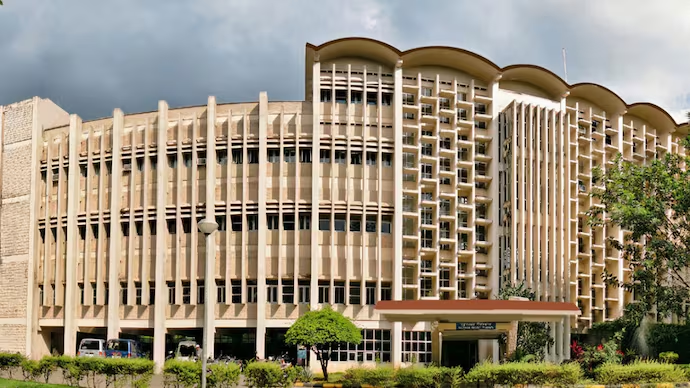
IIT Bombay
One of India's top-ranked IITs for M.Tech with world-class research and industry collaborations.
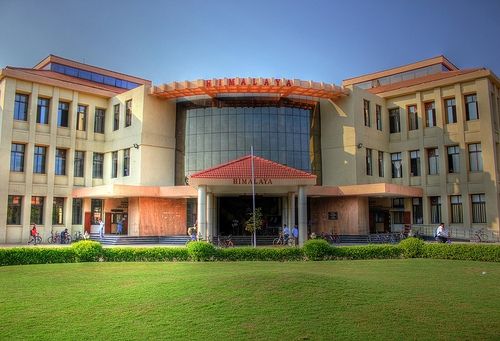
IIT Madras
Leading the NIRF rankings, IITM offers cutting-edge M.Tech programs with global exposure and research excellence.

IISc Bangalore
India’s top institute for advanced engineering research and M.Tech in core and interdisciplinary domains.
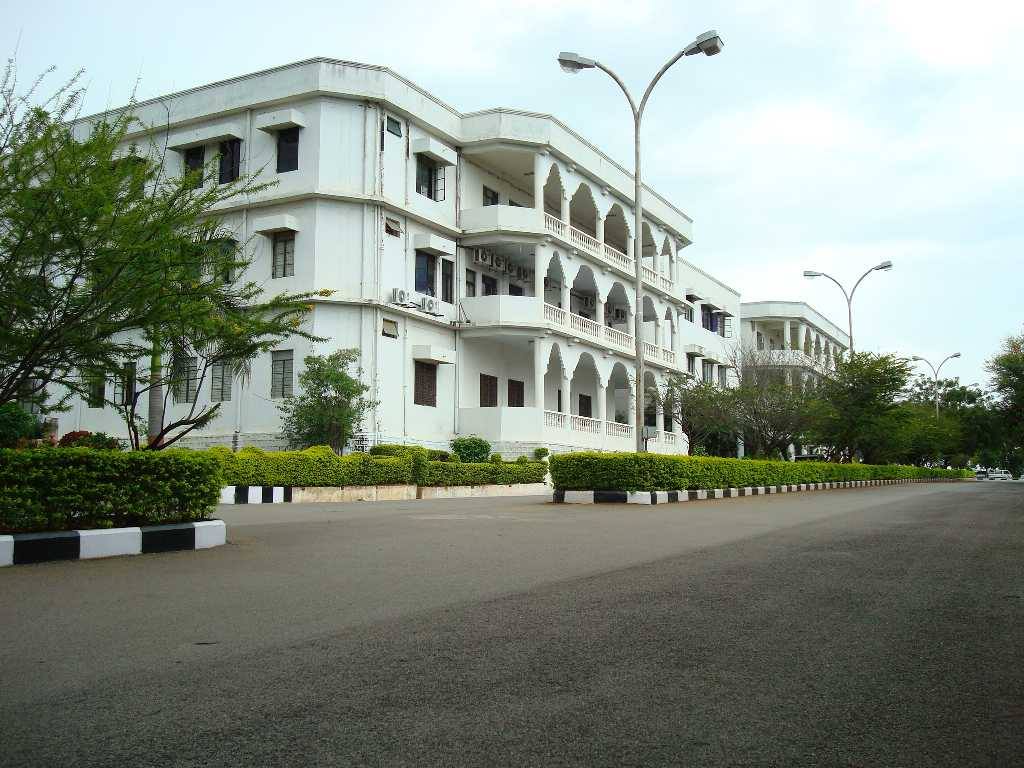
IIIT Hyderabad
Known for AI, ML, and Data Science specializations, IIITH offers one of India’s best M.Tech CS programs.

NIT Trichy
Top NIT offering specialized M.Tech programs in CSE, VLSI, Structural Engineering, and more.
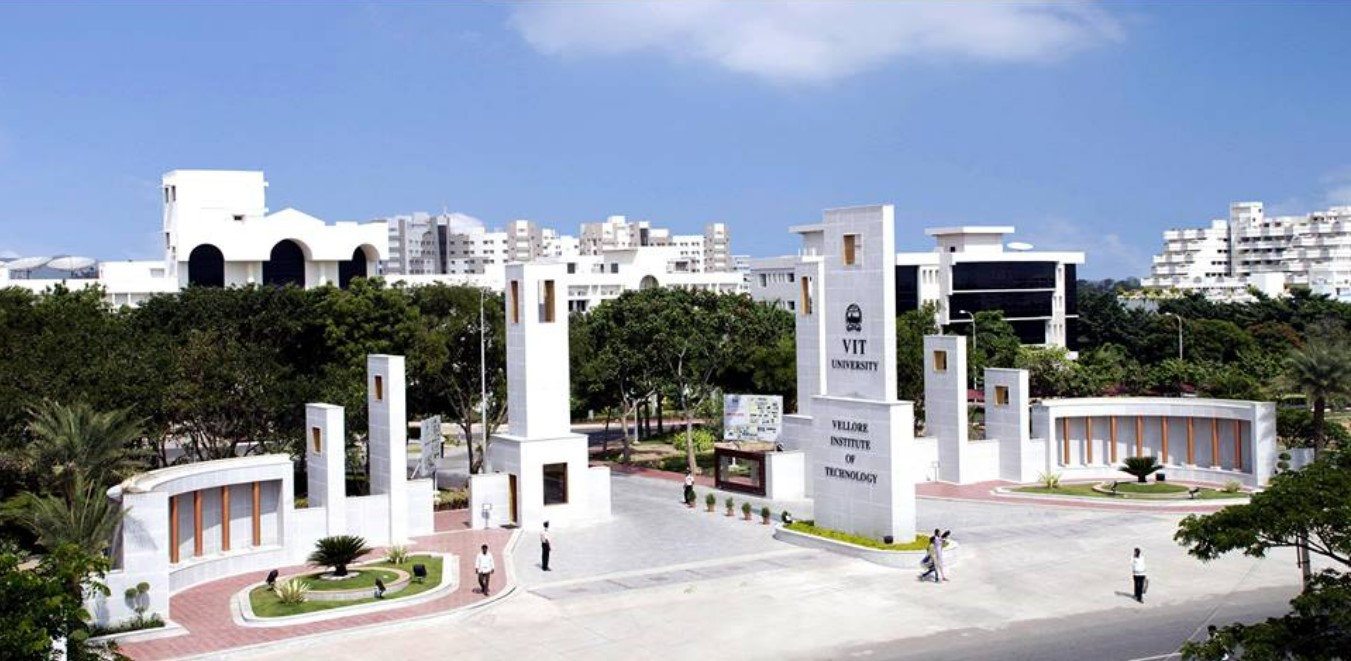
VIT Vellore
Highly ranked private university offering diverse M.Tech specializations with strong placement support.
Selection Criteria for Featured Colleges
GATE Cutoffs
Institute-wise GATE score cutoffs and specialization seat availability
Research & Infrastructure
Research labs, high-end computing systems, funded projects, publications
Faculty & Industry Connect
PhD-holding professors, guest lectures, startup incubation, internships
Placements & ROI
Recruiters, average salary, R&D job roles, and higher study opportunities
Specialization Strength
AI, Robotics, VLSI, Cybersecurity, Data Science, Thermal, Civil, etc.
Global & PSU Opportunities
Foreign exchange, PSU job offers, international PhD admits
Frequently Asked Questions
Here are detailed answers to the most commonly asked questions about the M.Tech program, including eligibility, admissions, placements, GATE preparation, and future prospects.
What is the difference between M.Tech and M.E?
M.Tech (Master of Technology) and M.E (Master of Engineering) are largely similar postgraduate engineering degrees, but the approach differs slightly.
- M.Tech: Application and research-oriented; offered mostly by IITs, NITs
- M.E: More theory-focused; common in state and private universities
- Both are 2-year programs and hold equal value in industry and academics.
Can I pursue M.Tech without a GATE score?
Yes, several private universities and deemed institutions offer M.Tech admissions without GATE.
- Colleges like VIT, SRM, Amity, BITS offer direct admission or their own entrance exams.
- Some states conduct their own PG entrance (e.g., AP PGECET, TANCET).
- However, for IITs, NITs, and top government colleges, GATE is mandatory.
What are the job opportunities after M.Tech?
M.Tech opens doors to specialized roles in R&D, design, core engineering, data science, and academics.
Top Career Paths:
- Software Engineer / Data Scientist / DevOps Engineer
- Design Engineer / R&D Specialist / Embedded Systems Engineer
- Assistant Professor / Research Scholar / Ph.D. aspirant
- Public Sector roles (PSUs via GATE)
Top Recruiters: ISRO, DRDO, Google, Microsoft, TCS R&D, L&T, Bosch, Intel
Is M.Tech worth it after B.Tech?
Yes, if you are passionate about a technical domain, research, or aim for senior technical roles or academia, M.Tech is highly valuable.
- Offers specialization and deep expertise in your chosen field.
- Improves eligibility for PSU jobs and teaching positions.
- Many companies prefer M.Tech candidates for high-end roles.
However, for managerial careers, an MBA might be more suitable.
Which entrance exams are accepted for M.Tech admission?
The most widely accepted exam is GATE (Graduate Aptitude Test in Engineering). Others include:
- VITMEE: VIT University
- SRMJEEE (PG): SRM University
- BITS HD: BITS Pilani
- TANCET: Tamil Nadu PG entrance
- AP PGECET / TS PGECET: Andhra Pradesh & Telangana PG entrance
What is the average salary after M.Tech?
Salaries depend on specialization, college reputation, and role. Here’s a general overview:
- Core Engineering Roles: ₹7–15 LPA (Mechanical, Civil, Electrical)
- Tech & IT Roles: ₹10–25 LPA (CS, AI, Data Science, VLSI)
- R&D / PSU / Govt: ₹9–18 LPA
- Top IITs / IIITs: ₹20–45 LPA (product companies)
Freelancers and PhD aspirants can also earn through research grants and projects.
Can I go abroad after M.Tech in India?
Yes. M.Tech from reputed Indian institutes is recognized worldwide, especially for:
- Ph.D. applications (USA, Germany, Canada, Australia)
- Tech jobs in multinational companies
- Research fellowships and post-doctoral roles
Some students also go for a second master's abroad to gain industry exposure in global markets.